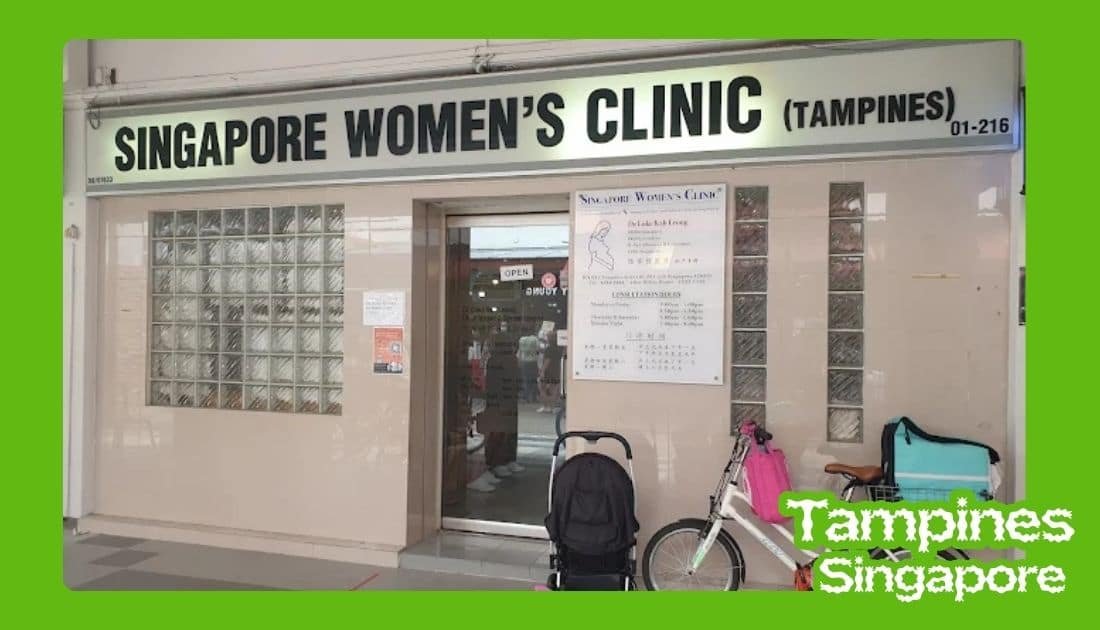
Singapore Women’s Clinic in Tampines is a community-based gynecology practice that supports women through different stages of life, from adolescence to menopause and beyond. Located within a residential neighbourhood, the clinic provides accessible women’s healthcare without the need to travel to major hospitals for routine consultations and follow-ups.
Women visit such clinics for a wide range of reasons, menstrual concerns, family planning, pregnancy-related care, preventive screenings, and general gynecological advice. Having a trusted clinic nearby allows patients to seek timely medical attention in a comfortable, familiar setting. For many, this convenience encourages regular checkups and early consultation when symptoms arise.
Understanding what to expect in terms of consultation fees, services, appointment processes, and privacy practices helps patients feel more prepared and confident before their visit. This guide outlines key information about visiting a women’s clinic in Tampines and the types of care typically available.
Address: 821 Tampines Street 81, #01-216, Singapore 520821
Consultation fees at a private women’s clinic in Tampines typically fall within a moderate range compared to hospital specialist rates, making it a practical option for routine gynecological care.
Typical consultation fee range Initial consultations often cost more than follow-ups due to the time required for medical history review and assessment. Fees may increase if examinations, scans, or tests are required during the visit.
Factors affecting cost The total bill depends on:
Whether an ultrasound, pap smear, or lab test is performed
Medications prescribed
Complexity of the condition discussed
Pregnancy-related monitoring or procedures
Minor in-clinic procedures if needed
Because gynecology frequently involves diagnostics, costs can vary significantly from a simple consult to a more involved visit.
Payment & subsidy expectations (where applicable) Private women’s clinics generally accept cashless payments and medical insurance where supported. Certain screenings or treatments may be claimable under health savings schemes or insurance plans depending on eligibility. Patients are encouraged to ask for a cost estimate before procedures for better financial planning.
Important Things to Know Before Visiting
Preparing before your visit ensures a smoother consultation experience.
Documents to bring
Identification (NRIC/FIN)
Previous medical records or test results (if any)
List of current medications
Insurance or health card details if claiming
Appointment vs walk-in guidance Most women’s clinics operate by appointment to ensure privacy and adequate consultation time. Walk-ins may be accepted but can involve longer waiting times, especially during peak hours.
Waiting time expectations Gynecology consultations can take longer depending on patient needs. Delays may occur if earlier patients require extended care.
Privacy & confidentiality considerations Women’s clinics maintain strict confidentiality. Consultations occur in private rooms, and sensitive information is handled with discretion, helping patients feel safe discussing personal health matters.
Type of Clinic (Women’s Health / Gynecology)
A women’s health or gynecology clinic is dedicated to addressing female-specific medical concerns with the right expertise, privacy, and equipment. Unlike general medical practices, these clinics are purpose-built to support reproductive and hormonal health in a setting designed for comfort and confidentiality. Consultation rooms, examination facilities, and diagnostic tools are arranged to handle intimate assessments sensitively and professionally.
Gynecology clinics commonly manage menstrual irregularities, hormonal imbalances, pelvic pain, vaginal infections, fertility discussions, and menopause-related symptoms. Patients can speak openly about concerns that may feel difficult to raise in a general clinic environment. Many women also visit these clinics for routine screenings and preventive care that are essential for long-term wellbeing.
Such clinics often house facilities for ultrasound imaging, Pap smear testing, HPV screening, and minor gynecological procedures. This reduces the need for hospital referrals for routine diagnostics and allows quicker, more convenient care within the neighbourhood. The focused nature of these clinics ensures that women receive attentive, specialised support tailored to their health needs at every visit.
Role in Supporting Women’s Healthcare Needs
Women’s healthcare needs change significantly across different stages of life, from adolescence to menopause and beyond. A neighbourhood gynecology clinic plays an important role in providing continuous, accessible care throughout these transitions. Establishing regular visits with the same doctor fosters trust, encourages open communication, and enables early detection of potential issues.
These clinics support early education on menstrual health for teenagers and young adults, helping them understand normal cycles and recognise warning signs. They also provide family planning services, contraception advice, and pre-pregnancy counselling for women planning to start families. During pregnancy, gynecology clinics offer monitoring, scans, and maternal care to ensure both mother and baby remain healthy.
Preventive screenings such as Pap smears and breast examinations are emphasised to detect cancer risks early. Later in life, support shifts toward menopause management and hormonal balance. Consistent follow-ups and personalised guidance from a familiar healthcare provider greatly improve long-term health outcomes and overall wellbeing for women.
Women’s Health Services Offered
Women’s clinics in Tampines typically provide comprehensive gynecological and reproductive healthcare, covering routine consultations, diagnostic checks, preventive screenings, and structured follow-up care. These clinics are designed to support women through different life stages with services delivered in a private, respectful setting. From addressing menstrual concerns to conducting cancer screenings and pregnancy monitoring, the focus is on early detection, personalised advice, and continuity of care. Having these services available within the neighbourhood makes it easier for women to seek timely medical attention and maintain consistent health reviews without needing frequent hospital visits.
General Gynecology Consultations
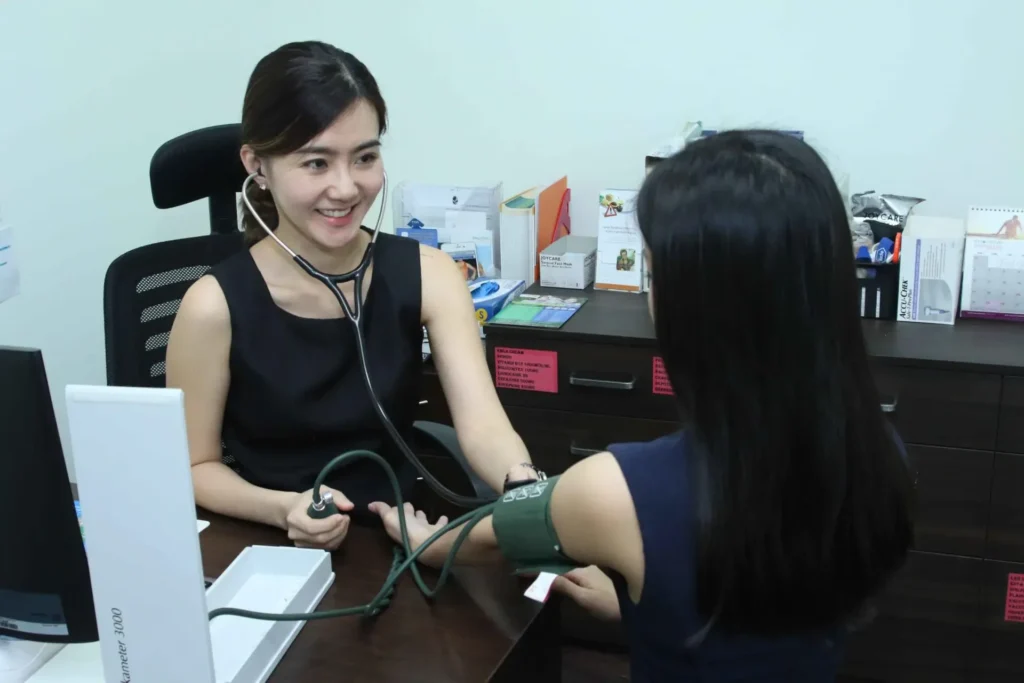
General gynecology consultations focus on diagnosing and managing common female health concerns such as menstrual irregularities, abnormal bleeding, pelvic discomfort, vaginal infections, and hormonal imbalances. During these visits, doctors take time to understand symptoms, medical history, and lifestyle factors that may contribute to the condition. Physical examinations are conducted when necessary, and in many clinics, ultrasound scans can be performed on-site to identify underlying issues such as cysts, fibroids, or uterine abnormalities.
These consultations also provide an opportunity for patients to discuss sensitive symptoms in a confidential environment. Doctors often offer practical guidance on diet, exercise, stress management, and symptom relief tailored to each individual’s condition. Follow-up appointments may be scheduled to monitor progress or adjust treatment plans. By addressing issues early through proper assessment and timely diagnosis, women can avoid complications and maintain better long-term reproductive health.
Reproductive & Women’s Health Care
Reproductive healthcare services form a key part of women’s clinics in Tampines. These include contraception counselling, fertility discussions, pregnancy testing, antenatal monitoring, and postnatal follow-ups. Women planning families can receive advice on preparing their bodies for pregnancy, tracking ovulation, and managing pre-existing conditions that may affect fertility.
Clinics also support those experiencing irregular cycles or difficulty conceiving by offering guidance, initial assessments, and referrals where needed. During pregnancy, antenatal checkups, scans, and maternal monitoring help ensure both mother and baby remain healthy throughout each trimester. After childbirth, postnatal visits address recovery, hormonal changes, and breastfeeding concerns.
All services are provided in a supportive and confidential setting, allowing patients to ask questions and make informed decisions about their reproductive health. This continuity of care builds confidence and ensures women receive consistent medical attention during important life stages.
Preventive Screenings & Follow-ups
Preventive screenings are essential for early detection of cervical and reproductive health issues. Women’s clinics commonly offer Pap smear tests, HPV screenings, and breast examinations as part of routine preventive care. These tests help identify abnormalities before symptoms appear, allowing for early intervention and better treatment outcomes.
Doctors may recommend screening intervals based on age, medical history, and individual risk factors. Women above certain age groups or those with a family history of reproductive cancers are encouraged to attend regular screenings. Clinics also monitor previously diagnosed conditions such as fibroids, cysts, or hormonal disorders through scheduled follow-ups.
Consistent screening and monitoring help detect changes early and prevent minor issues from developing into serious conditions. Patients receive reminders and personalised advice to stay on track with their health checks, promoting long-term wellbeing through proactive care.
Referral-Based or Specialist Services
When advanced imaging, surgical procedures, or hospital-based treatment is required, women’s clinics provide referrals to trusted partner hospitals or medical specialists. This ensures patients receive appropriate care for more complex conditions while maintaining continuity with their primary gynecologist. Referral pathways are clearly explained, and medical records are shared to support smooth transitions. After specialist treatment, patients often return to the clinic for follow-up monitoring and ongoing support, ensuring coordinated and comprehensive care throughout their treatment journey.
Sensitive Services
Women’s clinics are experienced in managing sensitive health matters such as reproductive concerns, intimate infections, pregnancy-related issues, and hormonal conditions with a high level of professionalism and discretion. These topics can feel personal or difficult to discuss, which is why the clinic environment is designed to prioritise privacy, dignity, and emotional comfort.
Consultations are conducted in a respectful, non-judgmental manner, allowing patients to speak openly about their symptoms and concerns. Doctors provide clear explanations before any examination or procedure, ensuring informed consent at every step. Patients are encouraged to ask questions and express preferences regarding their care.
This supportive approach helps build trust between patients and healthcare providers. By creating a safe space for open communication, women’s clinics ensure that sensitive health issues are addressed promptly, accurately, and with the empathy needed for effective care.
How to get
To get to Singapore Women’s Clinic in Tampines, located at 821 Tampines Street 81, #01-216, Singapore 520821, you have several convenient options. By MRT, take the East–West Line to Tampines MRT (EW2/DT32) or the Downtown Line to Tampines East (DT33), then transfer to a short bus ride or taxi to reach the clinic. Several bus services stop near Tampines Street 81, making it accessible from surrounding neighbourhoods. If driving, enter the clinic address into your GPS; nearby street parking is available for private vehicles. For pedestrians, sheltered walkways from nearby HDB blocks and bus stops allow easy access, even during rain. Calling the clinic ahead can also help confirm the best route, especially if you are bringing a companion or require assistance, ensuring you arrive safely and on time for appointments or consultations.
Frequently Asked Questions
Where is Singapore Women’s Clinic Tampines located?
It is located within the Tampines residential area, making it easily accessible to nearby residents.
What are the opening hours of Singapore Women’s Clinic Tampines?
Operating hours vary by day. Patients are advised to check directly with the clinic before visiting.
How much is consultation at Singapore Women’s Clinic Tampines?
Consultation fees vary depending on whether tests, scans, or procedures are required during the visit.
Is Singapore Women’s Clinic Tampines located at Tampines Street 81?
Yes, the clinic is situated along Tampines Street 81 within a neighbourhood medical cluster.
Does Singapore Women’s Clinic Tampines accept walk-in patients?
Appointments are preferred, though walk-ins may be accommodated depending on availability.
Conclusion
Singapore Women’s Clinic in Tampines offers accessible, specialised gynecological care for women seeking professional support close to home. From routine consultations and preventive screenings to reproductive health and pregnancy-related care, the clinic plays an important role in supporting women’s wellbeing at every life stage.
Understanding consultation costs, appointment processes, and the scope of services helps patients prepare for their visit with confidence. The emphasis on privacy, respectful communication, and continuity of care makes neighbourhood women’s clinics a trusted healthcare partner for many residents.
By seeking timely advice and attending regular screenings, women can take proactive steps toward maintaining long-term reproductive and overall health within a supportive clinical environment.