

Tampines Dormitory | My Visit, Facilities, Layout & Rental Info
Tampines Dormitory isn’t the kind of place I’d normally think to write about, but I wanted to understand it beyond the basic address and accommodation listing you find online. I went to see where it’s actually situated, what the surrounding environment is like, how accessible it is, and what everyday facilities and transport options exist around it — with the understanding going in that this is a controlled-access worker accommodation facility, not a public attraction I could simply walk through.
Address: 2 Tampines Pl, Singapore 528821
My First Impression

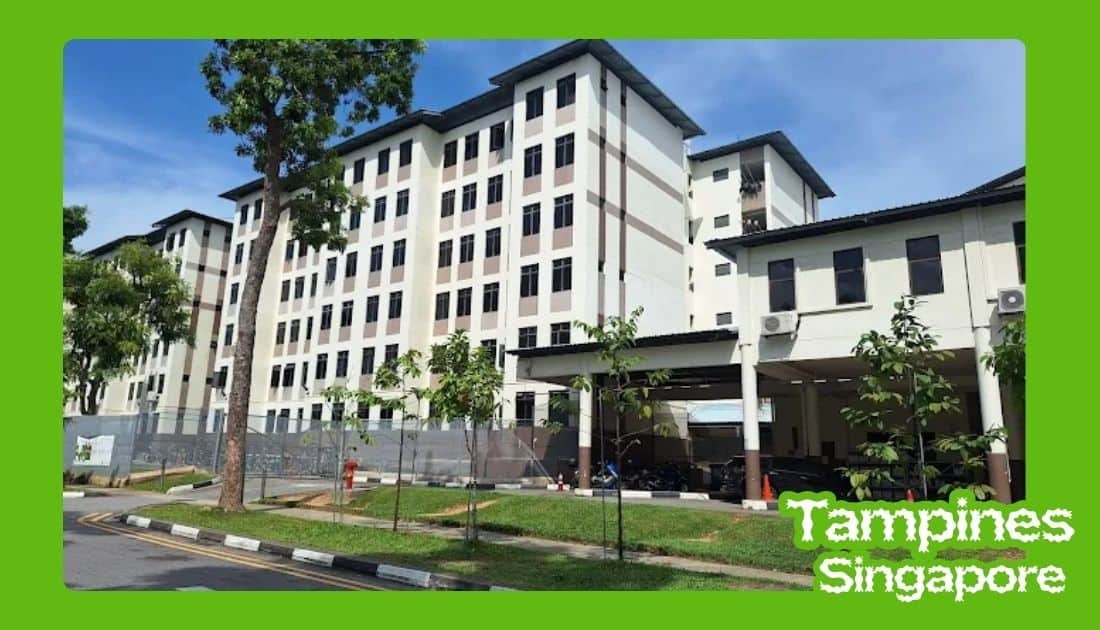
When I arrived, I paid attention to the overall setting and how the facility fits into this part of Tampines. The location has a more functional character than a typical residential development, which makes sense given that the dormitory exists to provide accommodation for workers rather than to attract visitors or residents in the usual sense.
I was particularly interested in the surrounding roads and how easy it would be for residents to leave the dormitory and connect with other parts of Singapore. For someone commuting to work every day, transport access felt like it mattered just as much as the accommodation itself. I also looked at the surrounding commercial and industrial environment, which helped explain why this type of accommodation is positioned where it is — close enough to support workers employed in nearby industrial or logistics areas.
Because worker dormitories have controlled access, I didn’t treat this as an opportunity to walk freely into residential areas. I focused on what could reasonably be observed from outside and on understanding the wider surroundings, rather than assuming anything about the interior that I hadn’t actually seen.
What I Looked At Around the Dormitory
During my visit, I paid attention to a fairly practical list of things: the main approach to the dormitory, road access around the facility, pedestrian routes, nearby bus connections, parking and vehicle movement, the surrounding commercial and industrial environment, nearby shops and everyday services, general accessibility, and the overall atmosphere around the accommodation. Taken together, these gave me a much clearer picture of the location than simply looking at the address on a map ever could.
What the Dormitory Is For
Seeing the facility in person helped me understand its purpose more clearly. Tampines Dormitory isn’t designed like a conventional condominium or HDB development — its main function is to provide organised accommodation for workers who need somewhere practical to live while working in Singapore.
I looked at it from the perspective of someone who spends most of the day working and returns to the accommodation afterward. From that angle, access to transport, basic services, food, some form of recreation, and a safe place to rest are the things that would actually matter, more than any particular design feature.
Management
I also thought about how important management is in an environment like this. With many residents sharing accommodation and communal facilities, the quality of day-to-day management can affect cleanliness, maintenance, security, and the overall living experience quite directly.
I want to be upfront that I didn’t verify who currently operates or manages the facility, and I’m not going to guess at a specific company name, contact structure, or hotline here, since that’s exactly the kind of detail that changes and needs to come from an official source. If you’re an employer or a prospective resident, the right move is to confirm current management, contact details, and administrative procedures directly rather than relying on anything written in an old blog post, including this one.
Things to Know Before Visiting
One thing I became more conscious of during my visit is that a worker dormitory isn’t the same as an ordinary public attraction or residential building. Visitors should expect controlled access and shouldn’t assume they can simply walk into residential areas. Anyone planning to visit should check the current visitor requirements beforehand and bring appropriate identification if requested. This is really the main thing I’d want someone to know before showing up — the outside environment can be explored, but the private residential areas inside are a different matter entirely.
Rental Information
I looked at rental information from the perspective of understanding how accommodation at a worker dormitory normally works, rather than treating it like a conventional apartment rental. The main things worth clarifying with management or an employer are whether beds or rooms are currently available, what the current rate is, what’s included, and what the tenancy arrangement actually requires.
I’d avoid relying on any rental figure you find online, including on this site, since worker accommodation pricing and availability can shift based on demand, occupancy, and the specific arrangement an employer has in place. Room configuration, number of occupants, facilities included, tenancy period, and payment arrangements are all things I’d confirm directly before treating any figure as current. In many cases, the arrangement involves accommodation for multiple workers under a single employer agreement rather than one person renting an individual unit — which is a meaningfully different process from a normal residential lease.
Who Can Stay Here
This is another area where I’d avoid treating the dormitory like a normal residential rental. Worker dormitories are intended for eligible workers under Singapore’s accommodation regulations, and arrangements are commonly linked to employers rather than individuals applying directly. Anyone looking into staying here should confirm the current eligibility requirements and registration process rather than assume it works like renting a flat on the open market.
Rules and Agreements
The shared nature of the accommodation makes basic rules particularly important. I’d expect residents to follow requirements around cleanliness, noise, visitor access, safety, room occupancy, and use of communal facilities. These aren’t just formalities — when a large number of people share the same accommodation, having clear expectations helps keep the environment liveable for everyone.
Layout and Facilities

I was interested in the overall layout because worker accommodation needs to combine private sleeping areas with shared facilities. From what I could observe from the areas I had access to, the development is arranged around practical movement between accommodation blocks and shared or service facilities — but I want to be clear about the distinction between what I personally saw and what would need to be confirmed with management.
A generic floor plan won’t necessarily represent every current room or block, so if you’re considering accommodation here, I’d ask management directly for the most recent information on room configuration, shared bathrooms, common areas, and access arrangements rather than relying on any floor plan you find online.
Communal Kitchens and Dining Areas

Shared food facilities matter a lot in worker accommodation, since residents often have different working schedules and meal routines. The things I’d want to know before relying on this are whether food is catered, whether cooking facilities are actually available, what equipment residents can use, and what the current rules around them are. These details can make a real difference to someone staying here for an extended period, so they’re worth confirming rather than assuming.
Convenience Kiosks
Having basic necessities close to where people live matters, especially for residents returning from work late. A small on-site kiosk for snacks, drinks, toiletries, and everyday items would be a genuine convenience if one exists — but I’d check current operating hours and available services directly rather than assume they’re fixed, since these things do change.
Outdoor Seating Areas
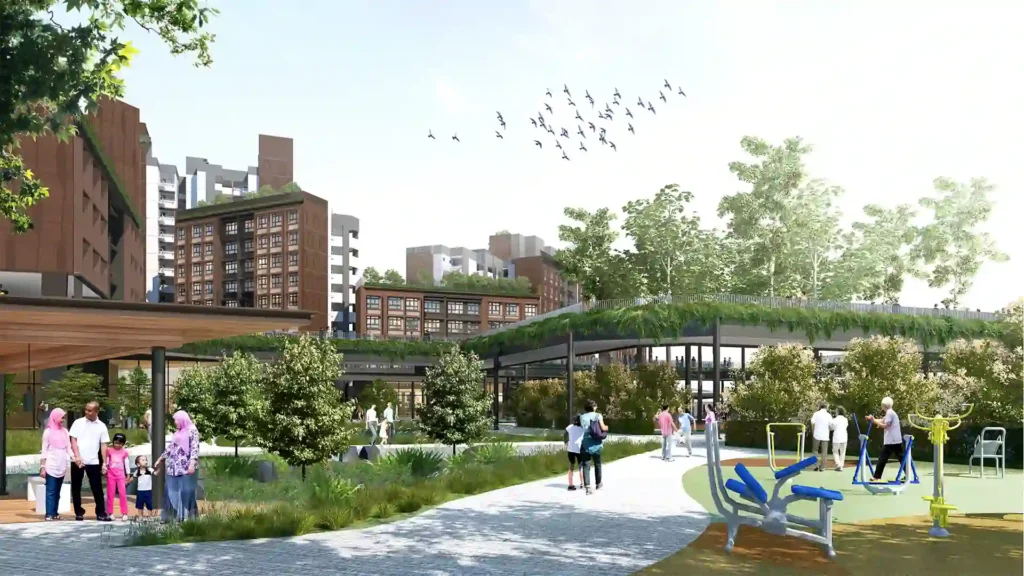
Outdoor space is something I’d personally value in a shared accommodation setting like this. Having somewhere to sit outside a room gives residents a chance to relax, talk with others, or just get some air after a shift. During my visit, I paid attention to the general open areas around the facility and how residents might realistically use them, though I’d treat the specifics of what’s available as something to confirm on site rather than assume.
Television and Recreation Areas
Shared recreation space can make a big difference to how a dormitory feels after working hours — somewhere to watch television, follow sports, or just spend time outside a room. I wouldn’t assume specific facilities exist without confirming with management, but it’s the kind of thing worth asking about if you’re weighing up accommodation options.
Prayer or Quiet Spaces

For a diverse worker population, having some kind of dedicated quiet or religious space can matter. I’d consider this a genuinely useful thing to have, but again, the exact facilities available should be confirmed with current dormitory management rather than assumed from general descriptions of worker dormitories elsewhere.
Sports and Fitness Facilities
After a long working day, access to any kind of sports court or fitness area can give residents a way to exercise and socialise without needing to travel elsewhere. I’d check which facilities actually exist, their operating hours, and whether registration is needed before using them, rather than take availability for granted.
Safety and Emergency Facilities
Safety is something I took seriously given the size and shared nature of this kind of accommodation. I paid attention to the controlled-access nature of the facility and the general organisation around the entrance from what was visible. For anything specific — fire exits, evacuation procedures, security systems — I’d rely on the dormitory’s own current official information rather than make assumptions based only on what’s visible from outside the gate.
Room Facilities

I didn’t treat information about private rooms as something I’d personally inspected, since I wasn’t able to enter residential areas during this visit. For anyone considering accommodation here, the practical thing to ask about is the exact number of occupants per room, beds, lockers, ventilation or air-conditioning, electrical points, bathroom arrangements, and what furniture is actually provided. Those details vary and are worth confirming directly before agreeing to anything.
Transport and Accessibility
Transport was one of the main things I considered during my visit. I wanted to understand how someone living here would actually get to work, nearby shops, and transport interchanges. The surrounding road network matters because many workers have early starts, late finishes, or employer-arranged transport, so the practical commute can end up being just as important as the accommodation itself.
I paid attention to the nearby bus connections and the general routes available around the area, but I’d recommend checking the latest public transport information directly rather than relying on specific bus numbers from an older article, since routes and stop arrangements do change over time. For residents, the more useful question is which route offers the easiest connection between the dormitory, the nearest MRT stations, and everyday destinations — not memorising a fixed list that might be outdated.
Nearby Points of Interest
I also looked at the wider area to understand what residents could access during their time off. Places like IKEA Tampines and Tampines Retail Park are useful reference points for the surrounding area, though actual travel time depends on the transport method and traffic conditions on the day. This wider context helped me see that the dormitory isn’t completely disconnected from the rest of Tampines — there are everyday retail and food options within reach, even if the immediate surroundings feel more industrial than residential.
Parking
Parking was another practical detail worth noting. Because worker dormitories may involve employer vans, buses, and service vehicles, vehicle movement here can look quite different from an ordinary residential development. I’d check with management regarding visitor parking, employer vehicle arrangements, and any restrictions before planning to arrive by car.
FAQs
Can visitors enter Tampines Dormitory?
Access is controlled. Prior approval, identification, and compliance with visiting hours are generally required — check current requirements before planning a visit.
Are rental units available at Tampines Dormitory?
Availability depends on current occupancy levels and employer agreements. This isn’t something to rely on an older article for — confirm directly with management or the relevant employer.
How do I find out about current management or rental rates?
Contact the dormitory’s administrative office directly, or go through your employer if accommodation is being arranged through work. Rental pricing and availability shift with demand and occupancy, so treat any figure you find online as indicative at best.
What’s nearby for everyday needs?
IKEA Tampines and Tampines Retail Park are useful reference points, along with general retail and food options in the wider Tampines area, though actual travel time will depend on your transport method.
My Final Thoughts
My visit gave me a much clearer understanding of Tampines Dormitory as a functional worker accommodation facility, rather than just another address in Tampines. What stood out to me most was the importance of looking at the location from a worker’s everyday perspective — transport, access to basic necessities, surrounding roads, and the general organisation of shared spaces all shape the overall living experience far more than any single facility does.
I also came away more aware that a lot of information about a place like this shouldn’t be assumed from generic descriptions. Current rental rates, room availability, management contacts, visitor access rules, internal facilities, and room configurations should all be confirmed directly, because they can and do change. If you’re considering accommodation here — whether as an employer or a worker — I’d treat this article as a starting point for understanding the surroundings, not as a substitute for checking current details with the relevant management or employer directly.