

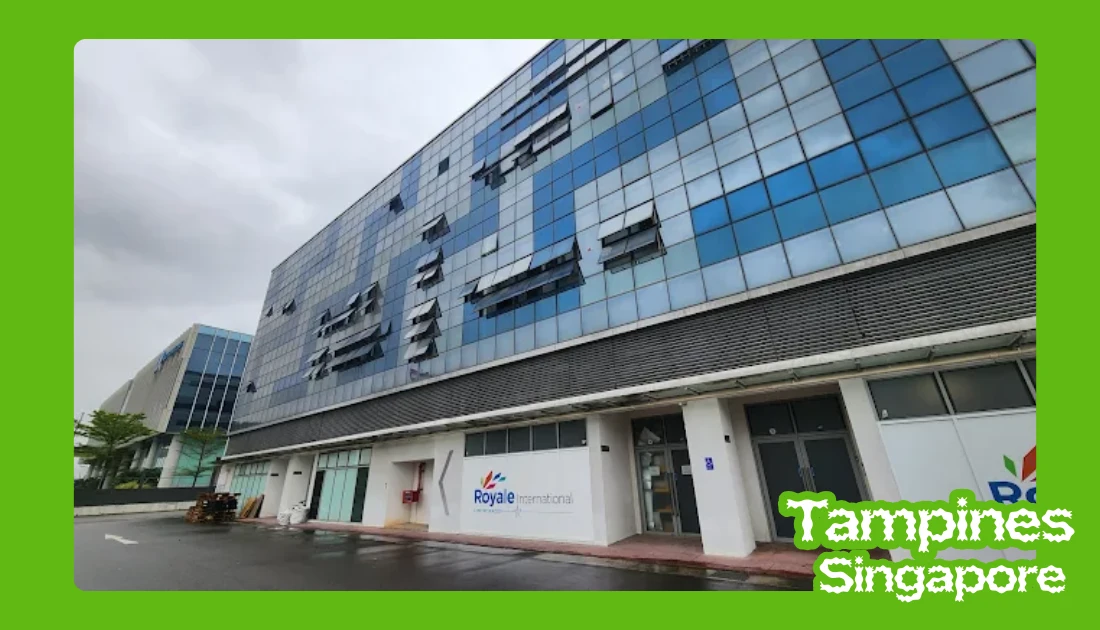
Space Tampines | What I Found About Offices & Co-Working
When I first started looking into the different types of spaces available around Tampines, I realised that Space Tampines can be a slightly confusing term. I wouldn’t think of it as one single building or one specific type of property. Instead, I see it as a useful way to understand the different places in and around Tampines where people can work, store business goods, run operations, hold events, or manage day to day business activities.
That distinction matters because someone searching for a workspace may have completely different requirements from someone looking for a warehouse, storage unit, event venue, or industrial unit. I would always start by deciding what I actually need the space for before comparing individual properties.
- Address: 18 Tampines Industrial Cres, Singapore 528605
- Open now 24 Hours
- Phone: +65 6578 9966
What Space Tampines Actually Covers
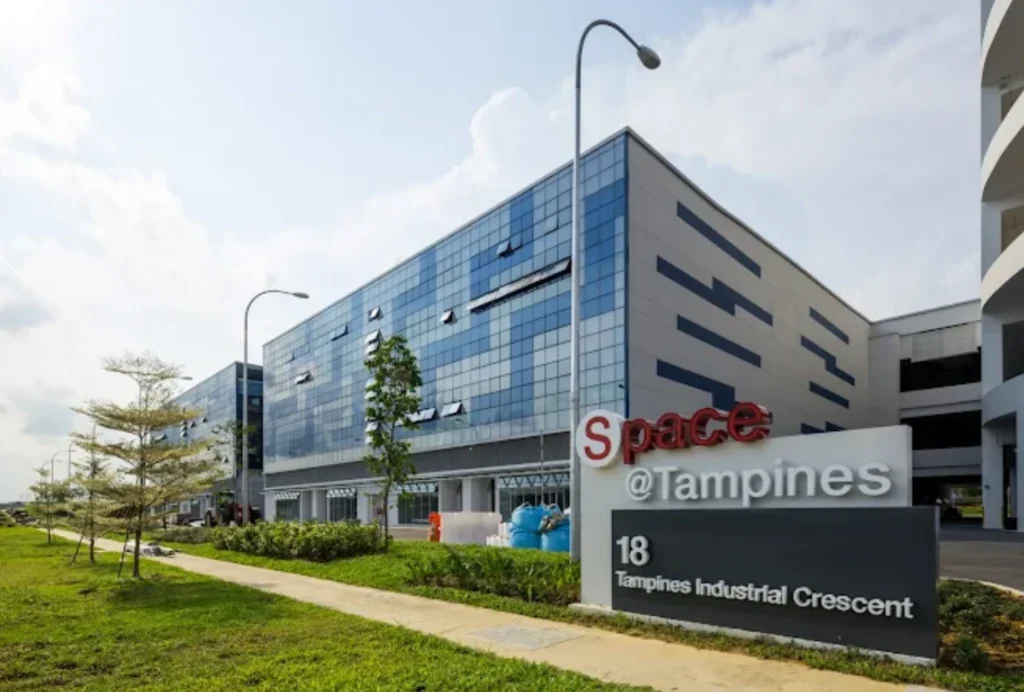
Space Tampines encompasses commercial, industrial, storage, and event related properties within the Tampines district, designed to support SMEs, startups, logistics operators, and community groups through flexible leasing models. The rise of hybrid work and decentralised offices has pushed up demand for co working solutions here, with businesses increasingly wanting scalable units that reduce long term financial commitments while keeping operations efficient.
Tampines stands out because of its strong transport connectivity, proximity to Changi Airport, and integrated retail and residential developments, which together make it a practical alternative to a central business district location for many types of businesses.
Tampines as a Business Hub
Tampines is recognised as a regional commercial centre with office towers, retail malls, and industrial parks, attracting technology firms, logistics providers, and service based enterprises. Its infrastructure supports the large workforce populations living in nearby estates such as Pasir Ris and Simei, which creates steady demand for both office space and storage facilities in the area.
Why I Wouldn’t Choose a Space Based on Size Alone
One thing I think is easy to overlook is that the largest or most affordable looking unit isn’t necessarily the most practical one. For an office, I’d think about how many people need to use the space every day, whether clients will visit, how much meeting space is genuinely required, and whether the team might grow. For storage, I’d look at access, loading arrangements, security, ceiling height, and how often I actually need to retrieve items.
For an e-commerce business specifically, the relationship between workspace and storage could matter more than having a traditional office at all. A small team might need desks, packing space, inventory storage, and convenient delivery access rather than a conventional office layout, so the right space really depends on how the business actually operates day to day.
Co Working Space Tampines Options
Co working space in Tampines caters to freelancers, startups, and SMEs needing flexible desk arrangements, typically offering hot desks, dedicated desks, and private office suites. Shared amenities often include meeting rooms, high speed internet, printing services, and communal lounges, which help reduce overhead costs and support a more collaborative work environment. Short term memberships let businesses scale without long term commitments, making this option particularly attractive for dynamic or growing teams.
T-Space Tampines
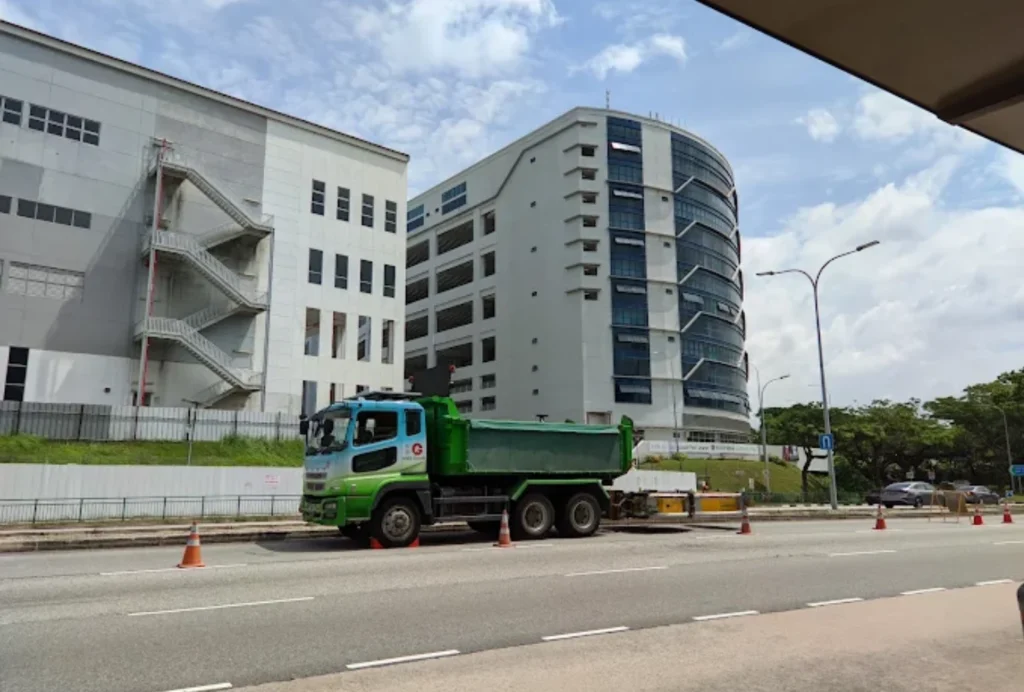
T-Space is one prominent development designed to integrate office, light industrial, and storage functions within configurable units that support hybrid operational models. It appeals to creative studios, e-commerce operators, and small manufacturers who need adaptable floor layouts that accommodate both administrative and operational workflows. On site facilities often include parking, security systems, and nearby food outlets, adding convenience for tenants and visitors alike.
JTC Space Tampines North
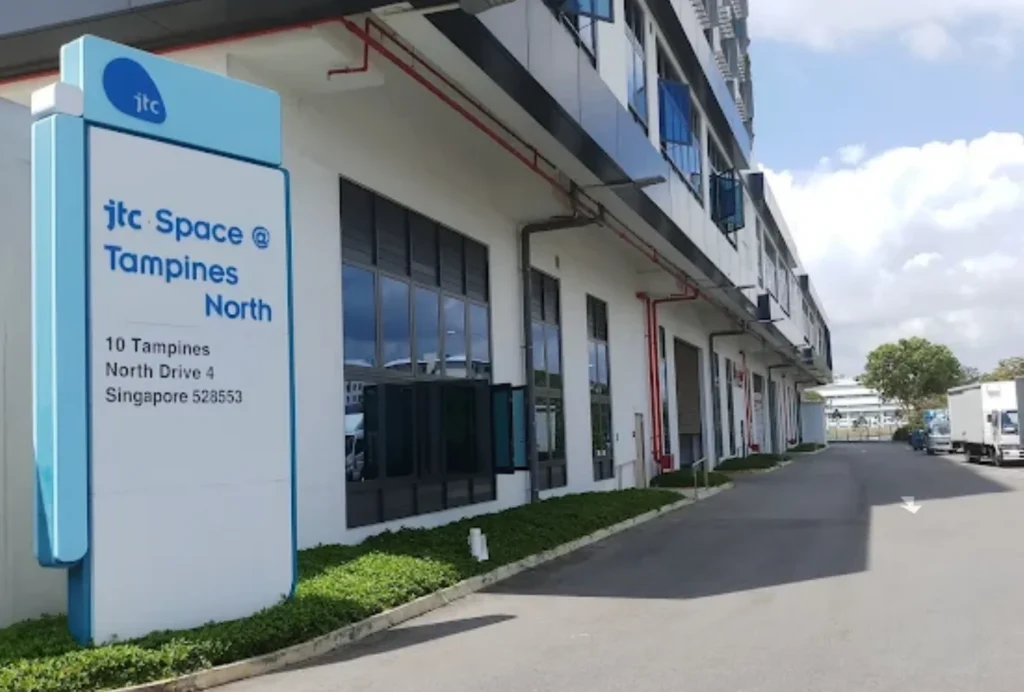
Industrial developments in Tampines North are commonly associated with JTC Corporation, supporting light manufacturing, warehousing, and business park activities. Units here are structured to comply with industrial zoning requirements and typically include loading bays, freight lifts, and high floor loading capacities, with a tenant mix reflecting logistics companies, technology firms, and service providers operating within regulated industrial frameworks.
Industrial properties are quite different from ordinary offices, and I think this deserves more attention in a general guide like this. If I were considering an industrial unit, I wouldn’t assume any business could operate there simply because the unit is available for rent. Permitted use, zoning requirements, building rules, loading facilities, floor loading, power requirements, and other operational conditions all matter. For a manufacturing, logistics, workshop, or storage business, I’d also look closely at how goods actually move in and out of the building, since a unit can have plenty of floor area but still be genuinely inconvenient if deliveries or equipment movement are difficult.
JTC Shuttle Bus and Accessibility
Accessibility is a real advantage of JTC Space Tampines North. Shuttle bus services often connect industrial developments to nearby MRT stations, and public bus routes operate throughout Tampines, which reduces reliance on private vehicles for employees commuting daily. Road connectivity via major expressways further supports efficient goods movement and client access.
Storage Space Tampines Solutions
Storage options here range from compact lockers to large warehouse units. Individuals commonly use self storage for temporary household needs, while businesses rely on commercial storage for inventory management and e-commerce fulfilment, often with pallet storage and round the clock access available.
When comparing storage options, I’d be careful with the phrase cheap storage. The monthly rental price is only one part of the calculation. I’d also ask how often I can access my belongings, whether access is convenient outside normal working hours, what security measures are in place, and whether the storage arrangement actually matches the type of items being stored. For a business, stock movement matters too, if inventory is being accessed several times a week, convenience may matter far more than saving a small amount on monthly rent. I’d also check whether insurance, handling fees, deposits, or transportation charges apply before comparing providers directly against each other.
Work and Store Together
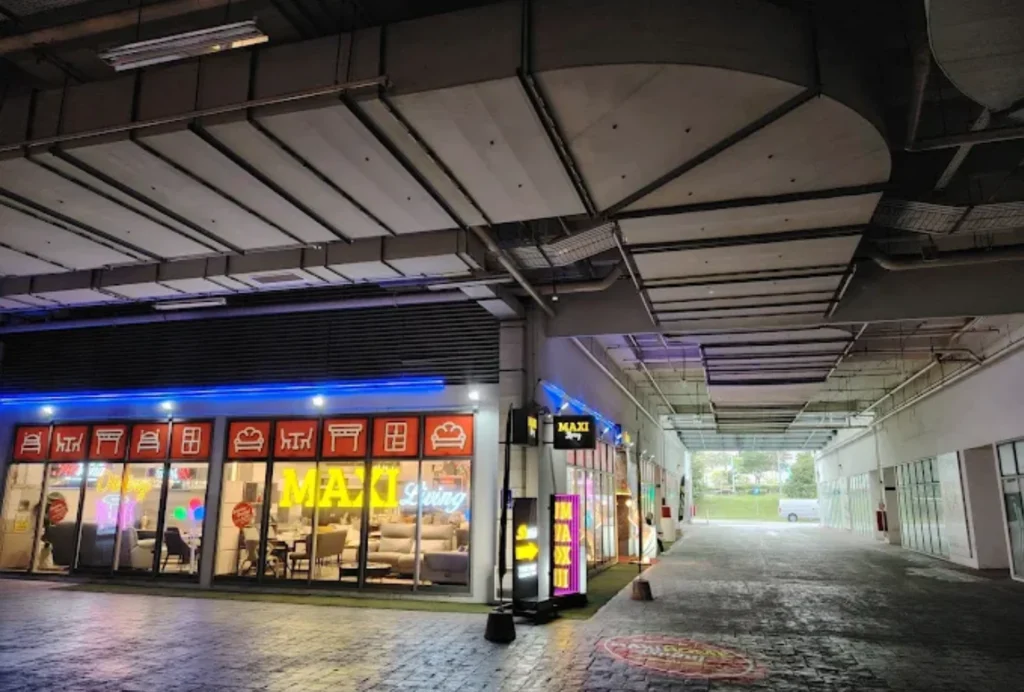
Operators such as Work and Store focus on integrated storage and workspace solutions, combining office and storage components under one roof, with modular design and adaptive reuse of industrial buildings supporting more efficient use of floor space. The work and store concept is particularly interesting to me because small businesses often don’t need a traditional office and a separate warehouse at the same time. An e-commerce seller, online retailer, creative business, distributor, or small operational team may genuinely benefit from having working space and inventory storage close together, especially for a business growing gradually rather than one ready to commit to a large commercial property right away.
Event Spaces in Tampines
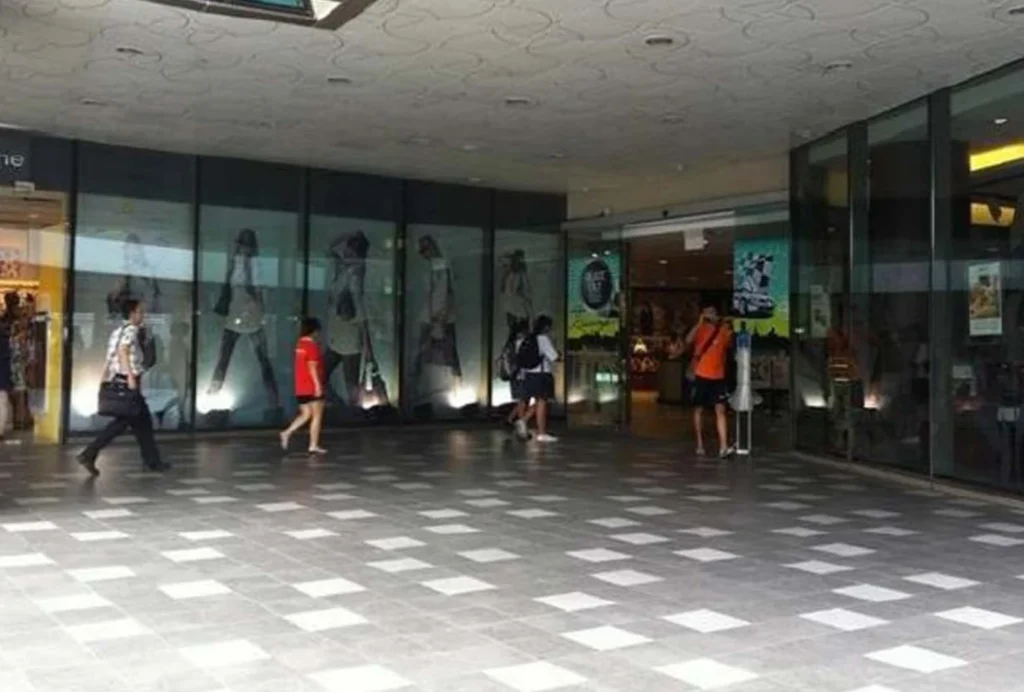
Community and corporate events in Tampines are frequently hosted at Our Tampines Hub, which offers halls, function rooms, and open plazas suited to seminars, exhibitions, and community programmes, generally including audio visual systems and seating arrangements. Organisers should review booking timelines carefully, especially around festive periods or school holidays when demand can rise sharply.
If I were looking for an event space myself, I’d go well beyond photographs and advertised capacity. I’d first identify the type of event, since a business seminar, workshop, children’s activity, community gathering, exhibition, private function, and networking event can all need very different arrangements. I’d check whether the venue provides or permits the things I actually need, tables and chairs, audio visual equipment, Wi-Fi, a registration area, catering, power access, accessibility, parking, signage, setup and dismantling time, cleaning arrangements, and security requirements. I’d also confirm the actual booking rules directly rather than assuming an open space is automatically available for commercial use.
Open Space Booking Tampines
Open spaces within Tampines are available for community and commercial events subject to approval, usually requiring formal applications and adherence to usage guidelines. Rental rates vary depending on duration, size, and event type, and organisers must comply with safety and capacity regulations, so booking well in advance is worth doing to secure a preferred date and venue.
Office Space Tampines Leasing
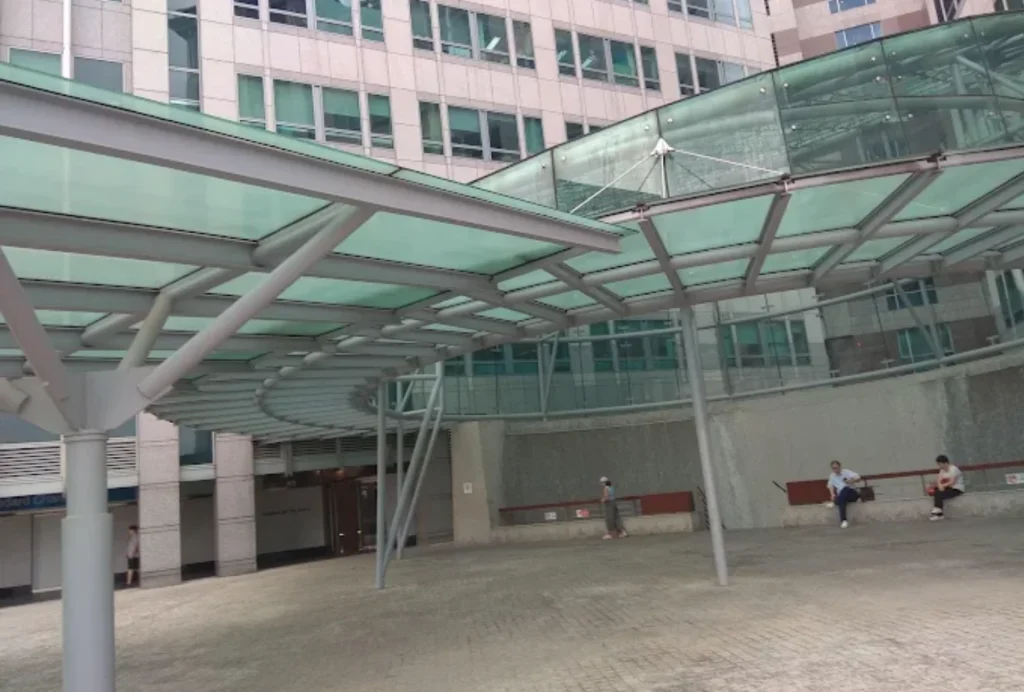
Traditional office leasing offers greater privacy and branding flexibility compared with co working arrangements, and long term leases may offer cost efficiencies for more stable operations. Commercial buildings in Tampines often include lift access, security services, and shared facilities, so businesses should assess layout suitability and room for expansion before committing. Lease agreements typically define maintenance responsibilities, utilities coverage, and renewal terms, all worth reading closely rather than skimming.
Location Within Tampines Matters More Than It Sounds
Tampines is a large town, so I wouldn’t simply write down Tampines and assume every location offers the same convenience. Before choosing a space, I’d check the exact building and its relationship to MRT stations, bus stops, major roads, parking areas, food options, and nearby residential or commercial districts.
This becomes especially important when employees are travelling to the location every day. A space that works well for someone driving may not be equally convenient for someone commuting by public transport. I’d also consider where clients, suppliers, couriers, or contractors are likely to come from, since a business space needs to genuinely work for the people using it, not just look convenient on a map.
I Would Check the Exact Unit, Not Just the Property Name
This is one of the practical details I’d add to any Space Tampines search. Even when a property has a well known name, different units within it can have different layouts, access arrangements, operating restrictions, and neighbouring businesses. I’d check the exact unit rather than relying only on the general property description. If I were arranging a viewing, I’d want to confirm:
- The exact unit number and floor
- Available floor area
- Lift and freight lift access
- Loading and unloading arrangements
- Parking availability
- Operating hours
- Security and access control arrangements
- Power and utility provisions
- Internet connectivity
- Fire safety requirements
- Permitted business activities
- Renovation or fit out restrictions
These details can make a significant difference once a business actually starts using the space day to day.
Residential and Co Living Spaces
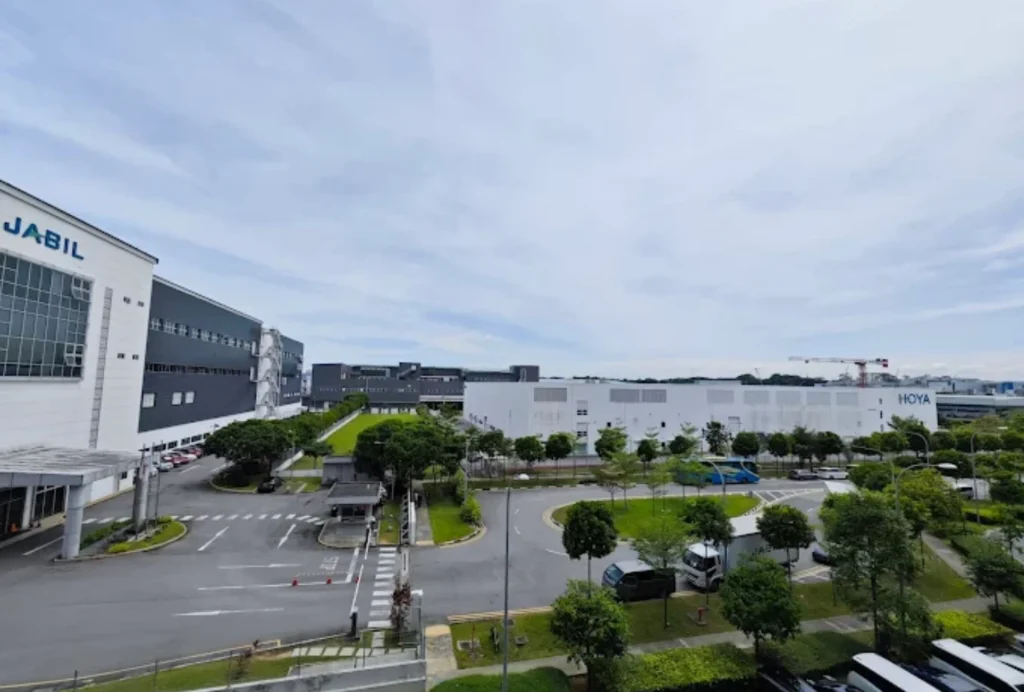
Tampines also offers co living options such as Colwood and serviced residences, catering to professionals seeking short term accommodation near workplaces. These residential options complement the commercial developments by supporting workforce convenience, since proximity to offices reduces commuting time and gives people a bit more lifestyle flexibility within the district.
Facilities Management and Integrated Services
Space operators often provide integrated facilities management, including maintenance, cleaning, security, and energy management, which supports regulatory compliance and more consistent building performance for tenants. Some providers also offer digital parking solutions and car park management systems as part of this.
Parking and Transportation
Parking availability varies by development, with T-Space and other industrial facilities generally offering on site parking at hourly or seasonal rates. Public transport access remains strong across the district, with MRT stations and bus networks reducing parking demand during peak hours, and connectivity via major roads supporting efficient client and logistics access.
I would never assume that parking available means parking will always be convenient. For a business receiving regular customers, suppliers, or deliveries, I’d check the parking arrangement and whether visitors can actually use it easily. For industrial properties specifically, I’d pay particular attention to loading and unloading arrangements rather than ordinary visitor parking. If several employees drive, I’d also think about whether there’s genuinely enough practical parking during the business’s operating hours.
Even when a building has parking, public transport accessibility remains a major consideration in its own right. A business may have employees commuting from very different parts of Singapore, and not everyone will drive, so I’d think about the nearest MRT connection, bus options, walking distance, and the final stretch from the station or bus stop to the actual building.
Food and Everyday Convenience
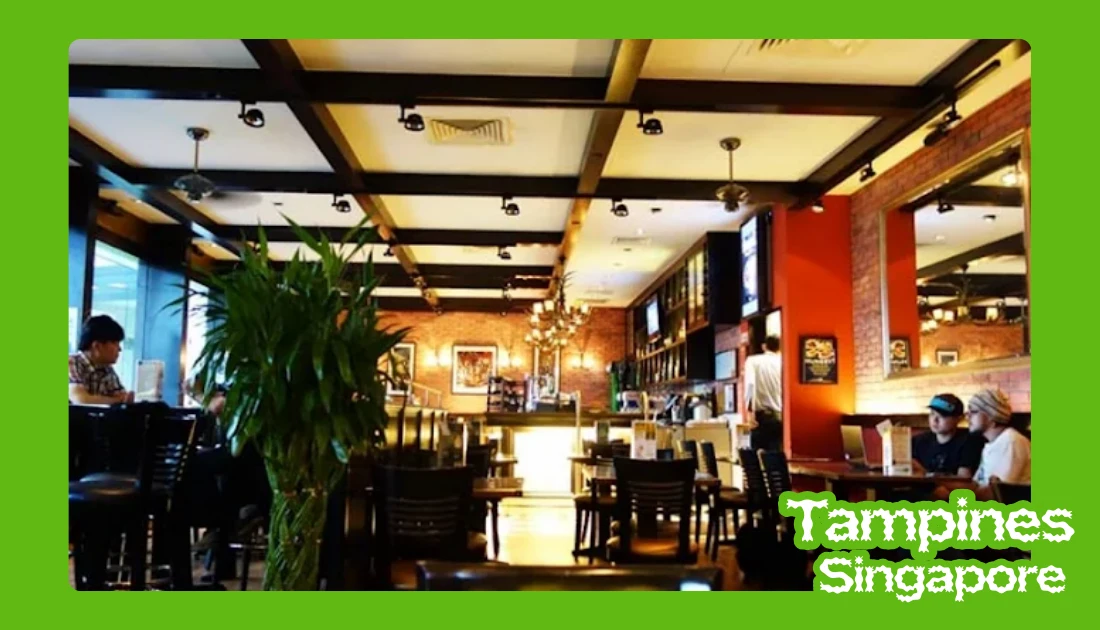
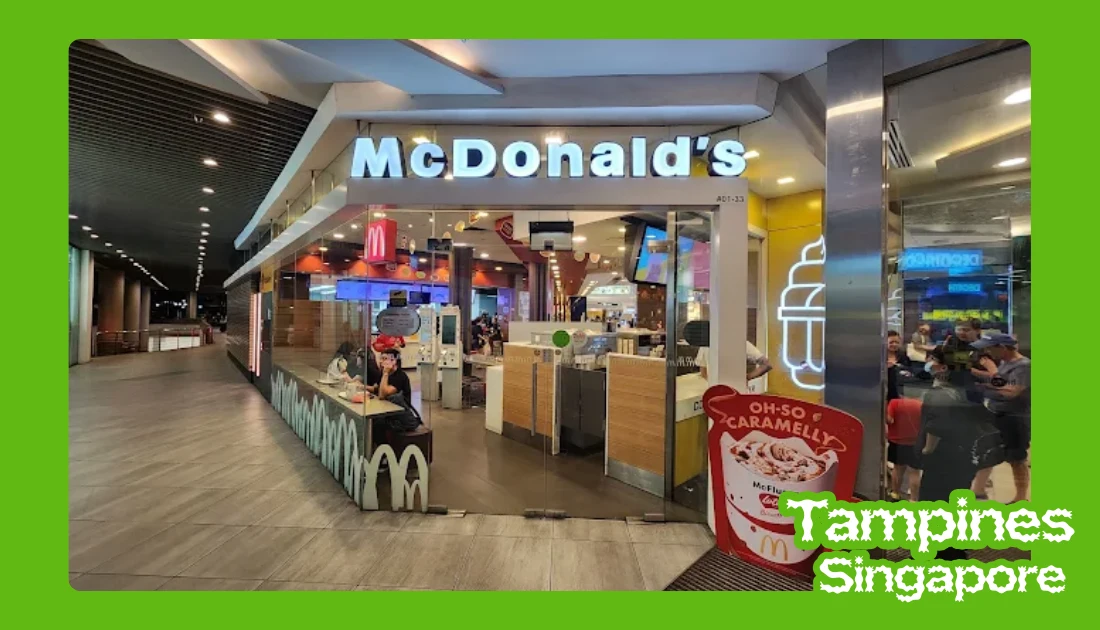
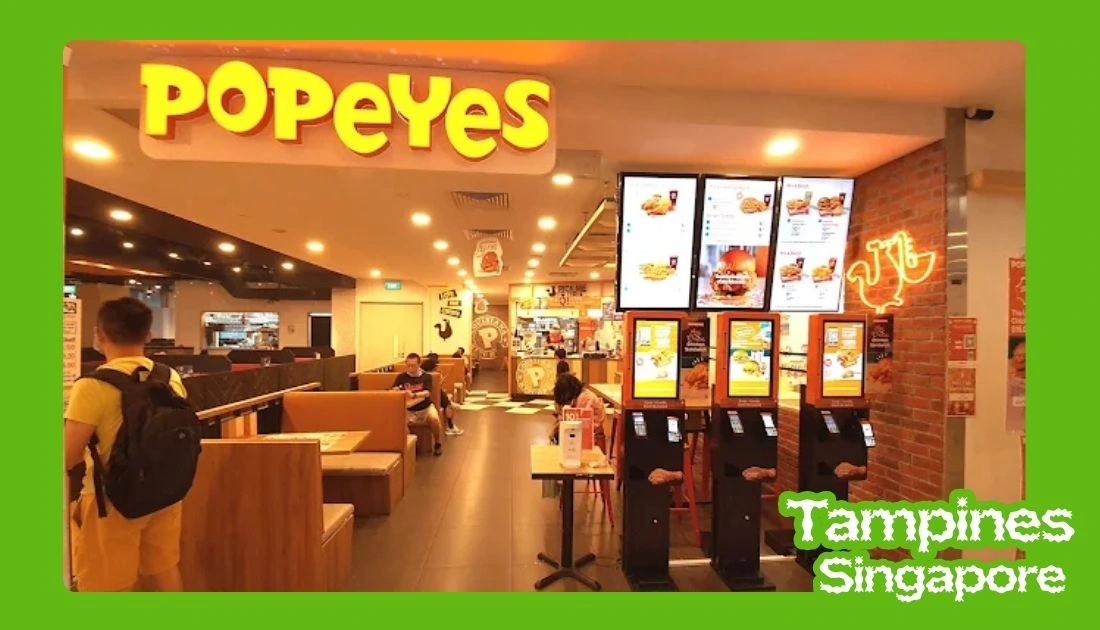
Food courts, cafes, and nearby retail centres genuinely add to tenant convenience, with employees benefiting from accessible dining options within walking distance. Meeting rooms, lounges, and breakout areas contribute to a more collaborative work environment, and storage or loading facilities support day to day operational needs.
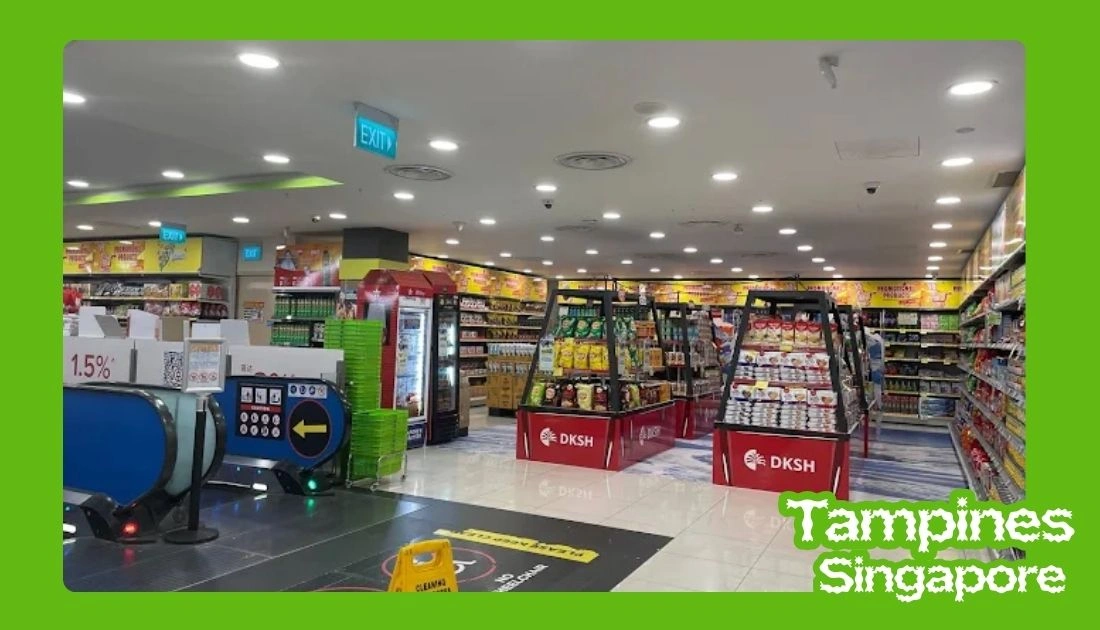
One thing I’ve learned from exploring Tampines is that everyday convenience can influence how practical a location actually feels. Having food options nearby makes lunch breaks much easier, and cafes or food courts can even become informal meeting spots when a business doesn’t have enough internal space. I’d also look for supermarkets, pharmacies, banks, convenience stores, and printing services nearby, details that rarely appear in a property’s main listing but become surprisingly important once people are spending several hours there every day.
Thinking About Growth Before Signing
If a small company expects to add employees, increase inventory, or need additional equipment, I’d ask directly whether the space can accommodate that growth. I’d also check the lease terms carefully, the minimum lease period, renewal conditions, security deposit, rent increases, maintenance responsibilities, utilities, permitted alterations, and termination provisions. A space that works perfectly today can become restrictive fairly quickly if the business changes direction or scale.
The Building’s Rules Matter as Much as the Unit Itself
Before signing anything, I’d want to understand the rules of the development itself, not just the individual unit. Some properties have restrictions concerning operating hours, deliveries, signage, renovation work, noise, storage, or the type of activities permitted. This matters particularly for businesses that operate differently from a conventional office, a creative studio, workshop, logistics operation, food related business, or e-commerce fulfilment operation may all have quite different practical requirements from what a standard office lease assumes.
Property Development and Investment
Developments in Tampines are supported by established property groups such as LHN Limited, which engages in property development, investment, and facilities management. Corporate strategies in this space often focus on adaptive reuse, ESG integration, and renewable energy initiatives, with solar panel installations and EV charging systems increasingly incorporated. Awards such as SIAS Investors’ Choice and the Singapore Corporate Awards reflect recognition in governance and sustainability practices.
I’d separate this kind of investment information from practical rental information, since someone searching for an office or storage unit usually wants details about rent, access, facilities, and suitability, while an investor is more likely interested in ownership structure, rental demand, development plans, and financial performance. Keeping those two perspectives distinct makes a guide like this easier to actually use.
Corporate Governance and Financial Information
Corporate transparency plays a role in investor confidence, with financial results, annual reports, and sustainability disclosures providing performance insights. Investor relations platforms typically include newsroom updates, stock fundamentals, and presentation materials, and stakeholders can generally access information requests and email alerts through official channels.
Energy and Sustainability
Energy efficiency, solar installations, EV charging, building management systems, and responsible use of resources are becoming common across commercial developments in the area, and these aren’t only corporate talking points, they can meaningfully affect operating costs and the type of workplace a business is able to offer. For companies with ESG commitments, I’d ask what sustainability features are actually available at a specific property rather than assuming every development offers the same facilities.
Timing Can Affect the Experience
Tampines is a busy regional centre, so timing deserves its own consideration. If employees or visitors are travelling during peak periods, the journey can feel very different from a visit at a quieter time. For an office or regular workspace, I’d think about the daily commute pattern. For an event, I’d think about when guests are likely to arrive and leave. Weather is a small but genuinely practical factor too, if part of the journey involves walking between public transport, parking, and the building, Singapore’s heat and sudden rain can make a short outdoor distance feel very different from what a map suggests.
Always Confirm Current Information Before Signing
Property information changes. Tenants move, businesses change operating hours, facilities get upgraded, and available units can disappear quickly. For that reason, I’d treat any online listing as a starting point rather than the final word. Before making a booking, rental commitment, or business decision, I’d confirm the current information directly with the relevant property manager, landlord, operator, or venue, including the rental rate, availability, permitted use, opening and access hours, parking, facilities, and any additional fees.
Tips for Renting Space in Tampines
Before committing to a rental, evaluate the space configuration, accessibility, and included utilities, and confirm parking availability and any shuttle services. Compare short term and long term lease structures against your operational forecast, flexible models tend to suit startups, while established firms may prefer extended leases for cost stability. Conduct a proper site visit and review contractual terms carefully to ensure the space actually suits how the business operates, rather than just how it looks on paper.
Frequently Asked Questions
What types of spaces are available in Tampines?
Tampines offers co working offices, traditional commercial units, industrial spaces in Tampines North, self storage facilities, co living residences, and community event venues, giving businesses, residents, and organisers a fairly wide range of options to match their needs.
How do I rent a co working or office space in Tampines?
Typically by contacting the building management or operator directly through their official website. Most providers offer viewing appointments, floor plan consultations, and flexible lease packages depending on team size and rental duration.
Where is JTC Space Tampines North located and who is it suitable for?
It sits within the industrial precinct of Tampines North and is managed by JTC Corporation, suitable for light manufacturing, logistics, warehousing, and SMEs that need regulated industrial units with proper infrastructure support.
Are there event spaces available near Tampines MRT?
Yes, venues such as Our Tampines Hub offer accessible event halls and function rooms near Tampines MRT, commonly used for corporate seminars, community activities, and exhibitions, with booking available through official channels.
What should I consider before renting storage space in Tampines?
Accessibility hours, security systems, climate control, loading facilities, and contract flexibility all matter, and businesses should also weigh proximity to transport routes for efficient inventory management.
My Overall Take
What I like about looking at Space Tampines as a broader concept is that it shows another side of Tampines beyond shopping malls and residential neighbourhoods. There’s a genuine practical business ecosystem here involving offices, industrial properties, storage, events, logistics, community facilities, and supporting services. For someone searching for space, the challenge isn’t simply finding an available unit, it’s finding a space that matches the way the business actually operates.
If I were making the decision myself, I’d start with the purpose of the space, then compare location, transport, access, permitted use, facilities, total cost, lease flexibility, and future growth. That approach would save me from choosing a space simply because it looks affordable or convenient on paper. For a place as large and varied as Tampines, the small practical details can make a much bigger difference than the headline description ever suggests.