

My 10 Best Japanese Food Spots In Tampines | Sushi & Ramen
Japanese food in Tampines became interesting to me because I realised how much variety there is without needing to travel into another part of Singapore. I originally thought of Japanese food mainly in terms of sushi and sashimi, but after visiting different places around Tampines, I found myself trying completely different styles of Japanese dining — ramen, donburi, bento, yakiniku, pork rice bowls and even ready-to-eat Japanese food.
That variety is probably the biggest reason Japanese food has become such an easy choice for me here. I can be in the mood for sushi one day, want a hot bowl of ramen the next, and then decide I want grilled meat or a filling set meal another time. The restaurants are also spread around the main shopping and dining areas — particularly Tampines Mall, Century Square and Tampines 1 — so I don’t have to make a separate trip just to find Japanese food.
After trying these different restaurants, I realised Japanese food in Tampines doesn’t feel like one single dining scene. Each place gave me a slightly different reason to visit, and a slightly different meal to remember it by.
Why Japanese Food Became So Popular With Me in Tampines
The biggest reason Japanese food works so well here, in my experience, is choice. If I want sushi, I have several places I can consider. If I want ramen, I don’t have to settle for sushi just because I’m heading to a Japanese restaurant. If I want grilled meat, I can go for yakiniku. If I’m looking for something quick, I can pick up a bento or ready-to-eat sushi instead.
I also think the food itself is approachable. Sushi is easy to share, ramen is familiar and comforting, donburi is filling without being complicated, and bento gives me a bit of everything in one meal. Japanese restaurants also tend to make it easy to order according to how hungry I actually am, rather than forcing one particular style of dining on me.
Another thing I noticed is that Japanese food can feel both casual and a little more special, depending on where I go. I can have a simple sushi meal without making an occasion of it, but I can also sit down at somewhere like SUSHI TEI and take more time over the meal. That range matters to me because I don’t always want the same kind of dining experience.
My Japanese Food Experience Across Tampines
SUSHI TEI — When I Wanted More Than Sushi
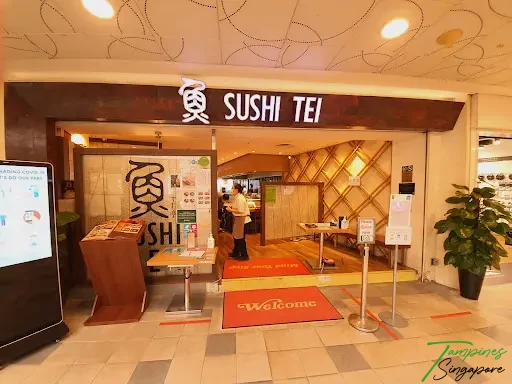
I visited SUSHI TEI because I wanted somewhere I could explore more than just sushi. I ordered sushi and sashimi to focus on the traditional side of the meal, but I also spent time looking through the hot Japanese dishes because the wider menu gave me plenty to consider.
What I liked most was the feeling that I didn’t have to rush through the meal. I could have several things on the table at once and take my time with them. The sushi and sashimi gave me the lighter, more traditional part of the experience, while the broader menu made the restaurant feel suitable when I wanted something more substantial too.
For me, SUSHI TEI is the kind of Japanese restaurant I’d choose when I want to sit down properly and make the meal an actual experience rather than simply grabbing something quickly.
Genki Sushi Tampines Mall — The Fun Side of Japanese Dining
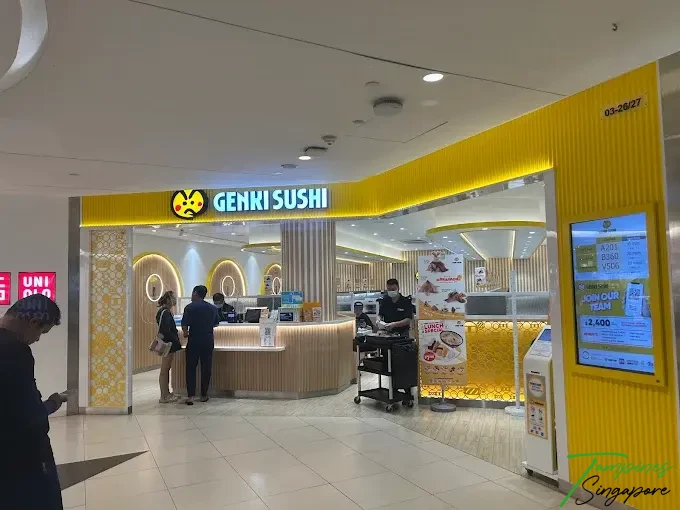
My visit to Genki Sushi was different because the experience itself was part of what I enjoyed. I ordered several different sushi plates instead of concentrating on just one dish, and I liked being able to try different flavours and order more as I went along. The ordering and delivery system made the meal feel more interactive than a standard restaurant visit.
That was probably what stuck with me most after leaving. It didn’t feel overly formal — I could enjoy sushi, try different plates, and have a bit of fun with how the meal actually arrived at the table. Genki Sushi became one of my choices when I wanted casual Japanese food rather than a long sit-down meal, and being right there at Tampines Mall makes it particularly convenient if I’m already around the mall for something else.
Sushi Zanmai Tampines Mall — My Straightforward Sushi Choice
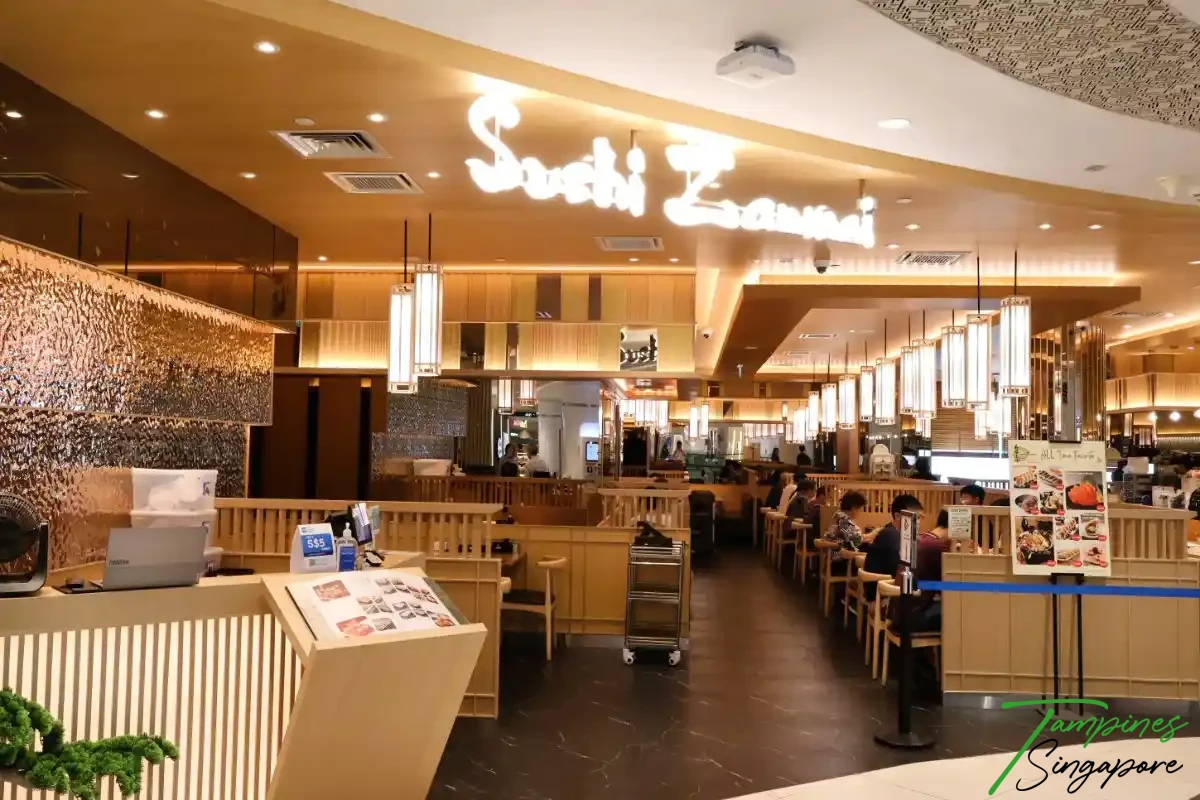
I visited Sushi Zanmai when I wanted something simple: sushi, rice and familiar Japanese flavours without making the meal complicated. I focused my order on sushi and a rice-bowl option because I wanted a combination of lighter and more filling food, and I appreciated having enough choice to build the meal around what I was actually craving that day.
For me, Sushi Zanmai represents the straightforward side of Japanese food in Tampines. I don’t need every Japanese meal to be a special occasion — sometimes I just want sushi, a filling bowl, and a comfortable place to sit down. That simplicity was exactly what I liked about the visit.
Ichiban Boshi — When I Wanted a Complete Japanese Meal
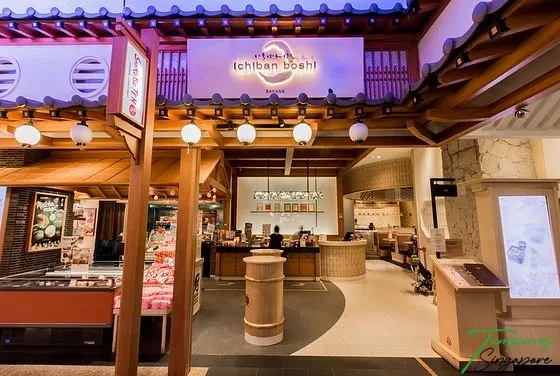
My visit to Ichiban Boshi at Century Square was more about having a complete meal rather than concentrating on sushi. I ordered a bento or set-style meal because I liked the idea of having a main dish, rice and smaller sides all together, rather than ordering several individual dishes and trying to combine them myself.
I particularly enjoyed the variety within that one meal. It made the whole experience feel more complete and filling, which is why I’d think of Ichiban Boshi when I’m after a proper Japanese lunch or dinner rather than something lighter.
Butahage — I Went Specifically for the Butadon
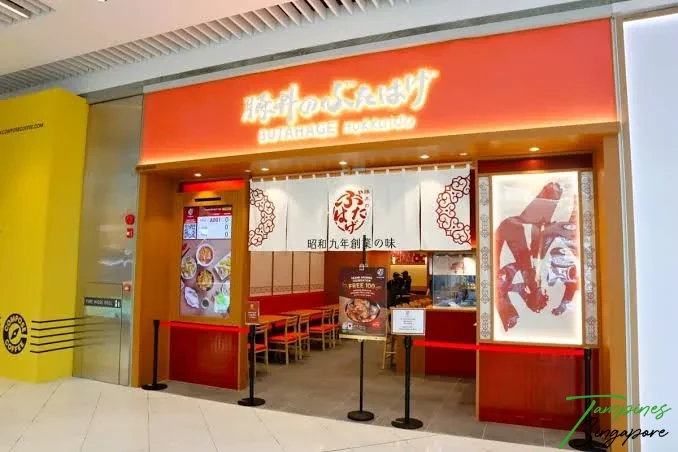
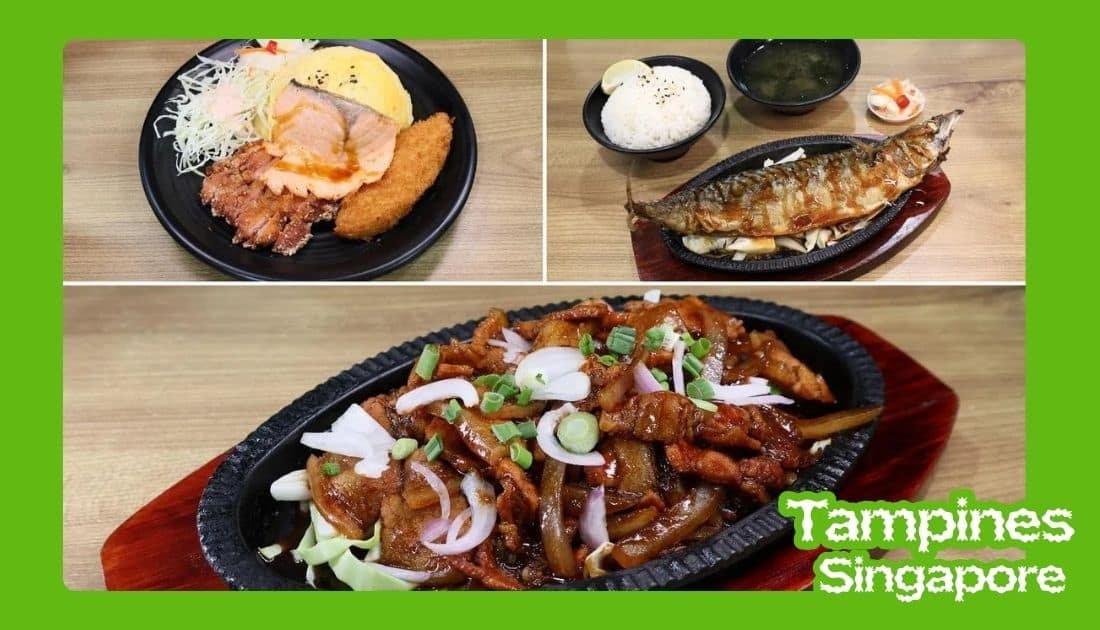
Butahage was one of the restaurants where I already had a particular dish in mind before I arrived. I went because I wanted to try the butadon — the pork rice bowl — rather than simply choosing a generic Japanese meal, and the pork served over rice was exactly the focused dish I was after.
What I liked was that the restaurant didn’t feel like somewhere I needed to spend a long time deciding what to order. I knew why I was there, I wanted the pork bowl, and that focus made the meal genuinely memorable. The combination of seasoned pork and rice felt simple but satisfying — after so many sushi-focused visits, having a restaurant where one specific rice bowl was the whole reason for going gave me a completely different kind of meal.
Yakiniku Like — My Japanese BBQ Experience
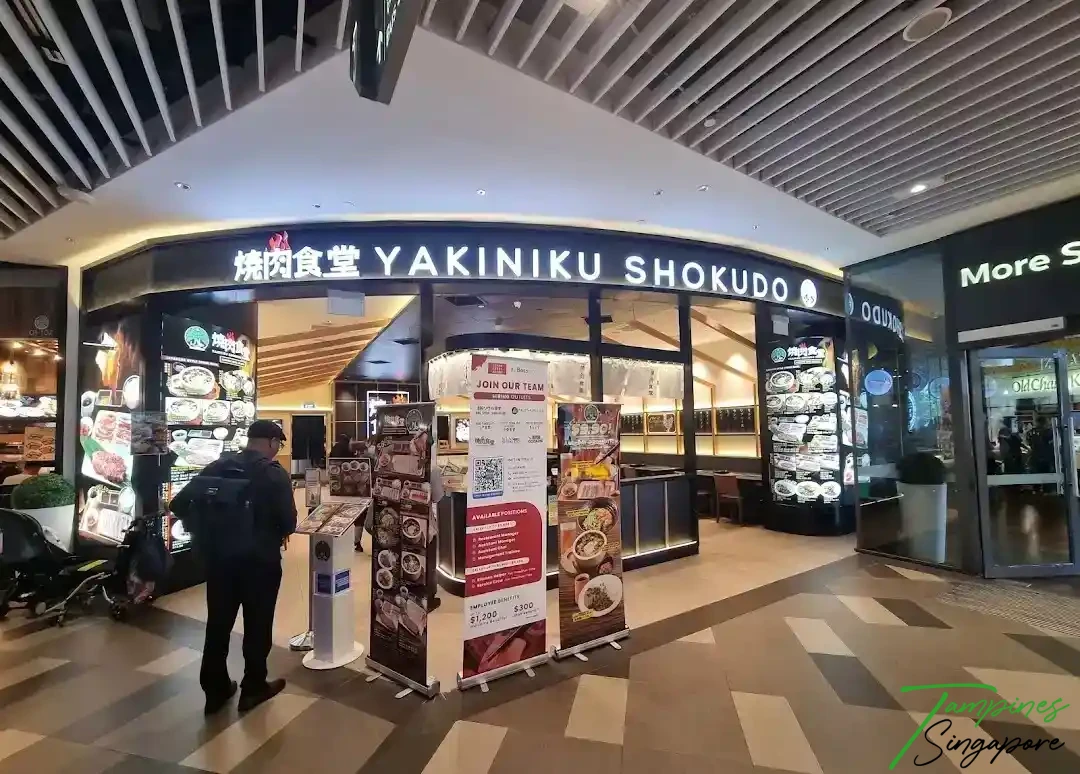
I visited Yakiniku Like at Tampines 1 because I wanted to try Japanese BBQ but didn’t necessarily want to organise a large group meal around it. I ordered an individual grill set and enjoyed cooking the meat myself at the table, which became the main part of the experience for me — instead of simply receiving a finished dish, I could cook each piece exactly how I wanted it.
I liked that mix of interaction and convenience. I could sit by myself, take my time, and control the pace of the meal entirely. This was one of the visits that reminded me Japanese food in Tampines isn’t just about sushi — yakiniku gives me a completely different type of dining experience, and having an individual-friendly format makes it much easier to enjoy without needing a big group around me.
Tokyo Shokudo — When I Wanted Ramen Instead of Sushi
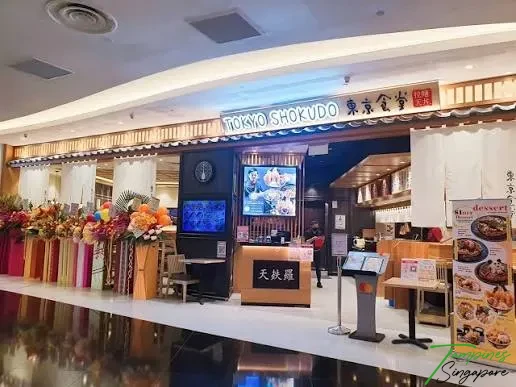
I visited Tokyo Shokudo at Tampines Mall on a day when I wanted something warm and comforting. Instead of ordering sushi, I focused on ramen — I was curious about the donburi and tempura options too, but the ramen was what I actually wanted most that day.
What I enjoyed was how different the experience felt from the sushi restaurants. Rather than having several small plates in front of me, I had one substantial bowl of Japanese food, which is exactly the kind of meal I’d choose for a hearty lunch. Tokyo Shokudo is also a particularly useful option for halal diners — it’s a “no pork, no lard” concept and is currently listed as halal-certified by the mall itself, though certification is renewed yearly, so it’s worth a quick check in-store if that matters to you. For my own visit, though, the main thing I remembered was simply the comfort of a hot bowl of ramen.
Kuriya Japanese Market — Japanese Food When I Don’t Want a Restaurant Meal
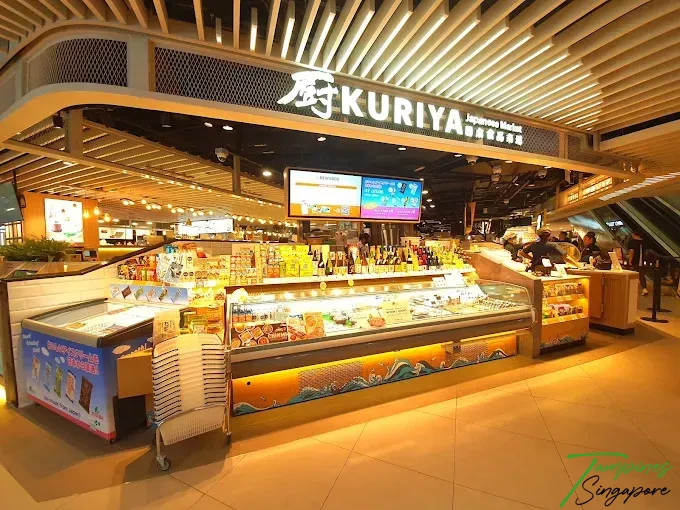
My visit to Kuriya Japanese Market at Tampines 1 was different from all the restaurant experiences because I wasn’t really looking for a traditional sit-down meal. I wanted something convenient, so I looked at the ready-to-eat Japanese food, particularly the sushi and bento options, and picked something based purely on what I felt like eating that moment.
That flexibility is what makes Kuriya interesting to me. It sits somewhere between Japanese dining and Japanese grocery shopping — a place for quick ready-to-eat meals as well as Japanese products more generally. For me, that makes Japanese food feel even more accessible day to day. I don’t always need to sit inside a restaurant to enjoy it.
Warrior Sushi — My Casual Sushi Stop
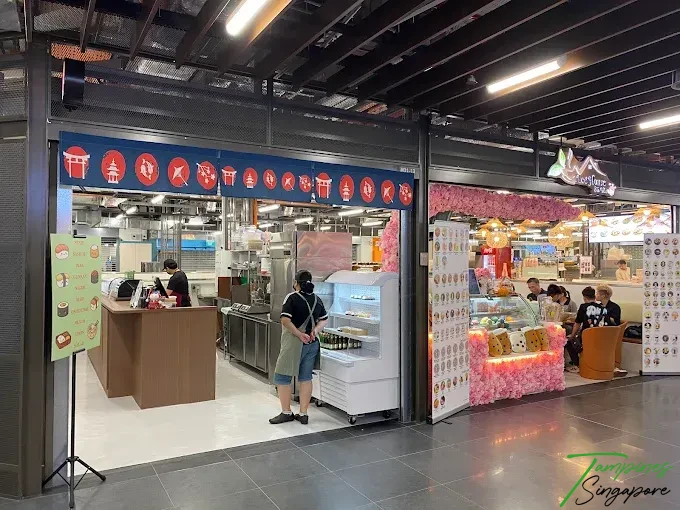
I visited Warrior Sushi when I wanted sushi without making the meal feel like a special occasion. I kept my order focused on sushi and chose a few different pieces rather than a large meal, and what I liked was the straightforward nature of the whole visit — sit down, choose what I want, enjoy the food.
After visiting some of the larger Japanese restaurants, I appreciated having a more casual option on my list. There are days when I don’t want to spend a long time deciding what to eat — I just want sushi, quickly and simply. That’s exactly where Warrior Sushi fits into my personal Japanese food rotation in Tampines.
Little Tokio — A Relaxed Japanese Meal
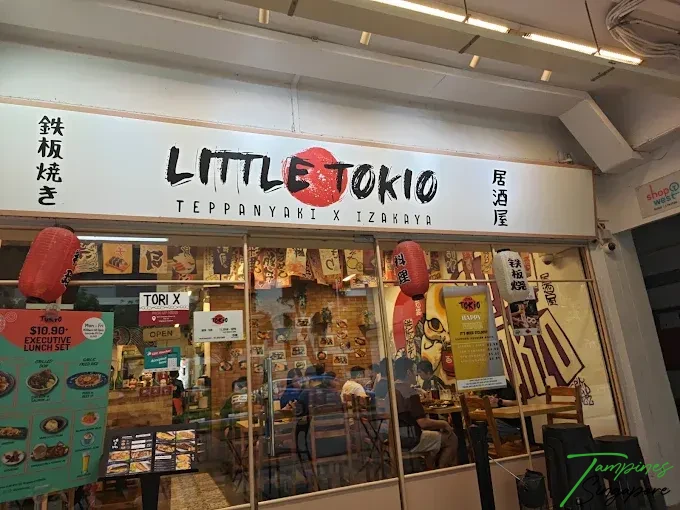
I visited Little Tokio because I wanted another casual Japanese option rather than another premium or highly specialised restaurant. I kept my order fairly simple and focused on the Japanese dishes available — I wasn’t trying to turn the visit into a big food event, I mainly wanted to see how it felt to have a relaxed meal there.
What I liked was exactly that: the casual nature of it. It gave me another option for when I want Japanese food but don’t have a specific craving for sushi, ramen or yakiniku that day. For my own list, Little Tokio represents the everyday side of Japanese food in Tampines — the kind of place I think of when I want Japanese food without planning the whole meal around it.
What I Like About Having So Many Japanese Food Styles in Tampines
After visiting these restaurants, I don’t think I could describe Japanese food in Tampines simply as a sushi scene. Sushi is definitely an important part of it — my visits to SUSHI TEI, Genki Sushi, Sushi Zanmai and Warrior Sushi all gave me different sushi experiences from one another. But there’s another whole side to it as well.
At Tokyo Shokudo, I was thinking about ramen. At Butahage, the entire reason for my visit was butadon. At Yakiniku Like, the meal revolved around grilling meat myself. Ichiban Boshi gave me a more complete bento/set-meal experience, while Kuriya Japanese Market showed me how convenient Japanese food can be when I simply want something ready to eat. That’s why Japanese food works so well for me here — I don’t have to eat the same thing every time I decide I want it.
Japanese Food Works for Different Types of Dining
One thing I noticed across all these visits is how easily Japanese food fits different situations. If I’m eating alone, I can have ramen, donburi, sushi, or an individual yakiniku set. If I’m eating with someone, sushi and sashimi are easy to share, while restaurants with larger menus give us the freedom to order completely different dishes at the same table.
If I’m looking for a filling meal, a bento, donburi or ramen works better for me than a plate of individual sushi pieces. If I don’t have much time, ready-to-eat sushi or a bento from Kuriya Japanese Market makes more sense than sitting down somewhere. And if I want something more interactive, Yakiniku Like gives me the chance to actually cook my own food rather than just eat what arrives.
Why Tampines Makes Japanese Food Convenient
Another reason I keep coming back to Japanese food here is simply how convenient the main dining areas are. Tampines Mall, Century Square and Tampines 1 form a particularly useful cluster for food hunting — several of the restaurants I visited sit within these shopping-centre areas, so I can combine eating with shopping, errands, or just spending time around Tampines Central. The area is also connected to Tampines MRT and other transport options, which makes these restaurants genuinely easy to reach.
That convenience changes how I think about Japanese food here. I don’t necessarily have to plan a dedicated restaurant trip — I might already be at Tampines Mall and decide I want sushi, or already be around Tampines 1 and suddenly feel like yakiniku, or remember at Century Square that I wanted to try a particular rice bowl. The restaurants are close enough together that I can genuinely compare different styles over time rather than committing to one and sticking with it.
Sushi Is Only the Starting Point
Before exploring Japanese food properly in Tampines, sushi was probably the first thing I associated with Japanese restaurants. Now I see it as just one part of the picture. Sashimi gives me something lighter and more traditional. Ramen gives me something warm and filling. Donburi gives me rice with a substantial main topping. Bento gives me variety within one meal. Yakiniku makes the whole dining experience interactive, while butadon gives me a focused specialty bowl I can build an entire visit around.
Even within sushi itself, my experiences varied quite a bit. Genki Sushi felt more playful and interactive, SUSHI TEI gave me more room to explore beyond just sushi, and Sushi Zanmai worked perfectly for the straightforward sushi meal I actually had in mind that day.
Japanese Food for a Quick Meal or a Longer Visit
I also like that I don’t have to decide in advance whether my Japanese meal is going to be quick or leisurely. There are days when I simply want to eat and get on with my plans — Kuriya Japanese Market works well for that, since I can pick up sushi or a bento and keep moving. Other days I actually want to sit down and properly enjoy the meal, which is when somewhere like SUSHI TEI or Ichiban Boshi makes more sense.
Then there are the experiences in between. Genki Sushi gives me something casual and interactive, while Yakiniku Like lets me spend a bit more time cooking and eating at my own pace without it becoming a full evening. That range is what makes Japanese food feel practical for everyday life here, rather than something I only reach for occasionally.
A Note on Dietary Preferences
Another reason Japanese food appeals to such a wide range of diners is the sheer variety of ingredients and dishes on offer. That said, I wouldn’t assume any Japanese restaurant is automatically suitable for a specific dietary requirement just because of what’s on the menu.
For halal diners especially, I think it’s important to check certification and ingredients directly rather than assuming that seafood or chicken automatically makes a dish halal — sauces, broths, marinades and preparation methods can all matter. From what I could confirm, Tokyo Shokudo at Tampines Mall is currently halal-certified, but I’d treat other restaurants individually rather than assuming the same applies across the board, and I’d always double-check current certification status in-store since these things are renewed yearly and can change.
What Makes Japanese Food in Tampines Different for Me
If I had to explain my own experience simply, I’d say Japanese food in Tampines is popular because it’s easy to fit into everyday life. I don’t have to wait for a special occasion — I can have sushi after shopping, grab ramen for lunch, order a bento when I want several things together, have butadon when I want a specific rice bowl, cook yakiniku when I want something interactive, or pick up sushi and take it home. And because I visited so many different restaurants, I never felt like I was repeating the same meal twice.
My Favourite Part of Exploring Japanese Food in Tampines
What I enjoyed most wasn’t finding one restaurant and deciding that was all I needed — it was being able to compare completely different Japanese experiences within the same few streets. SUSHI TEI showed me the appeal of a broader Japanese menu. Genki Sushi made sushi dining more interactive. Sushi Zanmai gave me a straightforward sushi meal. Ichiban Boshi gave me a complete set-style experience. Butahage made me focus on one signature dish. Yakiniku Like turned dinner into an interactive grilling experience. Tokyo Shokudo gave me the comfort of ramen, with the added bonus of being halal-certified for anyone who needs that. Kuriya Japanese Market made Japanese food convenient for takeaway. Warrior Sushi gave me a casual sushi option, and Little Tokio added another relaxed choice for the days I just wanted something easy.
Looking at all ten together, that’s the real reason Japanese food has become such a strong part of my Tampines food experience. It isn’t just about sushi — it’s the fact that I can keep coming back and have a genuinely different meal each time.