

CityLife Tampines | Units, Layouts & What I Noticed
CityLife @ Tampines caught my attention because it feels quite different from the newer, more compact residential developments I’ve come across in Singapore. When I explored the development, what stood out to me was the amount of space, the range of facilities, and how closely the estate is connected to the wider Tampines town centre.
I wasn’t looking at CityLife simply as another condominium development. I wanted to understand what it actually feels like as a residential estate — how the blocks are arranged, what the common areas are like, whether the facilities feel practical for everyday use, and how convenient the surrounding location is.
My First Impression
The first thing I noticed was the overall scale. CityLife spans 10 blocks and 514 units along Tampines Central 7, rising up to 15 storeys — it isn’t the kind of residential project where everything feels compressed into a small footprint. There are multiple residential blocks, landscaped areas, and shared facilities spread throughout the estate, which gives it a more established residential atmosphere than a lot of newer, denser developments.
The greenery also caught my attention. Walking around, the landscaped areas helped soften the built-up surroundings and gave the estate a more relaxed feeling — which matters to me because a residential development isn’t only about what’s inside the apartment. The spaces between the blocks affect how the place feels day to day.
Background and Development History

CityLife is a 99-year leasehold Executive Condominium, with the lease running from 2012 and TOP obtained on 3 February 2016. It was developed by Tampines EC Pte Ltd, a consortium of Kay Lim Holdings, Haiyi Holdings, SingHaiyi Group, and Amara Holdings — worth clarifying since some older write-ups about this development have attributed it to a different developer entirely, which isn’t accurate.
CityLife is often described as Singapore’s first hotel-style or “luxury-hotel-inspired” Executive Condominium, a positioning that shows up consistently in how the development markets itself and is generally described by property sources.
Where It Actually Stands on MOP and Privatisation
Given the February 2016 TOP date, the 5-year Minimum Occupation Period ended around 2021, well in the past. The more significant milestone is the 10-year mark, which allows an EC to fully privatise — lifting EC-specific restrictions and opening ownership to foreign buyers. That milestone lands around February 2026, and based on current property listings, CityLife has already crossed it as of today. I’d still confirm the exact current ownership status with a property agent before treating this as settled for a specific transaction, but the timeline strongly suggests this development is now functioning as a fully privatised property rather than one still under EC resale restrictions.
Why the Location Stood Out to Me
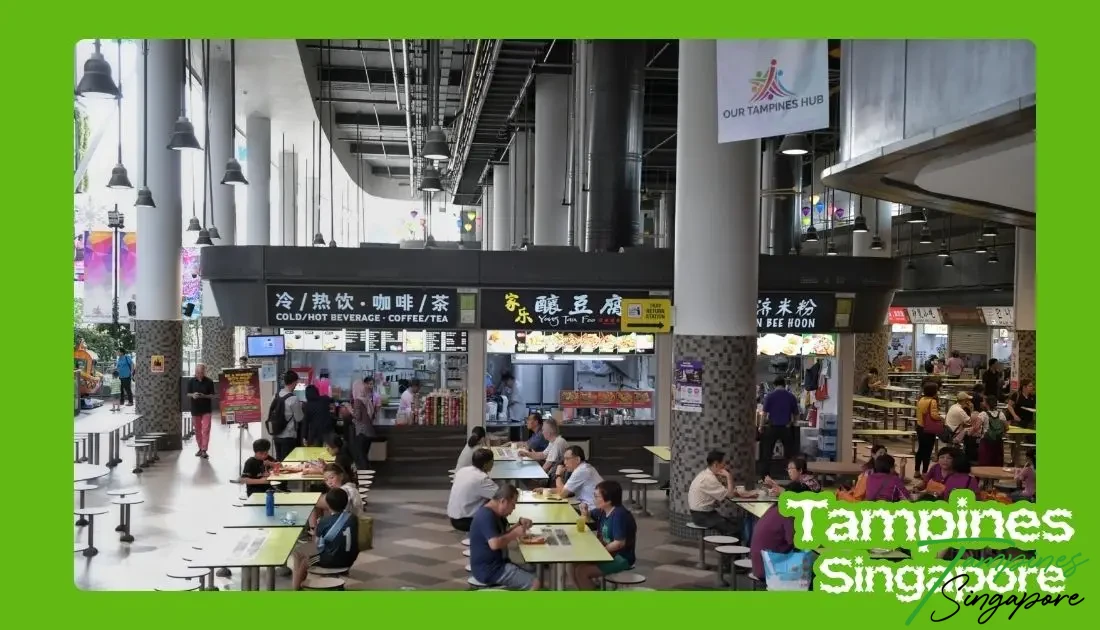
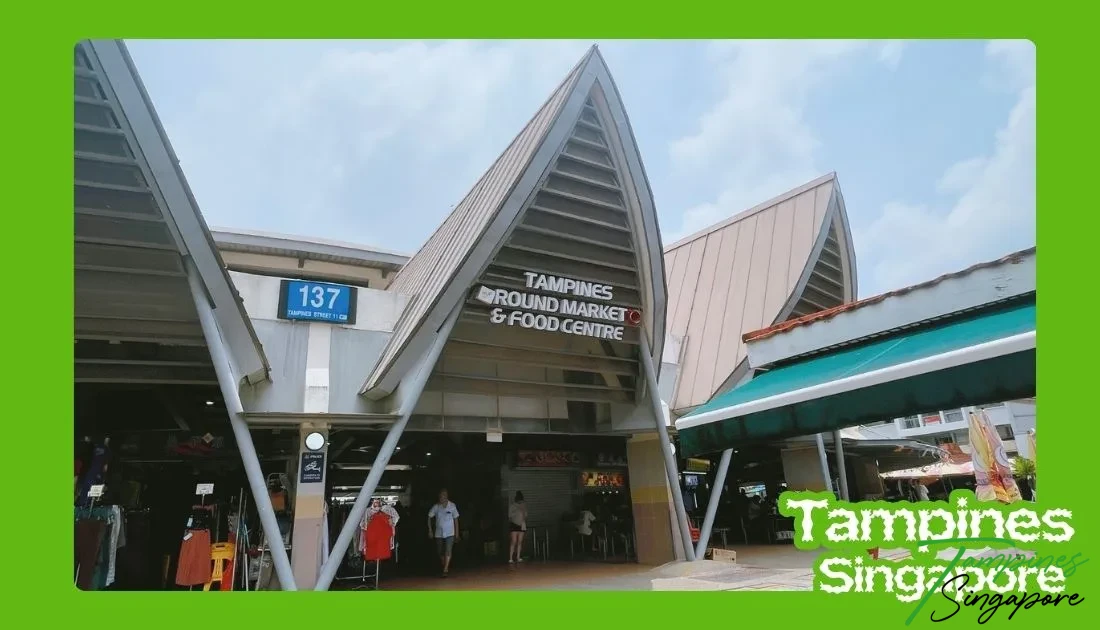
CityLife sits along Tampines Central 7, close to the central part of Tampines rather than making residents depend entirely on a car. Shopping, food, public transport, schools, and everyday services are all part of the surrounding environment — Tampines Mall, Century Square, Tampines 1, and Our Tampines Hub are all within a reasonable walk or short ride, and Tampines MRT is close enough that daily life doesn’t need to revolve around driving.
My Walk Around the Development
While exploring CityLife, I paid attention to how the different areas connect rather than just looking at individual facilities. Some areas feel more active because they’re close to the shared facilities, while others feel more residential and quiet — that balance is something I personally appreciate. I wouldn’t want every part of a condominium to feel like a recreation centre, but I also wouldn’t want an estate with nothing to do outside the apartment. CityLife seemed to offer a mixture of both.
Unit Layouts
The development offers a genuinely wide unit mix — 2- to 5-bedroom layouts, dual-key units, sky units, and penthouses — so it isn’t designed around one particular household type. There are smaller units for people who don’t need a large apartment, while the larger layouts, including some notably generous penthouses, make more sense for bigger or multi-generational families.
When I look at an apartment layout, I pay attention to how much of the floor area is actually usable rather than just the headline size. A large stated floor area doesn’t automatically mean a home feels spacious — the shape of the rooms, the relationship between living and dining areas, bedroom sizes, and whether furniture can realistically be arranged all matter more to me.
Living and Dining Areas
At CityLife, the larger layouts provide enough room for the living and dining areas to function as separate parts of the home without feeling completely disconnected. That flexibility means the dining area can be used properly when family is over, while on an ordinary day the two spaces can simply function as one larger common area.
Kitchens
Kitchens are something that can easily be overlooked when looking only at listing photos. I’d personally look at storage, countertop space, and ventilation before deciding whether a particular unit works, and I wouldn’t assume every resale apartment has the same finishes — condition can vary considerably depending on renovation history.
Bedrooms and Family Space
The larger bedroom configurations suit family living well, giving different household members proper separation. That matters more as children get older or when multiple generations share a home, and the larger units offer flexibility to use an extra room as a study, guest room, or additional family space.
Dual-Key Layouts
The dual-key concept offers more flexibility than a conventional apartment — useful for multi-generational households wanting connected but separate spaces, or for anyone wanting flexibility in how part of the home is used. That said, I wouldn’t choose a dual-key layout just because it sounds flexible. I’d look carefully at the actual floor plan and think through how I’d use each entrance, kitchen, and living space day to day — the individual layout matters more than the label.

The Facilities
CityLife has the kind of facilities that make it feel like a complete residential estate rather than a collection of apartment blocks — swimming pools, a gym, tennis courts, playgrounds, and BBQ areas.
Swimming Pools
The pools give the estate a more resort-like atmosphere, and I could see this being particularly useful for families since it’s something residents can use without leaving the development.
Gym
Having a gym on-site removes one extra journey from a normal routine — a basic fitness option close to home rather than needing to travel elsewhere for every workout.
Tennis Courts
I liked that CityLife isn’t focused entirely on swimming and gym facilities. Having different sports options makes the estate more useful for households with different interests.
Playgrounds
The playground areas are particularly relevant for families with younger children — parents don’t have to leave the development every time kids want outdoor activity.
BBQ Areas
The BBQ facilities are more social than the typical fitness amenities, useful for family gatherings, birthdays, or casual get-togethers with neighbours. Facilities like this add another dimension to condo living because they encourage residents to actually use the common areas.
Function and Communal Areas
CityLife also has communal spaces useful for gatherings and resident activities. In a large development, residents don’t always want to hold every occasion inside their own apartment, so having shared areas provides another option for birthdays, family occasions, or community activities.
Practical Living Design

Most rooms across the development are squarish, which makes furniture placement easier and maximises usable space. Kitchens are functional and spacious enough to support daily cooking, and open layouts create seamless connections between living and dining areas. Balconies provide outdoor space, and built-in cupboards and designated utility areas help residents keep the home organised — the kind of detail that’s easy to overlook in photos but matters a lot in everyday use.
Security and Estate Management
For a development of this scale, I’d expect controlled access and organised management of the shared spaces, and I’d personally check the current condition of the facilities and common areas when viewing a specific unit — ongoing maintenance becomes particularly important as an estate matures.
What I’d Check Before Choosing a Unit
I wouldn’t choose based solely on the advertised floor area. I’d look at the exact stack and orientation, how much natural light reaches the living areas, what the unit faces, and whether there are any potential noise sources nearby. I’d also inspect the actual condition of the apartment, since resale units can differ considerably depending on renovation history — and I’d walk through the development at different times of day if possible, since a property can feel completely different in the morning, afternoon, and evening.
For Buyers
Resale units at CityLife attract a mix of HDB upgraders, families, and professionals seeking larger homes near the MRT and commercial hubs. Given the development has very likely already crossed the 10-year privatisation mark, I’d confirm the current ownership eligibility status directly with an agent rather than assume standard EC resale restrictions still apply — that’s a meaningfully different position from a newer EC still working through its MOP.
For Renters
CityLife’s location and range of unit types support fairly steady rental demand — tenants typically include families, young professionals, and people working in the wider eastern part of Singapore, including Changi Business Park. Larger and dual-key units in particular offer flexibility for shared living arrangements. I’d still compare the exact unit, current asking rent, furnishings, floor level, and condition rather than judging every unit in the development the same way.
My Final Take
After exploring CityLife, I can understand why it’s remained a recognisable residential development in Tampines. What stood out to me wasn’t one particular facility or unit type — it was the overall combination of space, substantial shared facilities, and a family-friendly environment, with a Tampines Central location that keeps everyday amenities close.
If I were looking at a particular unit here, I’d still examine the exact floor plan, stack, orientation, condition, and current pricing rather than making a decision based on the development’s name or reputation alone. But as a place to explore in Tampines, CityLife is a good example of how a mature EC — one that’s very likely already fully privatised at this point — can combine condominium-style facilities with the convenience of living in an established town centre.