

JTC Space Tampines North | Exploring Rental Units & Facilities
When I started exploring Tampines beyond the usual shopping malls, restaurants, and residential areas, I realised that Tampines North has a very different character. JTC Space @ Tampines North is a good example of that side of the town. It isn’t somewhere I’d describe as a typical destination for tourists, it’s a working environment, with businesses, industrial units, offices, deliveries, employees, and visitors coming and going throughout the day. But that’s exactly why I think it’s worth including in a practical Tampines guide.
For someone who has a meeting with a company here, is considering renting an industrial unit, works nearby, or simply needs to find a particular business, knowing what to expect before arriving can make the whole experience much easier.
- Address: 10 Tampines North Drive 4, Singapore 528553
- Opening Hours:
Monday 8 am–11 pm Tuesday 8 am–11 pm Wednesday 8 am–11 pm Thursday 8 am–11 pm Friday 8 am–11 pm Saturday 8 am–11 pm Sunday 8 am–11 pm
My First Thought: This Is a Working Building
The biggest thing I’d keep in mind is that JTC Space @ Tampines North is primarily a business and industrial development, not a shopping mall or leisure attraction. That sounds obvious, but it genuinely changes how I’d plan a visit. I wouldn’t arrive expecting to walk around looking for shops or restaurants the way I would at Tampines Mall or Our Tampines Hub. I’d first identify the company or unit I’m visiting and make sure I know exactly where it is. For a first time visitor, having the tenant name, unit number, appointment details, and a contact person ready would make the visit far less stressful.
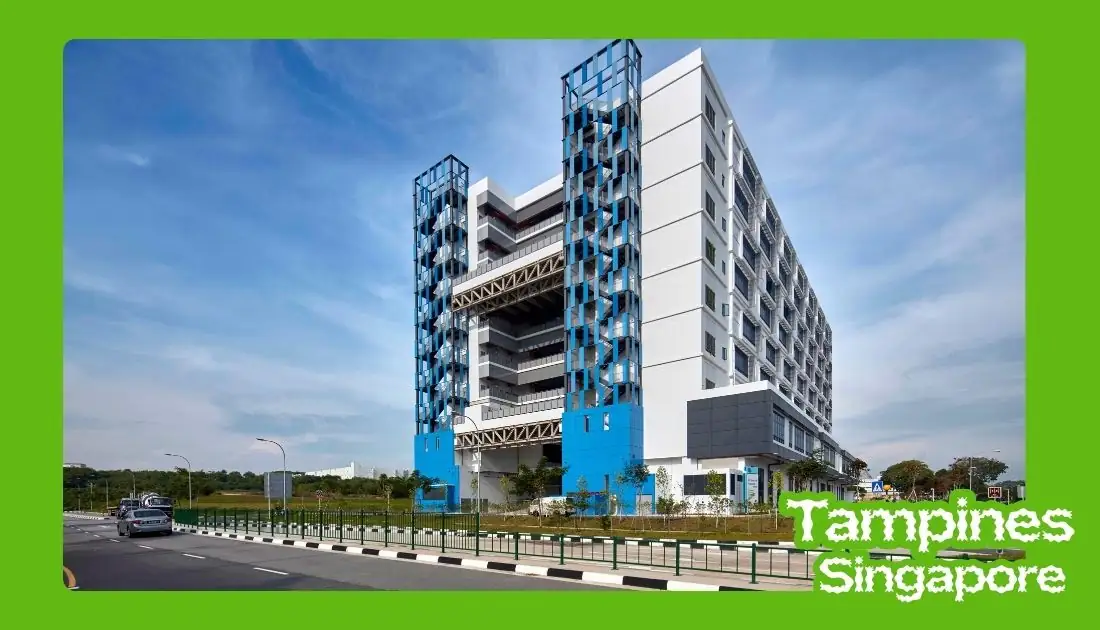
JTC Space @ Tampines North is a modern industrial and commercial development in the growing Tampines North precinct, developed by JTC Corporation as a multi tenanted facility designed to support SMEs, light industrial businesses, and trade related companies. It offers flexible industrial spaces combined with essential amenities, positioning itself as a functional yet accessible eastern Singapore base for companies, and it sits strategically near major expressways and residential areas, which adds convenience for both employees and clients.
Why the Location Makes Sense for Businesses
From a business perspective, the Tampines North location is interesting because it combines an industrial environment with a well developed surrounding town. Businesses don’t operate in isolation, employees need transport, food, banking, and other everyday conveniences, and clients or suppliers need to be able to reach the premises easily. That’s why I can understand the appeal of basing a business in this part of Singapore. For SMEs in particular, the practical nature of an industrial development can matter more than having a prestigious central city address.
JTC Space @ Tampines North plays a real role in strengthening Singapore’s SME landscape by offering affordable and flexible industrial units, letting startups and growing businesses establish operations without the high overhead costs of central commercial districts. It supports a wide range of industries, including logistics, light manufacturing, e-commerce storage, engineering services, and trade related activities, with units typically designed for practical loading access, cargo lifts, and high ceilings suited to operational efficiency. JTC’s oversight also ensures compliance with industrial zoning regulations and building standards, giving tenants a structured, professionally managed environment.
Building Infrastructure

The development features multiple passenger and cargo lifts, ensuring efficient vertical movement for staff, visitors, and goods, with each floor built to high floor loading capacity to accommodate heavy equipment and storage needs. Fire exits and clearly marked safety signage run throughout the building to meet strict safety regulations, and utility and service areas, including maintenance rooms and electrical panels, are integrated into the overall design. Wide corridors and strategically planned loading and unloading zones support smooth operations for workshops, offices, and storage units, balancing durability, functionality, and safety across the building.
Rental and Commercial Opportunities
JTC Space @ Tampines North presents versatile rental options for businesses and industrial users seeking scalable premises, accommodating light industrial operations, storage, workshops, and office support functions. Flexible leasing arrangements allow companies to secure spaces meeting both short term and long term needs, whether you’re a startup, a growing enterprise, or an established business looking to expand or relocate.
Available Unit Types
Unit types include light industrial spaces suited to assembly and fabrication, B1 industrial units for business operations, storage facilities for warehousing needs, and workshop style layouts for technical or production activities. Units are designed to accommodate both small startups and larger operational teams, many with high floor loading capacity and direct access to cargo lifts for heavy equipment or frequent material handling. Certain spaces also come with office partitions or mezzanine levels, letting businesses combine administrative and operational functions within a single unit.
I Would Not Choose a Unit Based on Size Alone
If I were considering a unit here for a business, one of the first lessons I’d keep in mind is that the largest unit isn’t necessarily the most suitable one. I’d think about how the business actually operates, does it need storage, will goods be delivered regularly, is equipment involved, does it need workshop space, will customers visit, how many employees need to use the space, is office space required alongside operational space, does the business need easy loading access, and will the company need to expand later. These questions would matter more to me than simply comparing floor areas.
Loading and Goods Movement
For an industrial tenant, moving goods can be one of the most important practical considerations. If I were looking at a unit for storage, e-commerce, manufacturing support, engineering, or another operational business, I’d want to understand exactly how deliveries move through the building. I’d check the available loading arrangements, cargo lift access, delivery routes, vehicle restrictions, and the practical distance between loading areas and the unit itself. A unit can look perfect on a floor plan but work very differently once the business starts receiving regular deliveries.
Visit the Actual Unit Before Renting
This is probably the most practical advice I’d give a business owner considering a space here. I wouldn’t make a final decision based only on photographs, a listing, or a floor plan, I’d want to see the actual unit. During the visit, I’d look at natural light, ceiling height, column placement, access points, lift locations, loading arrangements, power availability, existing partitions, storage possibilities, staff movement, customer access, noise levels, and surrounding tenants. These details can make a major difference once a business is actually operating.
Using the Floor Plan as a Planning Tool
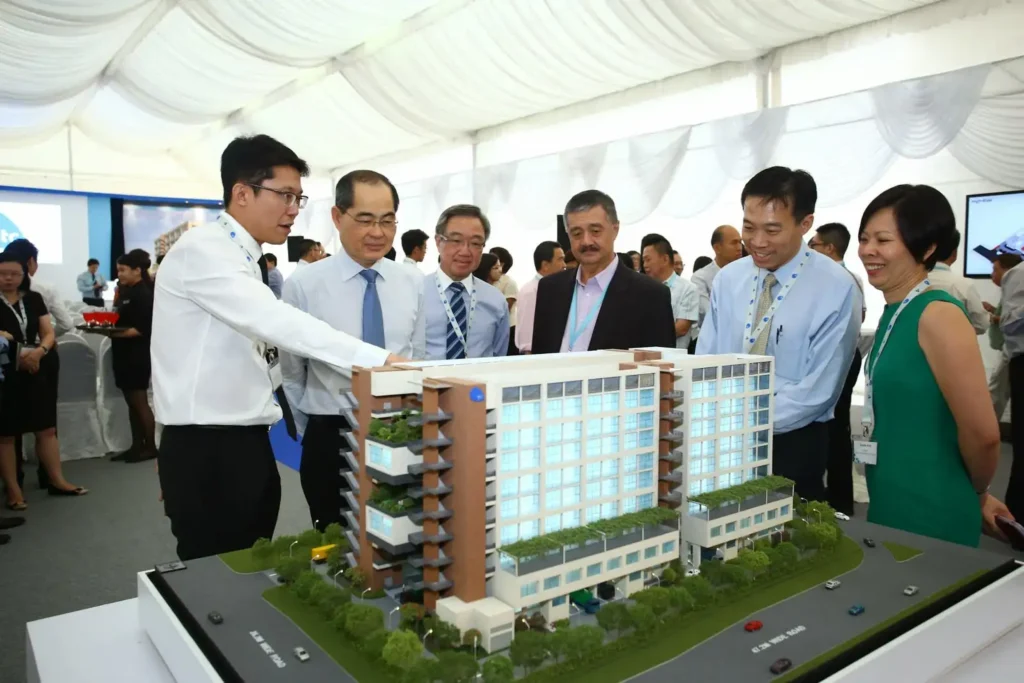
I’d also use the floor plan as a planning tool rather than simply looking at the number of square metres. For an office based business, the layout might determine where desks, meeting areas, storage, and reception space can go. For an industrial business, the location of lifts, loading areas, columns, equipment zones, and storage areas may matter much more. If I were seriously considering a unit, I’d take the floor plan with me during the site visit and compare it directly against the physical space.
The building is structured to accommodate multiple tenants across several levels, with ground floor units typically suited to heavier loading activities and upper floor units accessible via cargo and passenger lifts, industrial units distributed in stacks with designated loading bays and service corridors. Common facilities include restrooms on each level, lift lobbies, stairwells, fire safety systems, and communal circulation spaces, with some levels including shared meeting areas or service rooms depending on the building’s design.
Confirming What the Unit Can Legally Be Used For
This is an important point for anyone looking at industrial property. I’d never assume that because a unit is advertised as an industrial or commercial space, my particular business activity is automatically permitted there. Before signing anything, I’d confirm the approved use, relevant zoning requirements, licensing conditions, and any restrictions that apply to the intended operation, particularly important if the business involves manufacturing, food, storage, machinery, chemicals, customer facing activities, or other regulated operations.
Renting Here Requires More Research Than Finding an Office
If I were renting an ordinary office, I might focus heavily on location, appearance, meeting rooms, and monthly cost. For an industrial space, I’d look at a much wider list, rent, utilities, fit out, loading, storage, parking, access, regulatory requirements, and staff convenience all together. The advertised rental price would only be one part of the overall calculation, and I’d also ask about lease terms, permitted modifications, maintenance responsibilities, deposits, renewal arrangements, and any other charges before committing to anything.
How to Inquire About Tenancy
Businesses interested in renting space here can submit inquiries through JTC’s official leasing channels, including their website or a dedicated leasing office, typically requiring a detailed business profile outlining intended use, operational requirements, and projected occupancy timelines, along with compliance documentation such as company registration certificates. Prospective tenants may also schedule site visits to assess unit layouts and accessibility. Because industrial units can change quickly as businesses move, expand, consolidate, or relocate, I wouldn’t assume a unit mentioned in an older listing is still available, if seriously interested, I’d contact JTC’s leasing channels directly to confirm current availability and eligibility, and ask whether my particular type of business is suitable for the space.
Job and Commercial Opportunities
Companies operating within JTC Space @ Tampines North often provide diverse employment opportunities, ranging from logistics and warehouse management to technical services, production roles, and administrative positions, with the industrial environment fostering professional growth particularly in manufacturing, supply chain management, and engineering support. Beyond employment, tenants benefit from commercial networking within the same complex. I wouldn’t assume every tenant is there specifically to network, but there’s genuine value in simply being surrounded by other businesses, neighbouring companies can sometimes become suppliers, service providers, customers, or professional contacts, which is one of the less obvious benefits of working within a shared commercial environment.
Food and Dining Options
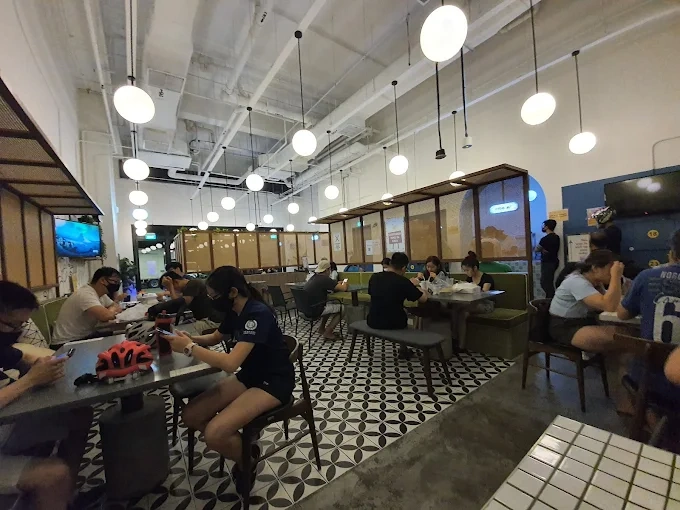
One thing I appreciate about developments in working areas is that food becomes a practical part of the workday. Employees don’t want to spend a huge amount of time travelling for lunch, especially with meetings or operational responsibilities to get back to. Some JTC industrial developments feature on site cafeterias or small food courts serving hot meals, beverages, and snacks efficiently, and for more variety, the wider Tampines North and Tampines Central areas offer hawker centres, coffee shops, casual restaurants, and mall based dining, all easily reachable by public transport or a short drive.
Local rice dishes, noodle bowls, and light snacks tend to be popular lunch choices, easy to eat on site or take away, while coffee shops see regular traffic for morning coffee or afternoon breaks. Delivery services are widely used in industrial estates too, letting teams order meals directly to their units, especially during busy periods, and some eateries offer meal bundles or catering for group lunches and meetings.
Food outlets here typically run during weekday business hours, aligning with standard office and industrial schedules, cafeterias usually open early for breakfast and continue through lunch before closing by late afternoon, and weekend service is often limited. For anyone working around JTC Space @ Tampines North, I’d check current operating hours rather than assume a particular cafeteria or eatery is open, especially outside normal weekday hours. If I were meeting someone here over lunch, I’d also think about timing, a lunchtime meeting can sound convenient, but industrial and business areas get busy when everyone takes their break at the same time, so for an important meeting I might arrange it slightly outside the busiest period where practical.
Tenant Amenities and On-Site Facilities
Well maintained restrooms are available on each floor, alongside accessible passenger and cargo lifts, with common areas designed for ease of navigation through clear directional signage and well lit corridors. On site amenities include food and beverage options, designated parking spaces, and loading and unloading zones supporting daily operations, and flexible unit layouts let tenants optimise their space for offices, workshops, storage, or light industrial use, with fire alarms, emergency lighting, and safety signage implemented throughout.
Navigation Tips for First-Time Visitors
If I were visiting for a meeting, I’d look for the building directory as soon as I arrived. Industrial developments can have many businesses operating under one address, so knowing the unit number beforehand is extremely helpful, I’d save it on my phone rather than relying only on the company name. Checking building directories near main entrances, identifying unit numbers beforehand, and noting nearby landmarks all simplify navigation considerably. If I couldn’t find the unit easily, I’d ask building staff rather than walking through areas that may be restricted to tenants or authorised personnel.
Arriving slightly earlier allows extra time for security check ins, visitor registration, or waiting for a lift during peak hours. If I had an important business appointment here, I’d avoid arriving exactly at the appointment time, that extra few minutes to find the entrance, locate parking, find the correct floor, and complete any registration could make the difference between arriving relaxed and arriving frustrated.
Safety and Loading Areas
Because this is an industrial and commercial environment, I’d pay more attention to safety signage than I might in a shopping centre. There may be areas intended only for employees, contractors, delivery personnel, or authorised visitors, so I’d follow posted instructions, stay within permitted visitor areas, and ask before entering operational spaces. Loading areas specifically are operational spaces, not ordinary pedestrian areas, if visiting for a meeting, I’d follow the marked pedestrian routes and avoid standing in loading zones or delivery access areas, and if arranging a delivery myself, I’d ask the tenant for the correct instructions beforehand.
How to Get There
JTC Space @ Tampines North is accessible via major expressways, including the Tampines Expressway and Pan Island Expressway, making it straightforward for drivers coming from various parts of Singapore. For public transport, several bus services connect Tampines North to Tampines MRT station, providing a link to the city and surrounding areas, and taxi or ride hailing services offer direct drop off at the building’s main entrance.
For employees who travel regularly, public transport can be an important part of deciding whether a workplace is convenient. If I were visiting from another part of Singapore, I’d plan the complete journey rather than looking only at the nearest MRT station, checking the MRT connection, bus route, walking distance, and the final entrance to the building. Since Tampines North continues to develop, I’d use current transport information rather than relying on an old route description.
Parking and Visitor Access
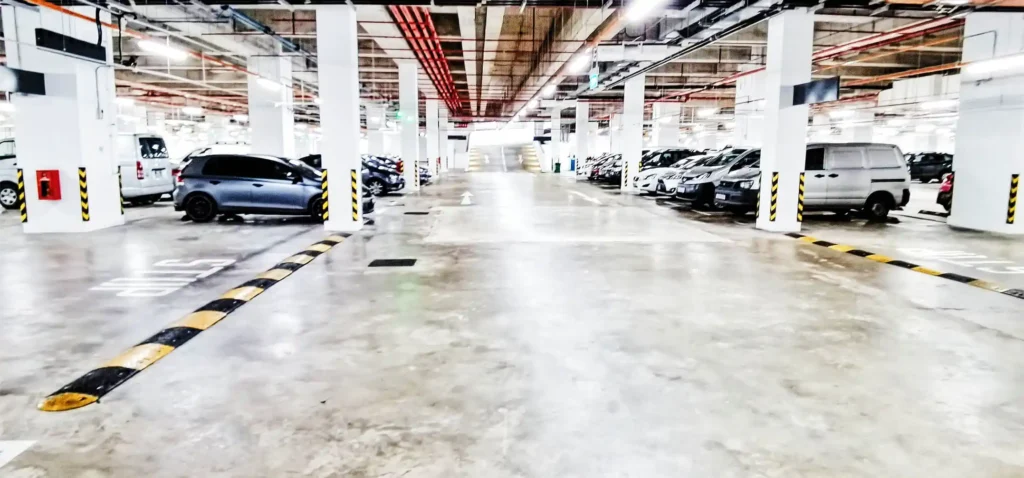
On site parking is typically available for tenants and visitors, subject to lot availability, with rates generally charged hourly and possible season parking options for tenants. Visitors should check for height restrictions if driving larger vehicles, and alternative parking may be available in nearby industrial buildings or public car parks within Tampines North.
If I were driving here, parking would be one of the first practical details I’d check rather than assume. Industrial developments have a different pattern of vehicle movement compared with shopping malls, employees, visitors, delivery vehicles, and commercial vehicles can all have different requirements. I’d check where visitor parking is located, whether it’s likely to be available at the time I plan to arrive, any vehicle height restrictions, loading and unloading rules, whether commercial vehicles have separate arrangements, and current parking charges, particularly before bringing a larger vehicle or arranging a delivery.
Would This Be Useful for a Casual Visit?
I’d make this distinction very clear for anyone reading a guide like this. JTC Space @ Tampines North is primarily useful when you have a business reason to be there, a meeting, appointment, delivery, site inspection, or tenancy enquiry. If you’re simply looking for things to do in Tampines, I’d point you instead toward the area’s shopping malls, parks, restaurants, and community spaces. That distinction helps set the right expectations before visiting.
Thinking About Future Growth
If I were choosing a business unit here, I wouldn’t only think about what I need today, I’d ask what the business might need two or three years from now. If the company expects more staff, more stock, more equipment, or higher delivery volumes, a unit that feels perfect today may become restrictive later. I’d compare current requirements against the company’s realistic growth plans, which could influence whether I choose a smaller unit now or look for a layout that gives the business more room to develop.
My Practical Checklist Before Visiting
If I were heading to JTC Space @ Tampines North for the first time, I’d have these details ready:
- Exact company or tenant name
- Unit number
- Appointment time
- Contact person’s phone number
- Correct building entrance
- Public transport or driving route
- Parking information if driving
- Visitor registration requirements
- Delivery instructions if bringing goods
- Any safety requirements
- Current opening or access hours
- Whether the business is actually operating that day
For a simple meeting, this takes very little preparation but can prevent a lot of unnecessary confusion.
Frequently Asked Questions
What is JTC Space Tampines North?
A multi tenanted industrial development designed to support SMEs and light industrial businesses in the Tampines North precinct.
Where is JTC Space Tampines North located?
At 10 Tampines North Drive 4, Singapore 528553, within the Tampines North industrial precinct in eastern Singapore.
Is there parking available?
Yes, on site parking is generally available, subject to capacity, height restrictions, and applicable fees.
Are there food options within the development?
Some developments include cafeterias, and additional eateries are available in the surrounding Tampines North area.
How can I rent a unit here?
Through JTC Corporation’s official leasing channels, submitting a business profile and tenancy application, with site visits available to assess suitability before committing.
My Overall Impression
JTC Space @ Tampines North represents a side of Tampines that’s easy to overlook when exploring the town. When I think about Tampines, I naturally think about malls, food, parks, MRT stations, and residential neighbourhoods, but developments like this show the business and industrial side of the town and how it supports companies operating in the east of Singapore.
For me, the main appeal isn’t entertainment, it’s functionality. If I were a business owner considering a unit here, I’d focus on the actual operational requirements, approved use, accessibility, loading arrangements, parking, tenancy terms, and future growth rather than judging the space simply by its appearance. And if I were visiting for a meeting, I’d prepare the exact unit number, confirm the appointment, check the route, and allow enough time to find my way around. That’s the approach I’d take with any industrial development, know exactly why you’re going, confirm the practical details beforehand, and treat the building as a working business environment rather than a conventional public attraction.