

Tampines Chinese Restaurant | Best Dining Guide
After mapping out the Japanese and Korean food scenes around Tampines, Chinese food felt like the obvious next one to look into properly — and it turned out to be a much bigger category than either of those two. Rather than assume every result from a general search was actually sitting in Tampines, I checked each restaurant’s confirmed address, since I’ve learned from the Korean food list specifically that “near Tampines” searches can quietly include places from entirely different neighbourhoods that just happen to show up in the same radius.
What I ended up with is ten Chinese restaurants I could confirm are genuinely in Tampines, spanning hot pot, dim sum, Hong Kong-style comfort food, Shanghainese buns, Sichuan cooking, halal-friendly noodle spots, and casual zi char. That’s a noticeably wider spread than either the Japanese or Korean lists, which makes sense once you think about it — “Chinese food” isn’t really one cuisine, it’s a whole family of regional cooking traditions, and Tampines turned out to represent more of that range than I expected going in.
Why Chinese Food Has Such a Strong Presence in Tampines
The first thing that stood out to me is how many different regional Chinese cuisines are represented here, rather than one generalised “Chinese food” category doing all the work. Hong Kong-style dim sum, Sichuan cooking, Shanghainese buns and noodles, Lanzhou beef noodles, and Hokkien-style zi char are all genuinely different culinary traditions with their own techniques, spice profiles, and typical dishes. Tampines has restaurants representing each of them rather than one catch-all restaurant trying to cover everything at once, which is a more interesting food landscape than I initially assumed a suburban town centre would have.
Most of what I found clusters around Tampines Mall, Century Square, and Tampines 1, with a couple of standalone spots further out in the neighbourhood, including one within Our Tampines Hub. That MRT-connected cluster does a lot of work here — it means comparing a hot pot restaurant against a dim sum specialist against a casual noodle stall is genuinely a short walk, not a special trip requiring its own planning.
Another thing I noticed is how much of this list splits along a fairly clear line: restaurants built for a proper group occasion, versus restaurants built for a quick, casual mall meal. That’s a useful distinction to keep in mind as you go through the list, since it changes what “Chinese food in Tampines” actually means depending on what kind of meal you’re after that day.
The Chinese Restaurants I Looked Into Around Tampines
Haidilao Hot Pot — The Group Dining Choice
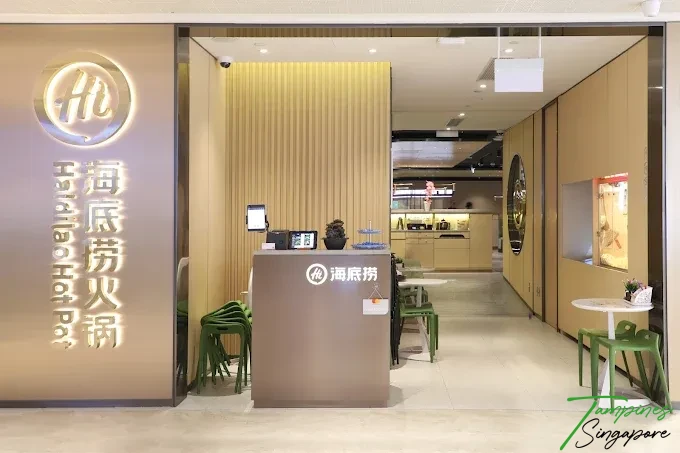
Haidilao is at Century Square, 2 Tampines Central 5. It’s part of a well-known Chinese hot pot chain, built around customisable broths and a cook-at-the-table format, along with the attentive, almost theatrical service the brand is known for more broadly — hot towels, small touches while you wait, that sort of thing, based on how the chain generally operates across its other outlets in Singapore.
I haven’t dined at this specific outlet myself, but based on how the brand operates elsewhere, this is the restaurant on this list best suited to a group meal, a birthday, or a celebration rather than a quick solo lunch, purely because of the interactive, shared nature of hot pot as a format. It’s also worth knowing that hot pot meals generally run longer than a typical restaurant sitting, so I’d plan accordingly if you’re on a tight schedule — this isn’t the option for a rushed weekday lunch.
Crystal Jade Hong Kong Kitchen — Hong Kong-Style Comfort Food
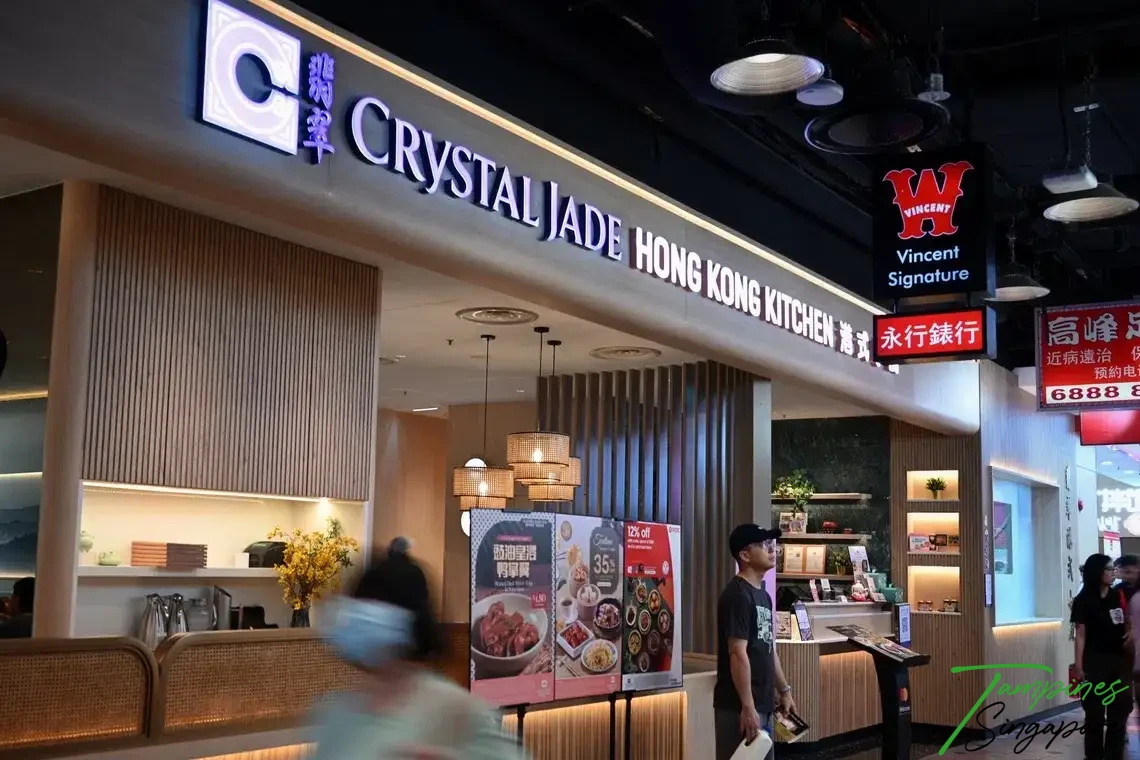
Located at Tampines Mall, Crystal Jade Hong Kong Kitchen is part of the broader Crystal Jade group, focused on Hong Kong-style dishes — think congee, roast meats, noodle soups, and general Cantonese comfort food rather than a dim sum-only concept. It’s a well-established name across Singapore with outlets in most major malls, so this is a fairly safe, familiar option if you want reliable Hong Kong-style food without experimenting with somewhere newer or less well known.
Because it’s part of a larger, established chain, I’d expect the menu and general quality to be fairly consistent with other Crystal Jade Hong Kong Kitchen outlets elsewhere in Singapore, which makes it a dependable choice if you’ve eaten at the brand before and know roughly what to expect.
Legendary Hong Kong — Large-Scale Dim Sum and Char-Grilled Meats
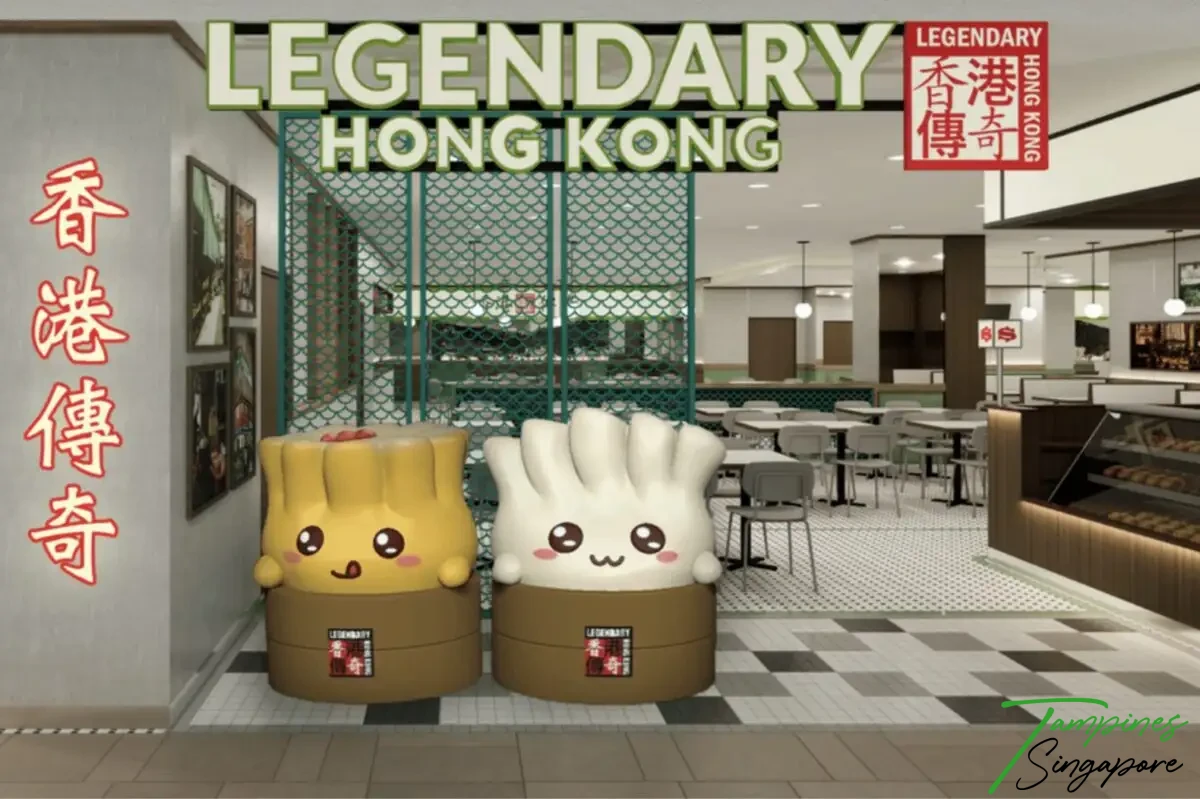
Also at Tampines Mall, this is a recent addition based on what I found — a large, roughly 188-seat outlet built around handmade dim sum and charcoal-grilled meats, alongside Hong Kong-style sharing plates. The scale of the space suggests it’s designed for bigger group visits rather than a quick solo bite, and the combination of dim sum and grilled meats in one menu makes it a bit more versatile than a dim sum-only restaurant if your group can’t agree on exactly what they want.
Given how recently this one opened based on the source I found, I’d treat menu details and pricing as particularly worth double-checking directly, since newer restaurants sometimes adjust their offerings in the first while after launch as they figure out what works.
Swee Choon Express — Dim Sum in a Smaller Format

Swee Choon Express is at Century Square. The original Swee Choon is a well-known late-night dim sum institution elsewhere in Singapore, and this “Express” version in Tampines appears to be a smaller-format offshoot of that brand, positioned as a more affordable, quicker dim sum option — roughly $10 per person based on what’s listed — rather than the full late-night dining hall experience of the flagship outlet.
If you know the original Swee Choon and are hoping for the exact same experience, it’s worth setting expectations around the word “Express” in the name — this sounds more like a streamlined, faster version built for a mall setting than a direct transplant of the original. Still, if dim sum from a recognised name is what you’re after without travelling to the original location, this is a convenient way to get it.
Ging Sun Ho King of Bun — Shanghainese Buns and Noodles
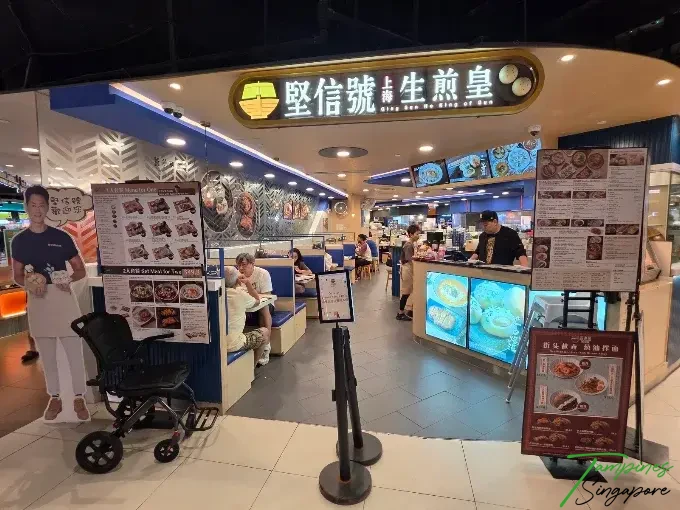
Located at Tampines Mall, #B1-K17 to 18, this one specialises in Shanghainese comfort food — soup-filled buns, dumplings, and noodle dishes, with items like Sichuan spicy wontons with chilli oil and pan-fried Shanghainese pork chop with fried rice on the menu, based on what’s publicly listed. It’s described as a casual, fast-moving setup, making it more of a quick mall meal than a sit-down restaurant occasion.
The fact that the menu blends Shanghainese buns with a Sichuan wonton dish suggests this isn’t a strictly single-region specialist, but more of a broader Chinese comfort-food menu with a Shanghainese focus. That’s worth knowing if you’re specifically chasing an authentic single-region experience versus just wanting good, familiar Chinese comfort food quickly.
Kuan Zhai Alley — Sichuan Cooking
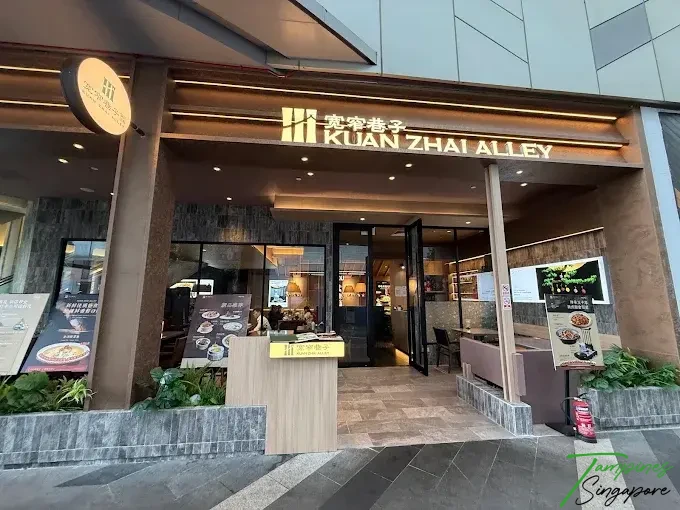
Also at Tampines Mall, Kuan Zhai Alley brings Chengdu-style Sichuan cooking to the mall, known for generous portions and homestyle claypot dishes based on what I found. It also operates as a two-in-one concept alongside a more casual counter-style offshoot, Kuan Zhai Wan Wan Xiang, under the same group — so depending on which side of the concept you end up at, you might get a full sit-down Sichuan restaurant experience or a faster, counter-service version of similar food.
If you specifically want Sichuan spice and the characteristic numbing chilli-oil flavours of that region’s cooking, rather than the more Cantonese-leaning approach of most of the rest of this list, this is the one restaurant built around that specifically. It’s a genuinely different flavour profile from everything else here, which is part of why I think it’s worth calling out on its own.
Tongue Tip Lanzhou Beef Noodles — Halal Lanzhou Noodles
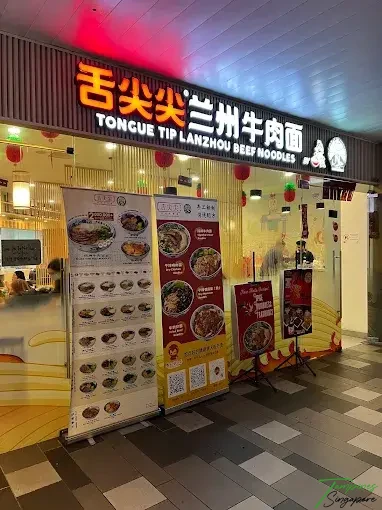
At Century Square, #01-42, 2 Tampines Central 5, Tongue Tip specialises in Lanzhou-style hand-pulled beef noodles — a specific regional Chinese noodle tradition, originating from Lanzhou in northwestern China, that’s genuinely a bit different from the Cantonese-leaning restaurants elsewhere on this list. Lanzhou beef noodles are traditionally built around a clear, slow-simmered beef broth and hand-pulled noodles, rather than the wheat or egg noodles more commonly associated with southern Chinese cooking.
What makes this one worth flagging specifically is that it’s listed as halal, which is a fairly small category within Chinese noodle restaurants in Singapore generally — halal-certified options built around a specific regional Chinese noodle tradition rather than a more generic “Chinese food” menu aren’t especially common, so this is a genuinely useful find if that combination matters to you.
Núodle — Halal Chinese With Delivery
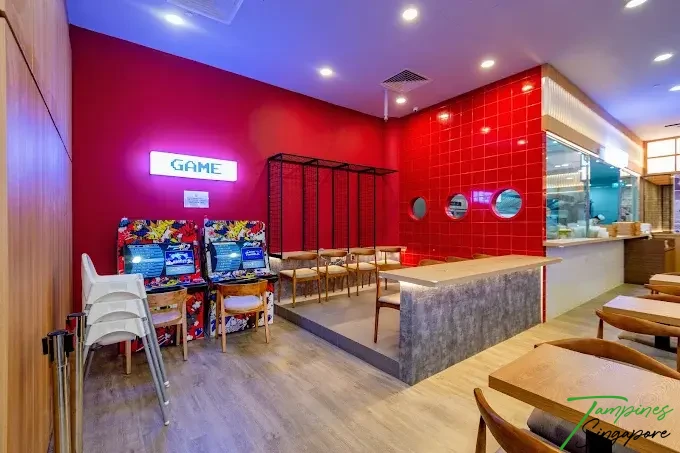
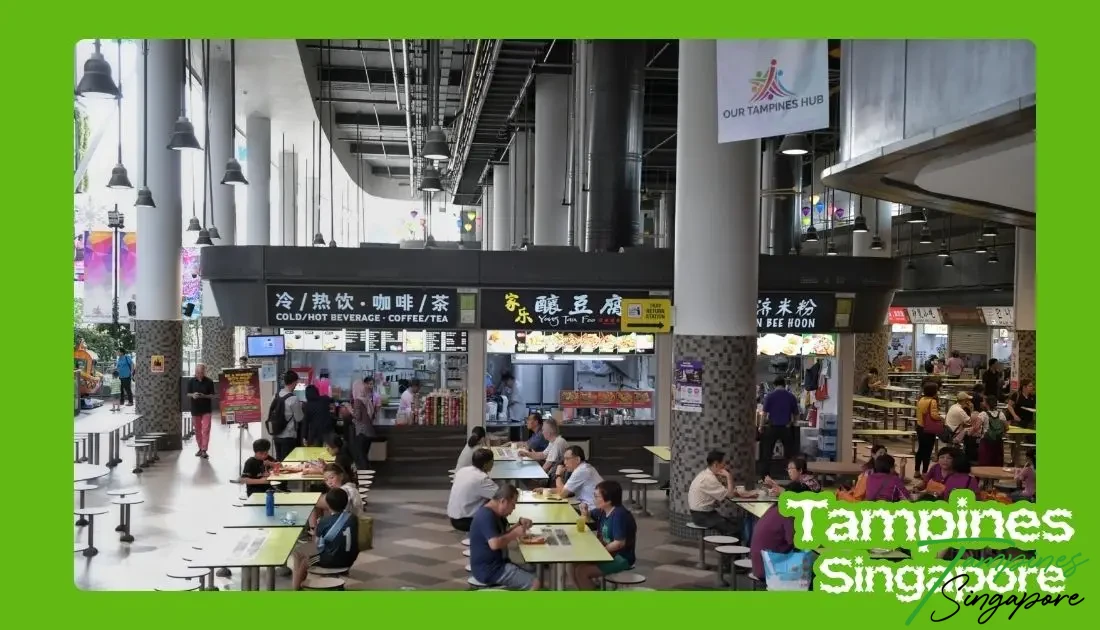
Located within Our Tampines Hub, Núodle is another halal-friendly Chinese option, with delivery available alongside dine-in. I wasn’t able to confirm the specific dishes it’s known for, so I’d check its current menu directly, but it’s worth knowing about specifically for the halal angle if that’s a requirement for you and Tongue Tip’s Lanzhou-style noodles aren’t quite what you’re after that day.
Being within Our Tampines Hub rather than the main mall cluster also means it’s a slightly different trip logistically — worth considering if you’re already heading there for another reason, such as the library, sports facilities, or other amenities within the Hub, rather than planning a dedicated visit purely for the food.
Alley Wei — Casual Noodles and Pau
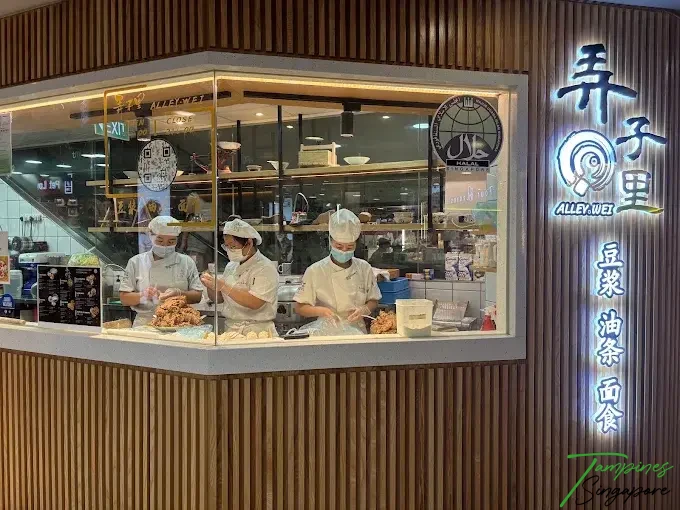
Alley Wei has an outlet at Tampines Mall’s basement level, near the escalator. Based on what’s been reported, it’s a casual, clean setup serving items like beef noodle soup, pan-fried chicken pau, and cold soybean milk — closer to a quick, everyday meal than a proper restaurant sit-down. Reported pricing for individual items sits in a fairly affordable range, which fits the overall positioning as a fast, casual option rather than a destination restaurant.
This is a good option if you want something fast and simple rather than a full Chinese restaurant experience — the kind of place you’d stop at between errands rather than plan an entire meal around.
Tun Xiang Hokkien Delights — Hokkien and Zi Char (Unconfirmed Current Status)
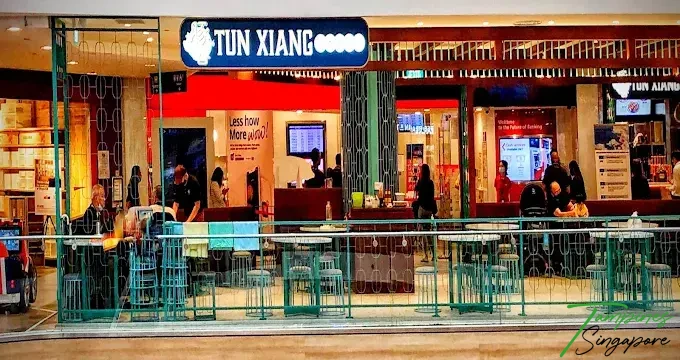
Tun Xiang was reported as opening at Tampines 1, #03-K1, focused on elevated Hokkien hawker fare and zi char dishes, including a well-regarded Hokkien mee cooked with umami prawn stock, according to the source I found. I want to flag this one specifically: the source dates to 2023, and mall tenant lineups in Singapore change fairly often, especially for smaller kiosk-style units, so I can’t confirm whether this outlet is still operating at Tampines 1 today.
I’d check the Tampines 1 directory directly, or search for more recent mentions, before treating this as current information. I’ve kept it on the list because the original source was specific and credible, but I’d rather be upfront about the currency issue than quietly present three-year-old information as though it were confirmed today.
What Stood Out About the Range
Ten restaurants is a noticeably wider spread than either the Japanese or Korean lists I put together, and the range within Chinese food specifically is broader too. Haidilao and Legendary Hong Kong are built for bigger group occasions, with hot pot and a large dim sum-and-grill format respectively. Crystal Jade and Swee Choon Express sit in the middle — familiar, reliable, not necessarily an event, but still a proper sit-down meal. Ging Sun Ho, Alley Wei, and Tongue Tip are all closer to quick, casual meals than dedicated restaurant dining. And Kuan Zhai Alley stands out specifically for offering Sichuan flavours, which isn’t something the more Cantonese-leaning majority of this list covers at all.
That spread across formats — buffet-style hot pot, full-service dim sum, quick noodle counters, and regional specialists — is genuinely more varied than I expected from a single “Chinese food” search, and it’s part of why I think this category deserves more attention than treating it as one uniform cuisine.
Chinese Food for Different Situations
For a group meal or a celebration, Haidilao and Legendary Hong Kong are the two built for that scale — Haidilao if you specifically want the interactive hot pot format, Legendary Hong Kong if you’d rather have dim sum and grilled meats with more table-service structure.
For reliable, familiar Hong Kong-style comfort food without much risk involved, Crystal Jade is the safer choice, especially if you already know the brand from elsewhere in Singapore. If you want dim sum specifically without the full late-night dining hall experience of the original Swee Choon, the Express version covers that in a smaller, quicker format.
For something quick and casual on a mall visit, Ging Sun Ho, Alley Wei, and Tongue Tip all fit that role, each with a slightly different regional angle — Shanghainese comfort food, general noodles and pau, and Lanzhou beef noodles respectively. If you want Sichuan spice specifically, Kuan Zhai Alley is the one restaurant on this list built around that particular regional cuisine. And if halal certification is a requirement, Tongue Tip and Núodle are the two I found that address that directly, covering two different formats — sit-down Lanzhou noodles versus a Chinese menu with delivery available.
Where These Restaurants Sit in Tampines
Tampines Mall holds the largest share of this list — Crystal Jade Hong Kong Kitchen, Legendary Hong Kong, Ging Sun Ho King of Bun, Kuan Zhai Alley, and Alley Wei are all there, which makes it realistic to compare several of them in a single mall visit if you wanted to. Century Square has Haidilao, Swee Choon Express, and Tongue Tip, while Tampines 1 has Tun Xiang, assuming it’s still operating there. Núodle sits apart from the main mall cluster, within Our Tampines Hub, which is a bit further from the MRT-connected trio and worth planning as a slightly separate trip rather than folding it into a mall-hopping day.
A Note on Halal and Dietary Considerations
Tongue Tip Lanzhou Beef Noodles and Núodle are the two restaurants on this list I found specifically described as halal. For the rest, I wouldn’t assume halal status either way — Chinese cooking frequently involves pork, lard, or alcohol-based cooking wine in ways that aren’t always obvious from a dish’s name or general description, so I’d confirm directly with the restaurant rather than guessing based on the type of dish or cuisine style.
For vegetarian diners, the same caution applies. Dishes that look vegetable-based on a menu can still involve non-vegetarian stock, sauces, or shared cooking equipment, particularly in hot pot and zi char settings where broths and woks are often used across many different dishes. I’d ask directly at any of these restaurants rather than assuming based on how a dish is described.
A Note on How I Put This List Together
As with the Korean food list, this is based on checking each restaurant’s actual confirmed address and publicly available information, not firsthand visits. I’ve flagged Tun Xiang specifically because the source confirming it is a few years old, and I’d rather be upfront about that than present it as confirmed current information just to round out the list. For everything else here, addresses and unit numbers came from sources current enough that I’m reasonably confident they’re accurate, though I’d still treat exact opening hours and any specific menu prices as worth a final check before visiting, since these details shift over time even when a restaurant itself hasn’t gone anywhere.
How This Compares to the Japanese and Korean Food Scenes
Putting all three lists side by side, Chinese food clearly has the largest and most varied presence of the three cuisines in Tampines — ten confirmed restaurants against Japanese food’s ten-plus and Korean food’s seven, but with a noticeably wider spread of distinct regional styles within the Chinese list specifically. Japanese food in Tampines leans heavily into a handful of familiar formats — sushi, ramen, donburi, yakiniku — repeated across several restaurants each. Chinese food, by contrast, spreads itself across genuinely different regional traditions with less overlap between them, which makes the category feel broader even at a similar or smaller total restaurant count.
I don’t think that makes one cuisine objectively “better” represented than another — it’s more that they’re structured differently. If you want a lot of choice within one familiar format, like sushi, Japanese food in Tampines delivers that. If you want to sample genuinely distinct regional cooking traditions in one town centre, Chinese food does that more than either of the other two lists I’ve put together so far.
My Final Take
What surprised me most putting this together is just how much wider the Chinese food category is compared to Japanese or Korean food in the same area — not just in number of restaurants, but in the range of regional cuisines represented. Hot pot, Hong Kong-style comfort food, Shanghainese buns, Sichuan cooking, and Lanzhou noodles are genuinely different culinary traditions, and Tampines has a real option for each rather than one generic “Chinese restaurant” trying to cover everything at once.
If I had to point you toward a starting place, I’d say Crystal Jade Hong Kong Kitchen if you want something familiar and reliable without much research needed, or Haidilao if you’re planning a group meal and want the full interactive hot pot experience. And if you’re the type who likes trying something a bit less common, Tongue Tip’s Lanzhou beef noodles or Kuan Zhai Alley’s Sichuan cooking are the two I’d point to for something genuinely different from the more mainstream Cantonese-style options that dominate most Chinese food lists in Singapore.