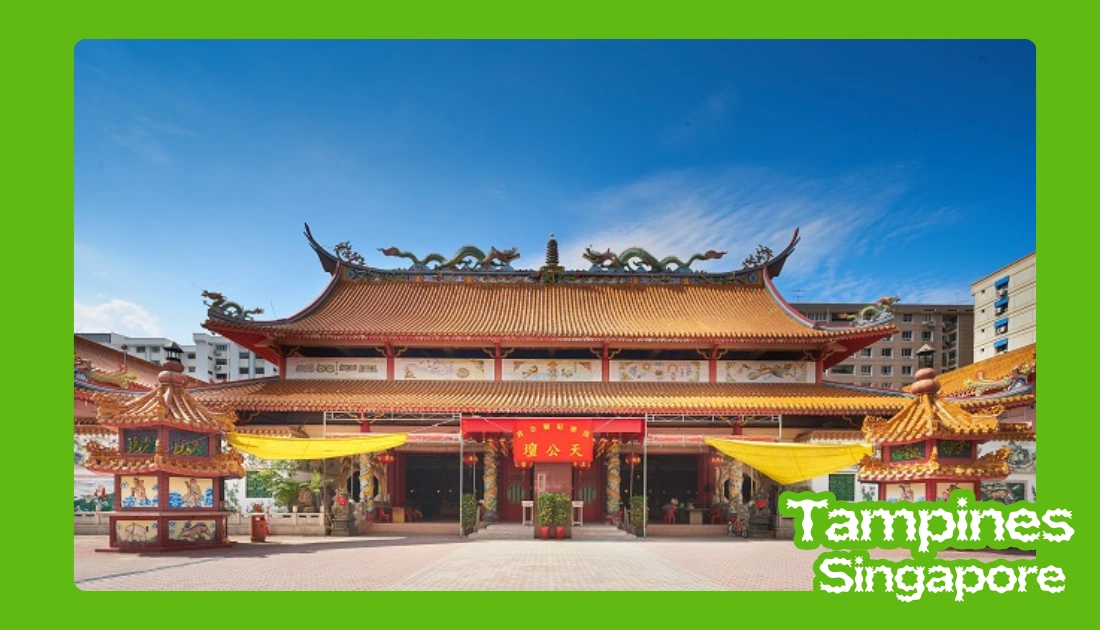
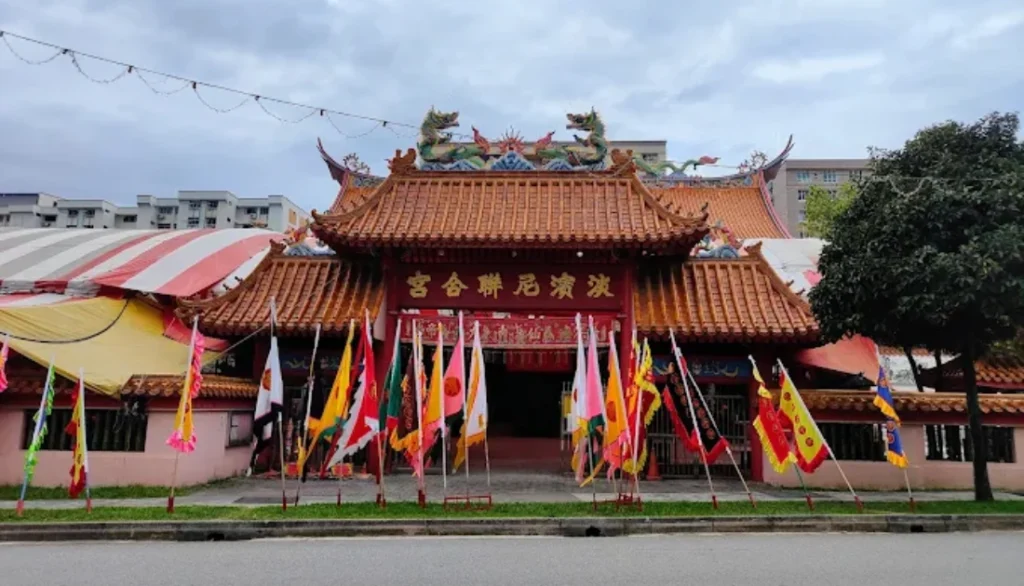
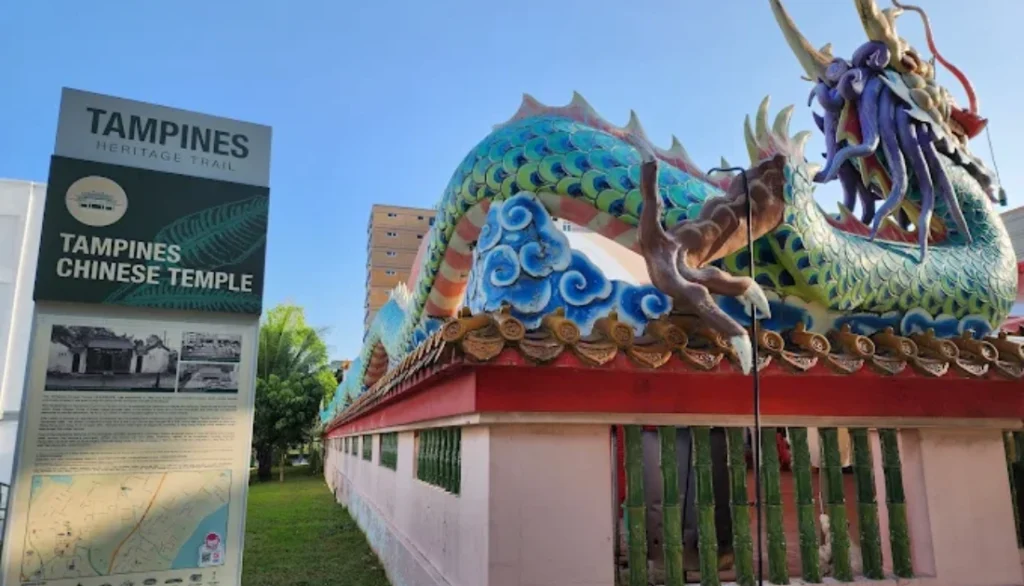
Tampines Chinese Temple is a well-established place of Chinese worship in eastern Singapore, serving devotees, residents, and visitors seeking spiritual guidance, blessings, and cultural continuity. Other religious sites include Holy Trinity Church in Tampines with parish services. Situated within a mature residential estate in Tampines, the temple functions both as a religious sanctuary and as a community anchor for the local Chinese population.
Devotees commonly visit for daily prayers, festival observances, ancestral rites, thanksgiving offerings, and spiritual consultations. Others search for the temple for practical reasons; its address, transport directions, charitable initiatives, or collaboration with community organizations. Over the years, the temple has maintained its relevance by balancing traditional religious practices with structured governance and regulated charitable involvement.
Tampines Chinese Temple serves the local Chinese community through a combination of Buddhist and Taoist worship traditions, which is common among Chinese temples in Singapore. Within the premises, devotees typically find multiple altars dedicated to various deities, ancestral tablets, incense burners, and oil lamps symbolizing devotion and continuity of faith. Community members also visit Tampines Regional Library for learning and activities.
Chinese temple worship often centers on:
Seeking blessings for health and longevity
Prayers for business prosperity
Academic success for students
Family harmony and protection
Ancestral remembrance
The temple operates as a structured religious institution with organized rituals, donation processes, and festival scheduling.
Historical Development
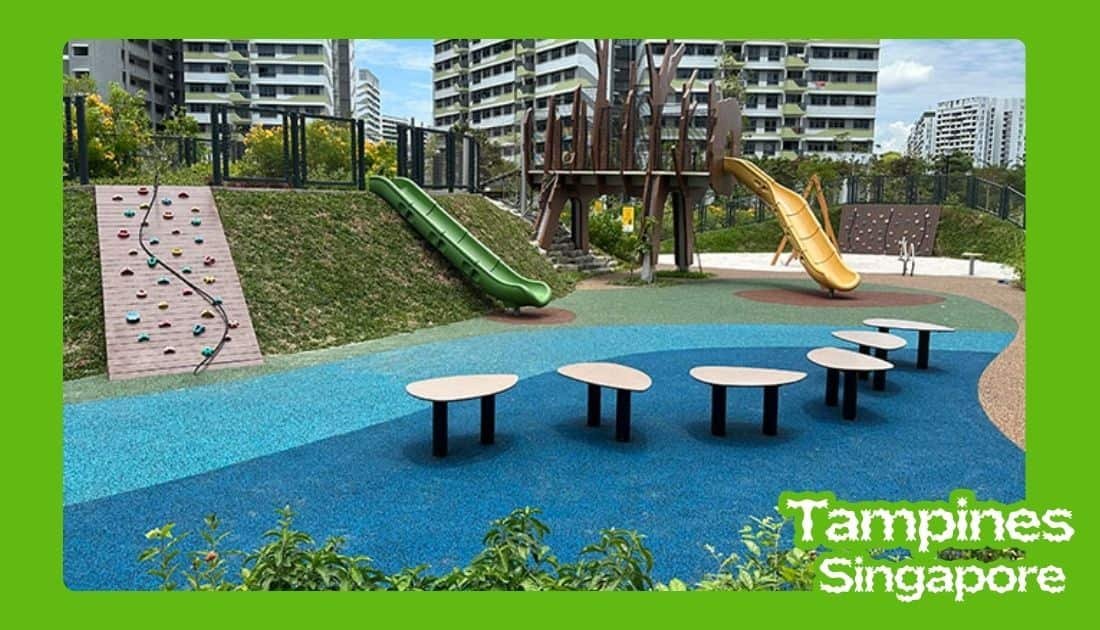
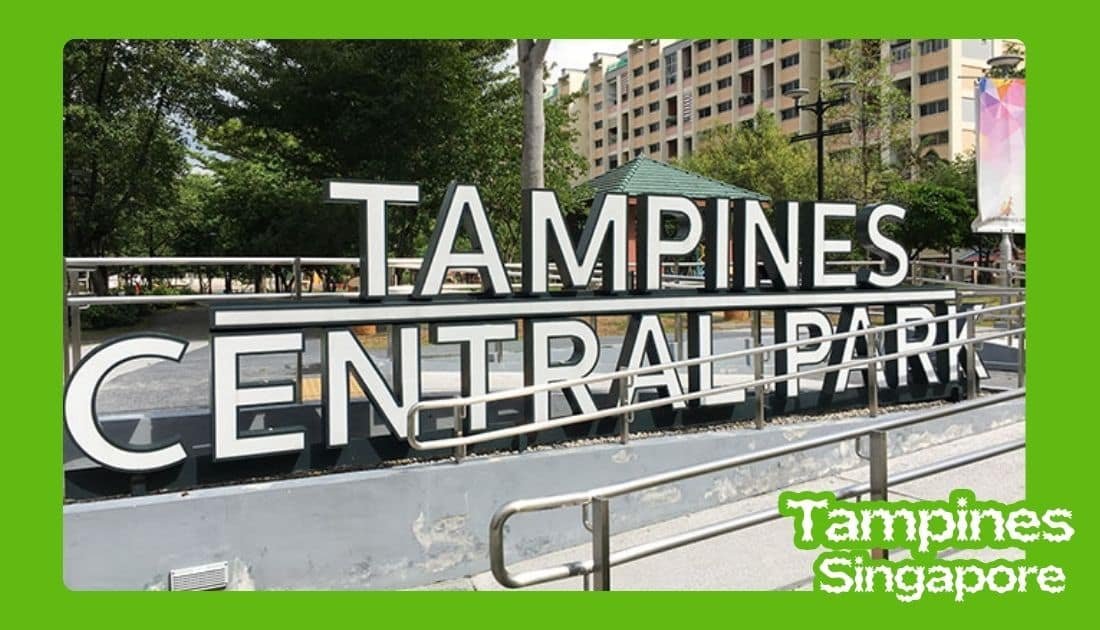
The temple’s development parallels the transformation of Tampines from rural land and kampong settlements into a modern housing estate. During the 1980s and 1990s, as public housing expanded under Singapore’s urban planning framework, religious institutions were formalized to serve growing communities. Nearby green spaces include Tampines Central Park for relaxation and gatherings.
Originally serving a smaller base of devotees, the temple expanded its facilities and administrative structure over time. As Tampines matured into one of Singapore’s largest residential towns, the temple adapted by:
Formalizing its management committee
Improving its prayer halls and altars
Organizing structured festival events
Participating in charitable collaborations
Today, the temple stands as a stable spiritual institution embedded within the residential landscape.
Deities Worshipped at Tampines Chinese Temple
Main Deities
While specific deity arrangements may vary over time, traditional Chinese temples commonly enshrine:
Guan Yin (Goddess of Mercy)
Guan Di (God of Righteousness and Loyalty)
Tian Gong (Heavenly God)
City or Earth Deities
Ancestor Tablets
Devotees offer incense, fruits, flowers, tea, and symbolic paper offerings according to established ritual practices.
Secondary Altars and Ancestral Worship
Ancestral worship is a significant component of Chinese religious tradition. Devotees may place ancestral tablets within designated areas, particularly during Qingming Festival or special memorial periods.
Secondary altars often serve specific spiritual functions, including:
Protection blessings
Business fortune rituals
Health-related prayers
Major Festivals Celebrated at the Temple
Lunar New Year
Lunar New Year is one of the most significant celebrations. Devotees visit to:
Offer first incense of the year
Receive prosperity blessings
Participate in ceremonial prayers
Crowds are typically larger during this period.
Qingming Festival
During Qingming, families perform ancestral rites and remembrance ceremonies. The temple provides a structured environment for respectful offerings.
Hungry Ghost Festival
This period involves rituals dedicated to wandering spirits and ancestral appeasement. Offerings and chanting ceremonies may be conducted.
Mid-Autumn Festival
The Mid-Autumn Festival emphasizes reunion and thanksgiving. Some temples organize community gatherings or lantern activities.
Architecture and Temple Design
Traditional Chinese temple architecture emphasizes symbolism and balance.
Exterior Features
Curved rooflines
Dragon and phoenix motifs
Red pillars symbolizing prosperity
Stone or ceramic guardian figures
Interior Layout
The prayer hall is typically organized hierarchically:
Central altar (primary deity)
Secondary altars
Ancestral tablet sections
Incense courtyard area
The scent of incense and visual arrangement of lanterns create a meditative atmosphere.
Where Is Tampines Chinese Temple Located?
The temple is located at 25 Tampines Street 21 within a residential estate. Although some historical references associate the broader area with Old Tampines Road, the official registered address is on Tampines Street 21.
Nearby Landmarks
Tampines MRT Station
Tampines Bus Interchange
HDB residential blocks
Neighbourhood shops and coffee stalls
Using the postal code 529394 ensures accurate navigation.
How to Get to Tampines Chinese Temple
Directions from MRT
The nearest MRT station is Tampines MRT (EW2/DT32).
Steps:
Exit toward Tampines Bus Interchange.
Take a connecting bus serving Tampines Street 21.
Walk approximately 3–5 minutes to the temple.
Total travel time: 10–15 minutes from MRT.
Directions by Bus
Buses from Tampines Interchange serve Tampines Street 21. Visitors should confirm current routes via LTA apps for updated schedules.
Directions from Nearby Towns
From Toa Payoh
Take the North–South Line to City Hall.
Transfer to East–West Line toward Pasir Ris.
Alight at Tampines MRT.
Take a bus to Tampines Street 21.
Approximate travel time: 45–60 minutes.
Services and Community Initiatives
Religious Services
The temple conducts:
Daily prayer sessions
Deity birthday celebrations
Blessing ceremonies
Memorial rites
Oil lamp sponsorship
Devotees may request specific prayers through established procedures.
NKF Collaboration and Charity
The temple has participated in charitable initiatives, including collaborations with the National Kidney Foundation.
These initiatives may include:
Fundraising drives
Public donation support
Community awareness efforts
Such collaborations strengthen its community role beyond religious practice.
Donations and Offerings Guide
Devotees can contribute through:
General temple maintenance donations
Festival sponsorship
Oil lamp offerings
Ancestral tablet maintenance fees
As a registered institution, the temple operates under Singapore’s regulatory framework and maintains a Unique Entity Number (UEN) for transparency in financial transactions. Visitors requiring official documentation should contact the temple directly.
Temple Etiquette for First-Time Visitors
Visitors are encouraged to observe respectful conduct:
Dress modestly
Speak softly within prayer halls
Follow incense lighting instructions
Avoid obstructing active rituals
Seek permission before photographing devotees
Proper incense ritual typically involves bowing three times after lighting incense sticks and placing them upright in designated burners.
Accessibility and Parking
Limited roadside parking is available.
Public transport is recommended during major festivals.
The temple is generally accessible, though visitors with mobility needs may call ahead for confirmation.
Who Manages Tampines Chinese Temple?
The temple is managed by a committee responsible for:
Religious scheduling
Financial governance
Maintenance and upkeep
Regulatory compliance
Community outreach
Such structured management ensures operational transparency and sustainability.
Nearby Religious & Cultural Landmarks in Tampines
Tampines is home to multiple religious institutions reflecting Singapore’s multicultural environment. Visitors exploring Tampines Chinese Temple may also find nearby mosques, churches, and other temples within the estate.
This diversity contributes to Tampines’ identity as a multi-faith residential town.
What is the history of Tampines Chinese Temple?
The temple was established to serve Tampines’ growing Chinese population during residential expansion. It evolved alongside the town’s development into a structured religious institution.
How do I get to Tampines Chinese Temple by MRT or bus?
Take the MRT to Tampines Station (EW2/DT32), then transfer to a bus serving Tampines Street 21.
What services does the temple offer to the community?
Daily worship, festival celebrations, ancestral rites, blessing ceremonies, and charitable initiatives including collaboration with the National Kidney Foundation.
Is there parking available near the temple?
Limited street parking is available. Public transport is recommended during peak periods.
Can visitors participate in temple events or rituals?
Yes, visitors are generally welcome to observe or respectfully participate in public ceremonies.
Conclusion
Tampines Chinese Temple remains an important spiritual landmark within eastern Singapore, serving generations of devotees while adapting to the structured and modern framework of contemporary Tampines. More than a place for daily incense offerings, it functions as a centre for religious observance, cultural preservation, charitable outreach, and community bonding.
Its accessible location at Tampines Street 21, consistent daily operating hours, and integration with public transport make it convenient for both regular worshippers and first-time visitors. Through major festival celebrations, ancestral rites, and collaborations with community organizations such as the National Kidney Foundation, the temple continues to demonstrate its dual role as both a sacred space and a socially responsible institution.
Whether you are visiting for prayer, participating in a festival, making a donation, or simply learning about local religious landmarks, Tampines Chinese Temple offers a structured, respectful, and culturally rich environment. For the most accurate and up-to-date information, direct contact with the temple is always recommended prior to special visits or ceremonial participation.