

My Experience Tampines Regional Library | Facilities & Directions
When I first started exploring Tampines, I quickly realised that Tampines Regional Library is much more than a place to borrow books. Its location inside Our Tampines Hub makes it part of a much larger community space, and that changes how I’d think about using it. I like the idea of a library where I can come for one reason and potentially stay for several others, find a book, spend some time reading, work on my laptop, bring a child along, or simply have a quieter break from the busier parts of Tampines. That flexibility is one of the things that makes this library stand out to me.
For anyone visiting Tampines for the first time, I wouldn’t treat the library as just another attraction to tick off a list. I’d look at it as one of the places that shows how everyday community life actually works in this town.
- Address: 1 Tampines Walk, #02-01 Our Tampines Hub, Singapore 528523
- Opening Hours:
Monday 10 am–5 pm Tuesday Closed Wednesday 10 am–9 pm Thursday 10 am–9 pm Friday 10 am–9 pm Saturday 10 am–9 pm Sunday 10 am–9 pm
I’d still check the current NLB information before visiting, since public holiday hours, special events, maintenance, and facility specific schedules can differ from the regular timetable, and I’d be especially careful about this if travelling from another part of Singapore specifically to use one particular facility.
More Than a Place to Borrow Books
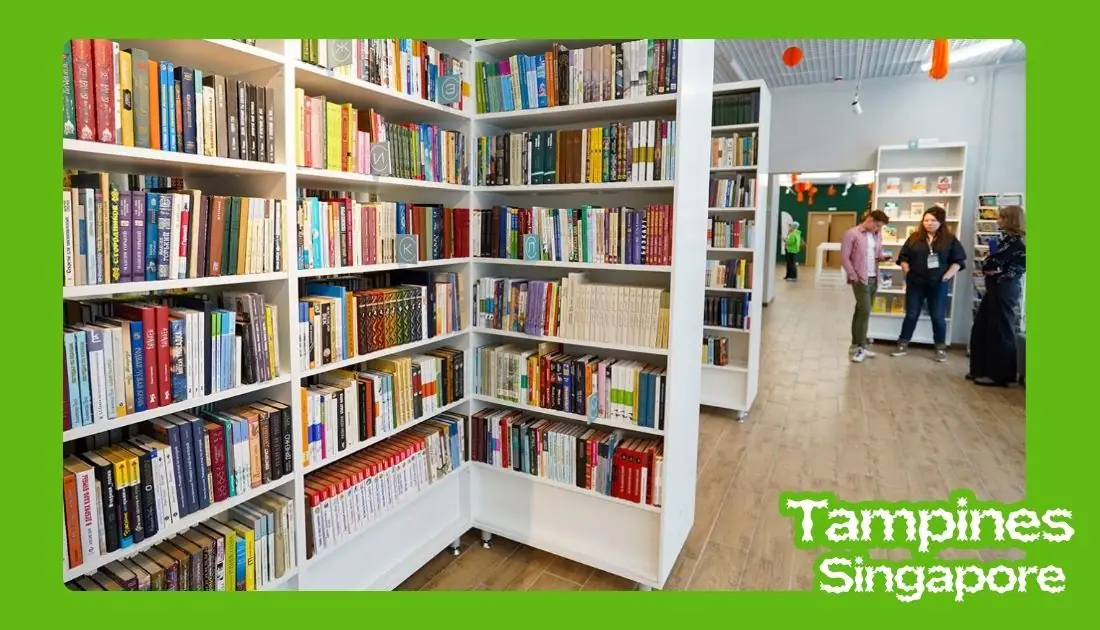
One of the biggest things I’d point out is the difference between this library and the traditional idea of a library. When I think of an older style library, I usually imagine rows of bookshelves, desks, and a quiet reading room. Tampines Regional Library goes well beyond that, the space is designed around reading, studying, technology, creativity, children’s activities, and community learning all at once.
That makes it useful for different age groups at the same time. A student can look for a quiet place to study, a parent can spend time with a child, someone working remotely can use the facilities for a while, and another visitor can simply browse books or attend a programme. I think that variety is particularly useful in a busy town like Tampines.
History and Development, Old vs New Library

The original Tampines Regional Library sat along Tampines Avenue and served residents for many years as a conventional public library focused on reading and borrowing. While well loved, it had limited space for group study, children’s play areas, and modern facilities.
In 2017, the library relocated to Our Tampines Hub and was reimagined as a next generation regional library. The new space expanded significantly in size and purpose, introducing study lounges, indoor playgrounds, maker spaces, culinary studios, and digital learning corners alongside the shelves of books, with an emphasis on openness, natural light, and multi use zones that support collaboration as much as quiet reading. This shift from book storage to community learning hub is what makes the current Tampines Regional Library one of the more dynamic public libraries in Singapore.
Planning a Visit Around What You Actually Need
If I were planning a visit, I’d first decide what I actually wanted to use the library for. If my priority were studying, I’d look for the quieter seating areas rather than choosing a seat based only on how comfortable it looks. If I were meeting someone for a project, I’d look for a more suitable collaborative space where conversation is appropriate. If I were bringing children, I’d focus more on the family friendly and interactive areas. And if I simply wanted to browse books, I’d give myself more time rather than rushing through the library.
That sounds simple, but it genuinely makes the visit easier. A large library can feel overwhelming when you arrive without knowing what you actually want to do there.
Study Areas and Lounges

For students, I think the study facilities are one of the most genuinely practical parts of the library. There’s a real difference between sitting somewhere with a laptop and having an environment that actually encourages concentration, a library naturally creates a different atmosphere from a café or shopping mall. I’d consider Tampines Regional Library when I need dedicated time for reading, revision, research, or focused computer work.
The variety of seating arrangements is also useful, since not everyone studies the same way. Quiet study zones feature individual desks and carrels, creating a calm environment for focused work, with phones expected on silent and conversation discouraged. For collaborative work, group discussion areas offer larger tables, whiteboards, and open layouts where small teams can brainstorm and plan without disturbing the silent zones nearby. And lounge style seating, including cushioned chairs and window seats, adds a more relaxed option for light reading, laptop work, or short breaks between tasks.
Quiet Study Zones
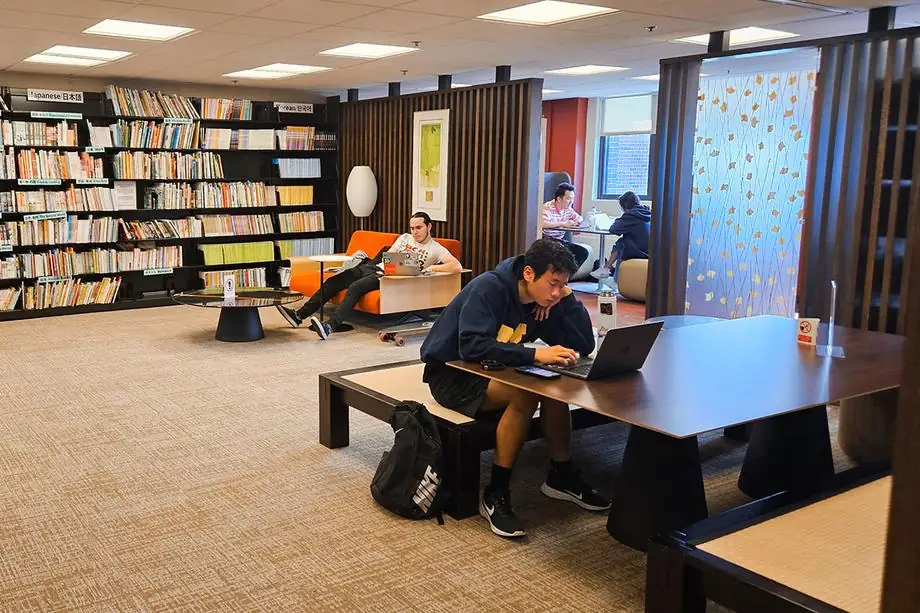
If I were a student preparing for an important exam, I’d pay particular attention to these quieter areas, spaced individual desks and carrels designed for maximum concentration, monitored to keep the silence policy in place. But I’d also remember that a library is a shared public space, and even a section designed for quiet study can fill up depending on the day and time. I wouldn’t assume a particular seat or section will always be available, and if I had an important study session planned, I’d build in some flexibility rather than arriving at the last minute expecting to find my preferred spot immediately.
Group Discussion Areas
I also like that the library isn’t limited to individual study. Group assignments can be genuinely difficult when everyone’s trying to work from home or meet in a noisy commercial space, and having collaborative areas gives students another option, larger tables, whiteboards, and layouts designed for discussion, positioned to keep noise from spilling into the quiet zones nearby. If I were working on a group project, I’d choose one of these areas rather than trying to turn a quiet reading zone into an informal meeting room, a small distinction that makes a real difference in a shared space like this.
Indoor Playgrounds and Children’s Areas

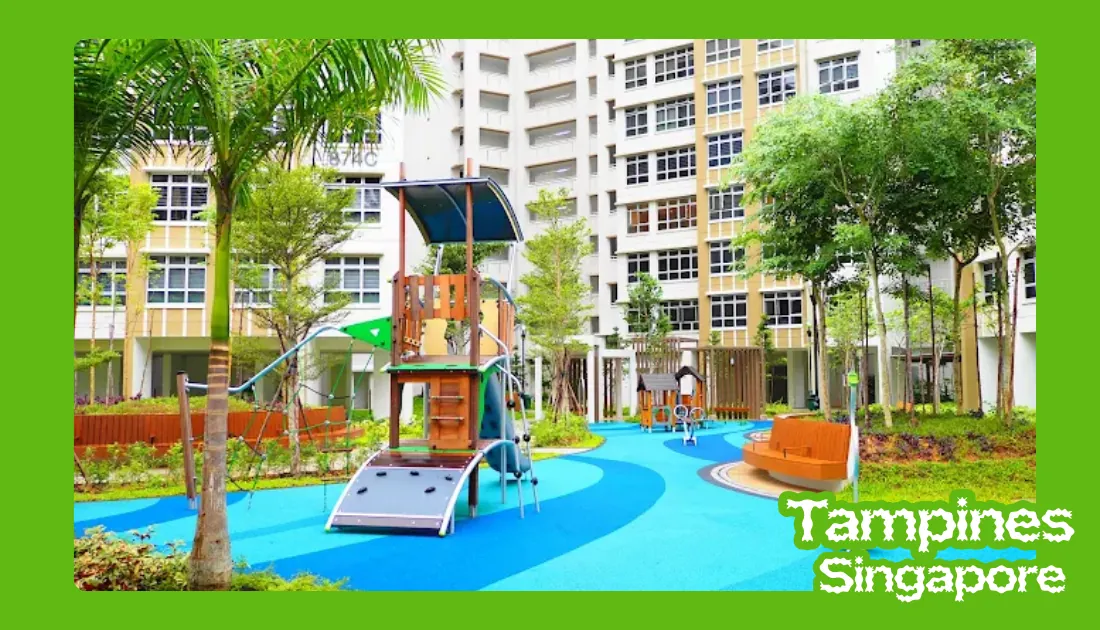
The family facilities make this library particularly interesting for parents. A library can sometimes be difficult for younger children because the traditional expectation of silence doesn’t always match how children naturally learn and explore, but the indoor playgrounds here combine play and learning, encouraging children to engage with books and reading materials interactively through soft play structures, colourful designs, and themed reading corners.
What I find interesting about combining play and reading is that it changes how children experience the library entirely, a child who isn’t interested in sitting down with a book for a long stretch may still become curious once books are connected to something playful. That makes the whole space feel more approachable for families.
I’d still check the current rules for the children’s areas and understand any supervision requirements before letting a child use the facilities, and I wouldn’t assume every activity is available every day, since programmes and special activities can run on their own schedules. Safety measures in these zones include cushioned flooring, rounded edges on structures, and secure layouts, with clear signage reminding caregivers that children must be supervised at all times. Staff monitor the areas regularly, but adult oversight remains essential, so I wouldn’t treat an indoor play area as somewhere to leave children unattended.
Technology and Printing Services
The technology facilities are another reason I’d include this library in a practical Tampines guide. Public computers, free Wi-Fi, self service printing, scanning, and copying, plus 3D printing available through booking or organised workshops, can genuinely save a trip elsewhere for students working on assignments. The digital catalogue lets you search for, reserve, and locate books efficiently, and self checkout machines cut down waiting time at service counters. Charging points and power sockets are placed at convenient spots throughout, supporting laptop and device use across the facility.
This is one detail I think visitors sometimes overlook, a library may offer several technology related services, but that doesn’t necessarily mean every machine, workshop, or specialist facility can be used immediately without registration. For something like a 3D printing activity or a specific workshop, I’d check the current requirements first, especially if I were travelling to Tampines specifically for one particular service.
Cooking and Culinary Studios

The cooking and culinary facilities are probably the feature that would make me look twice at this library. Cooking isn’t the first thing that comes to mind when someone says public library, which is exactly why I find it interesting. The fully equipped culinary studio hosts regular cooking classes, nutrition workshops, and baking sessions for adults and children, with induction stoves, preparation counters, and demonstration seating turning the library into a genuinely practical learning space beyond books.
If I wanted to attend one of these activities, I’d check the NLB event listings beforehand, since workshops usually have their own registration requirements, dates, and availability, and this is worth checking regardless of what draws you here specifically.
Events and Programmes
The library hosts a wide range of events designed to engage all age groups. For children, storytelling sessions, seasonal reading challenges, and interactive activities encourage literacy and early learning, with special programmes organised during school holidays. Adults can benefit from digital literacy workshops, health and wellness talks, skill based training, cooking demonstrations, and hobby classes, alongside talks and interactive sessions featuring authors, experts, and community leaders. Most programmes are free or require simple registration, and the calendar is updated regularly.
This is something I’d recommend checking before making a special trip specifically for an activity. Instead of arriving and hoping something interesting is happening, I’d check the current programme schedule first, since talks, workshops, and children’s activities can change from week to week. If a particular event is the main reason for my visit, I’d confirm the date and registration details before travelling.
Book Returns and Self-Service
For regular library users, I think the practical borrowing and returning facilities matter just as much as the more unusual features. Book drops are located near the main entrance, letting you return books even after library hours, with the automated system updating your account instantly and confirming the return. Self collection lockers are available for reserved items, letting you pick up books at a time that suits you rather than waiting at a service counter, with notifications sent when an item is ready. Late fees may apply if items are returned past their due date, so timely returns are worth keeping in mind.
If I already knew which book I wanted to collect or return, I wouldn’t necessarily treat the visit as a long library trip, I could combine it with other errands at Our Tampines Hub instead, which is one of the real advantages of this location. That said, I’d still check the current NLB guidance before making assumptions about after hours returns, exact locker locations, or how a particular item is processed, and the same goes for reserved item collection, since not every item necessarily follows the same process.
Building Structure

Tampines Regional Library is a multi level facility organised across several floors, each dedicated to specific purposes, which makes navigation reasonably intuitive once you know the layout. The ground floor typically houses the main entrance, reception, book returns, self collection lockers, and general reading areas, along with accessible facilities and information counters. Upper floors include quiet study zones, group discussion spaces, and lounge seating.
Children’s sections and indoor playgrounds are positioned to provide safe, interactive environments while keeping noise away from adult study areas, and specialised rooms such as workshops, meeting rooms, and multimedia studios support events and skill building programmes. Escalators, elevators, and staircases connect the floors, with clear signage guiding visitors to different zones, and power outlets, seating, and natural lighting are worked into the structure throughout.
Getting There
Because Our Tampines Hub is a large development, I wouldn’t simply think “I’m going to the library” and assume I’ll find the correct entrance immediately. I’d check the library’s exact location within the hub before arriving, especially on a first visit, and think about whether I’m coming by MRT, bus, car, or on foot, since the preferred entrance and route can change depending on where you’re starting from.
By MRT, take the East-West Line to Tampines MRT (EW2/DT32) or the Downtown Line to Tampines East (DT33), then walk or take a short bus ride to reach the library. Bus services run along main roads and neighbourhood routes with stops close to the library entrance, giving students, families, and commuters easy access. For those coming from other parts of Singapore, this MRT access makes the area relatively straightforward to plan around, though I’d still check the current route and walking directions before leaving rather than relying entirely on memory, especially if carrying books, travelling with children, or heading out in bad weather.
For visitors driving, the address can be entered into GPS or a ride hailing app, with parking facilities available nearby for cars and motorcycles. Pedestrians and cyclists can use the sheltered walkways and bike racks provided at the library.
Combining the Library With Other Tampines Activities
One thing I appreciate about exploring Tampines is that I rarely need to make every stop a completely separate trip. If I’m already spending time at Our Tampines Hub, I can add the library to the day without a major detour, and after studying or browsing books, I can continue on to other parts of Tampines. That makes the library particularly useful for visitors who want to experience the town beyond its shopping malls, and it’s genuinely one of the strongest practical points about this location for me, being able to combine a library visit with shopping, food, community services, sports, or an appointment nearby, rather than treating it as a standalone destination.
Public Holiday Schedule
Tampines Regional Library generally follows the operating calendar of Singapore’s public libraries, remaining open on most public holidays except for selected major ones, when hours may be shortened. On festive days such as Chinese New Year, Hari Raya Puasa, Deepavali, and Christmas, opening hours may differ from the regular schedule. Because it sits inside Our Tampines Hub, it benefits from extended accessibility compared with standalone libraries, though specific facilities like culinary studios or programme rooms may not operate during holidays. I’d check the National Library Board website before visiting on a public holiday to confirm exact timings, and if planning to study or attend an event during a holiday, arriving early is a good idea since seating fills up quickly.
Tips for Visitors
- Arrive early during peak hours to secure a seat in the quiet zones or lounge areas
- Bring your library card or the NLB app for borrowing, digital resources, and checking reservations
- Keep noise levels low in the designated quiet areas out of respect for other users
- Supervise children closely in the indoor playgrounds and reading corners
- Pre register for workshops, events, or 3D printing sessions to guarantee a spot
- Check the event schedule beforehand if a specific programme is the reason for your visit
- Carry a water bottle and a light sweater, since indoor areas can feel cool
Frequently Asked Questions
What are the opening hours for Tampines Regional Library?
Wednesday to Sunday, 10 am to 9 pm; Monday, 10 am to 5 pm; closed on Tuesdays. It’s worth checking NLB’s site for holiday variations.
Does Tampines Regional Library have an indoor playground?
Yes, there are dedicated child friendly play and reading zones designed to combine literacy with interactive play.
Can I print or use Wi-Fi at Tampines Hub Library?
Yes, free Wi-Fi, public computers, and self service printing, scanning, and copying are all available.
Where is the book drop at Tampines Library?
Near the main entrance, accessible even after regular hours.
Are there cooking classes at Tampines Library?
Yes, culinary workshops run regularly through the library’s cooking studio, with prior registration required via NLB event listings.
My Overall Impression
What stands out to me about Tampines Regional Library is how naturally it fits into the wider community. It isn’t simply a building filled with books, it combines reading, studying, technology, children’s activities, creative learning, workshops, and everyday community use. For students, the study environment can be the main draw. For families, the children’s facilities may matter more. For regular library users, convenient borrowing and returning services make everyday visits easier. And for visitors like me, the library is also an interesting way to see another side of Tampines beyond shopping and dining.
If I were writing a simple description of the place, I’d say Tampines Regional Library is one of those places that makes more sense once you think of it as a community learning space rather than just a library. Before visiting, I’d check the latest NLB opening hours, event schedule, facility availability, and any booking requirements, a small bit of preparation that makes the visit far more useful and helps avoid turning up expecting a particular service that isn’t available that day.