Attraction & Culture

Things To Do

Tampines Guide

About Me

Top

Tampines Bus Interchange | Guide to Bus Services, Map & Facilities
Tampines Bus Interchange

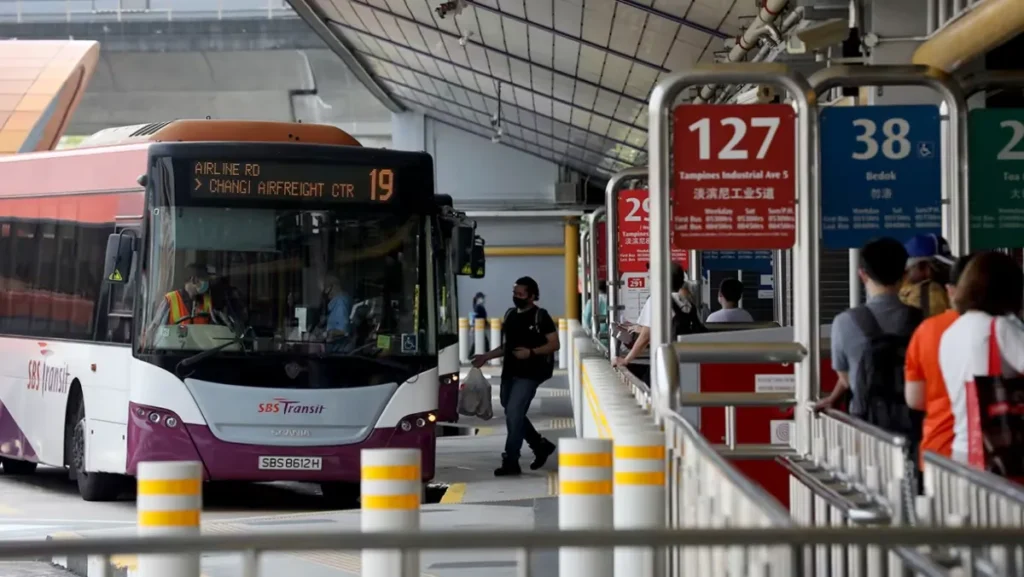
Tampines Bus Interchange is a major public transport hub in the eastern region of Singapore, serving the bustling residential and commercial town of Tampines. Strategically located in the town center near Tampines MRT Station, this interchange connects commuters to various parts of Singapore, including the city, Changi Airport, and northern regions like Punggol and Sengkang. It plays a crucial role in facilitating smooth transit for both daily commuters and occasional travelers.

The interchange is integrated with nearby shopping malls, including Tampines Mall, Century Square, and Our Tampines Hub, making it a convenient spot for shopping, dining, and other errands. Its design emphasizes commuter convenience, providing clear signage, sheltered waiting areas, and easy access to buses and MRT services. With a combination of efficiency, accessibility, and modern infrastructure, Tampines Bus Interchange is more than just a transit point, it serves as a community hub that supports the daily movement of thousands of residents and visitors alike.

History

Tampines Bus Interchange officially began operations in 1983 as part of Singapore’s effort to develop a comprehensive public transport network. Initially, it served the early residential clusters of Tampines New Town, providing residents with direct access to central Singapore and other towns in the east. Over the decades, the interchange underwent several major redevelopments to accommodate the growing population and increase in bus services.

In 1987, a larger facility was constructed to handle the increased bus volume and commuter demand. Subsequent upgrades focused on enhancing commuter comfort and operational efficiency, including better shelters, improved signage, and integration with MRT services. By the 2010s, Tampines Bus Interchange was transformed into a fully air-conditioned, modern facility with multiple berths to cater to both local and long-distance buses. Today, it stands as a symbol of Tampines’ growth, reflecting the evolution of Singapore’s public transport infrastructure while continuing to meet the daily needs of thousands of commuters.

Why It Is One of the Busiest Interchanges

Tampines Bus Interchange

Tampines Bus Interchange is one of Singapore’s busiest transport hubs due to its strategic location and extensive connectivity. Situated in the heart of Tampines, it serves a dense residential population as well as nearby commercial and recreational areas. The interchange connects multiple MRT lines, bus services, and long-distance routes, making it a key transfer point for commuters traveling to the city center, Changi Airport, and northern towns. The bus hub is directly connected to the MRT station serving Tampines.

High commuter traffic is also driven by nearby shopping malls, schools, and offices, which attract both residents and visitors throughout the day. Peak hours in the morning and evening see thousands of commuters using the interchange, while weekends and public holidays also contribute to heavy footfall due to retail and recreational activities. Its multiple berths and efficient bus scheduling allow it to handle a high volume of buses simultaneously. The combination of strategic location, connectivity, and daily demand ensures Tampines Bus Interchange remains one of the busiest and most vital transport hubs in Singapore.

Infrastructure

Tampines Bus Interchange Infrastructure​

The infrastructure at Tampines Bus Interchange is designed for efficiency and commuter convenience. It features multiple berths to accommodate a large number of buses operating on local and long-distance routes. The interchange is fully sheltered, with wide pedestrian pathways, clear signage, and designated boarding points to ensure smooth passenger flow. Accessibility features such as ramps, tactile guidance systems, and seating areas are included for elderly and differently-abled commuters.

 The integration with nearby MRT stations and shopping malls allows for seamless transfers. Essential services, such as ticketing counters, passenger assistance, and information kiosks, are conveniently located within the interchange. Modern bus scheduling technology is employed to optimize bus arrivals and departures, minimizing waiting times. Overall, the infrastructure combines functional design with commuter comfort to handle large crowds efficiently.

Modern Architecture

Tampines Bus Interchange showcases modern architectural design that emphasizes openness and functionality. The use of glass panels, steel structures, and clean lines provides a contemporary look while maximizing natural light. Large sheltered waiting areas with well-organized seating create a comfortable environment for commuters.

 The design allows clear sightlines to bus berths, signage, and exits, improving navigation. Integrated pedestrian walkways connect the interchange to nearby MRT stations and shopping malls. Sustainability features, such as energy-efficient lighting and ventilation, are incorporated to reduce environmental impact. The modern architecture not only enhances the commuter experience but also reflects Tampines’ status as a progressive town with a focus on accessibility, efficiency, and urban aesthetics.

Cupola Structure

One of the standout features of Tampines Bus Interchange is its cupola structure, which crowns the main building. This architectural element serves both aesthetic and functional purposes. It provides a spacious, well-ventilated area beneath the roof, improving air circulation and natural lighting in the central waiting areas. The cupola also acts as a visual landmark, making the interchange easily identifiable from a distance.

 Structurally, it distributes the roof load efficiently while enhancing the overall design. The inclusion of this feature demonstrates attention to commuter comfort and modern architectural trends. By blending form and function, the cupola structure contributes to the interchange’s identity as a contemporary, commuter-friendly hub while maintaining practicality in daily operations.

Types of Tampines Bus Interchanges

Types of Tampines Bus Interchanges​

Tampines has three main bus interchanges, each serving distinct purposes. The Main Interchange handles the majority of bus routes and serves as the central hub for commuter transfers. The Tampines North Bus Interchange operates as a temporary or newer facility, providing connectivity to the northern areas of Tampines and easing congestion at the main interchange. Sports fans travelling for matches can read more about the town’s professional football club.

 The Tampines Concourse Bus Interchange functions as a secondary hub, handling overflow buses and serving specific residential and commercial districts. Each interchange is strategically placed to maximize accessibility and efficiency while minimizing commuter confusion. Clear signage, bus schedules, and integration with MRT stations ensure that commuters can navigate between these interchanges effectively. Collectively, the three interchanges form a coordinated network supporting Tampines’ public transport needs.

Tampines Bus Interchange (Main)

Tampines Bus Interchange (Main)​

Location and Purpose: The Main Tampines Bus Interchange is located in the town center, adjacent to Tampines MRT Station. It serves as the primary hub connecting local residential areas with the city center, Changi Airport, and northern regions.

Bus Flow and Commuter Usage: This interchange manages a high volume of buses daily, including both local and long-distance services. Multiple berths allow simultaneous boarding and alighting, reducing congestion during peak hours. Commuters benefit from clear directional signage and integrated pedestrian pathways that connect to nearby malls and the MRT station. The interchange is designed to handle large crowds efficiently, with facilities such as seating, ticketing counters, and passenger assistance points. Daily usage peaks during morning and evening rush hours, with thousands of commuters passing through. The Main Interchange remains the heart of Tampines’ bus network, balancing high traffic volumes with comfort, accessibility, and smooth operational flow.

Tampines North Bus Interchange

Temporary / New Interchange Role: Tampines North Bus Interchange serves as a newer or temporary facility designed to reduce congestion at the main interchange. It accommodates growing residential developments in northern Tampines.

Areas It Serves: This interchange primarily serves the Tampines North region, including residential estates, schools, and nearby commercial areas. It offers direct connectivity to the Main Interchange, central Singapore, and neighboring towns like Punggol and Sengkang. With fewer berths than the Main Interchange, it manages traffic efficiently while providing commuters with sheltered waiting areas, clear signage, and pedestrian access. The facility is especially useful during peak hours, construction diversions, or when rerouting is necessary. Its role as a supplementary hub ensures that bus operations remain smooth and reliable across Tampines, supporting the overall transport network while improving accessibility for residents in northern neighborhoods.

Tampines Concourse Bus Interchange

Function and Accessibility: Tampines Concourse Bus Interchange serves as a secondary facility designed to handle overflow buses from the Main Interchange. It provides additional capacity during peak hours or special events and is fully equipped with commuter amenities such as seating, sheltered areas, and clear signage.

When Commuters Are Routed Here: Commuters may be directed to Tampines Concourse Interchange when the Main Interchange reaches full capacity or during maintenance works and construction diversions. It is strategically located to serve residential and commercial districts nearby, offering convenient access to major bus routes. Pedestrian pathways link the Concourse with nearby MRT stations and shopping areas, ensuring seamless transfers. By acting as a flexible hub, Tampines Concourse helps maintain efficient bus flow, minimizes commuter delays, and enhances overall service reliability within the Tampines transport network.

Bus Services at Tampines Interchange

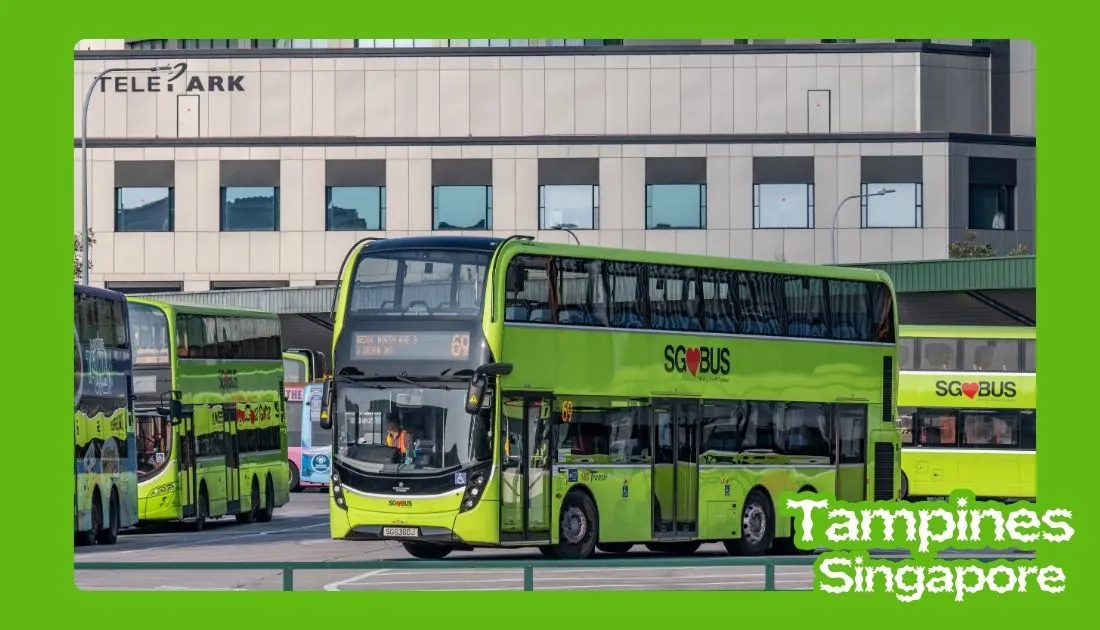
Tampines Bus Interchange hosts a comprehensive range of bus services, including local feeder buses, cross-town routes, and long-distance services. Key local routes connect Tampines to neighborhoods such as Bedok, Pasir Ris, and Simei, while longer routes reach the city center, Changi Airport, and northern towns. Buses operate at frequent intervals during peak hours, with slightly reduced schedules during off-peak periods. 

Advanced bus scheduling and real-time tracking help manage high commuter volumes efficiently. The interchange also facilitates transfers to MRT services and nearby commercial hubs. Collectively, these services make Tampines a central transport node, ensuring accessibility, convenience, and reliability for commuters traveling within Tampines or to other regions of Singapore.

Popular Bus Routes From Tampines Interchange

Popular Bus Routes From Tampines Interchange​

To Changi Airport & Changi Village

 Direct bus routes from Tampines Bus Interchange provide convenient access to Changi Airport and Changi Village, serving both travelers and airport employees. Services to Changi Airport operate daily from early morning until late at night, aligning with flight schedules and ensuring dependable connections for passengers catching red-eye or early departures.

These routes offer comfortable rides with designated stops near airport terminals, reducing the need for multiple transfers. Meanwhile, buses to Changi Village are popular among residents and visitors heading to the coastal area for dining and leisure activities. The journey passes through scenic eastern neighborhoods, parks, and waterfront areas, offering a pleasant commute. Seamless integration with MRT services at Tampines allows commuters from other parts of Singapore to transfer easily to these bus routes. Together, these services ensure efficient, reliable, and well-coordinated connectivity between Tampines and Singapore’s eastern gateway destinations.

To IKEA Tampines

IKEA Tampines is conveniently accessible from Tampines Bus Interchange through several direct bus services. These buses stop close to the retail complex, making the journey easy for shoppers carrying purchases or traveling with family members. The short travel distance from the interchange ensures a quick and hassle-free trip. During weekends and public holidays, when visitor numbers typically increase, bus frequencies are adjusted to manage higher passenger demand.

Clear signage and sheltered walkways near bus stops enhance comfort and safety for commuters heading to the store. Additionally, the interchange’s proximity to MRT stations allows seamless transfers for those coming from other parts of Singapore. This integrated connectivity supports a smooth shopping experience, whether visitors are purchasing furniture, dining at the in-store restaurant, or exploring nearby retail outlets. Overall, public transport offers a practical and efficient option for reaching IKEA Tampines.

To Punggol, Sengkang & Woodlands 

Long-distance bus services from Tampines Bus Interchange connect commuters to northern towns such as Punggol, Sengkang, and Woodlands. These cross-regional routes are widely used by residents, students, and working professionals traveling between eastern and northern Singapore.

Services typically operate throughout the day, with increased frequency during peak commuting hours to accommodate higher passenger volumes. The routes are carefully planned to balance efficiency and coverage, passing through major residential estates and transport nodes. Commuters benefit from comfortable buses and relatively direct journeys that minimize the need for multiple transfers. Integration with MRT stations along the way further enhances flexibility, allowing passengers to switch between bus and rail networks smoothly. By linking Tampines to key northern hubs, these services strengthen connectivity across Singapore and provide reliable alternatives for daily travel, education commutes, and cross-town work trips.

To Ang Mo Kio & Bedok

Bus routes from Tampines Bus Interchange also provide efficient connections to central and eastern towns such as Ang Mo Kio and Bedok. These services play an important role in supporting daily commuting patterns for office workers, students, and residents running errands. During weekday peak hours, buses operate at shorter intervals to reduce waiting times and ease passenger flow.

Off-peak services remain consistent, ensuring accessibility throughout the day. Routes linking to Ang Mo Kio pass through key residential districts and commercial areas, while services to Bedok offer quick access to another major eastern hub. Integration with MRT stations along these routes allows seamless transfers, improving travel flexibility and reducing overall journey times. Together, these bus connections enhance regional mobility, making Tampines Interchange a strategic gateway that efficiently links eastern Singapore with both central and neighboring residential towns.

Tampines Interchange Map & Layout

The layout of Tampines Bus Interchange is designed for smooth pedestrian and bus flow. Multiple berths are arranged to separate local and long-distance buses, reducing congestion. Clear signage directs commuters to boarding points, ticket offices, exits, and amenities.

Pedestrian pathways connect the interchange to Tampines MRT Station and nearby shopping centers. Key services, such as passenger assistance counters, restrooms, and ticketing offices, are centrally located for easy access. Separate entry and exit points manage bus flow efficiently, while sheltered waiting areas enhance commuter comfort.

The layout supports safe, efficient, and intuitive movement for both buses and passengers, ensuring seamless transfers between different transport modes and minimizing confusion even during peak hours.

Food Options at Tampines Interchange

Food Options at Tampines Interchange​

Tampines Interchange offers a variety of food options for commuters. Food courts and quick-bite stalls provide convenient meals for people on the go. Popular brands like Koufu, McDonald’s, and bakery outlets are available, offering everything from fast food to traditional local fare.

Quick meal options include sandwiches, pastries, and beverages suitable for short breaks. The integration of eateries within or adjacent to the interchange ensures that commuters can access food without leaving the premises. These options cater to diverse tastes, dietary preferences, and time constraints, making Tampines Interchange a convenient location for meals during daily commutes or shopping trips.

Shops & Essential Services

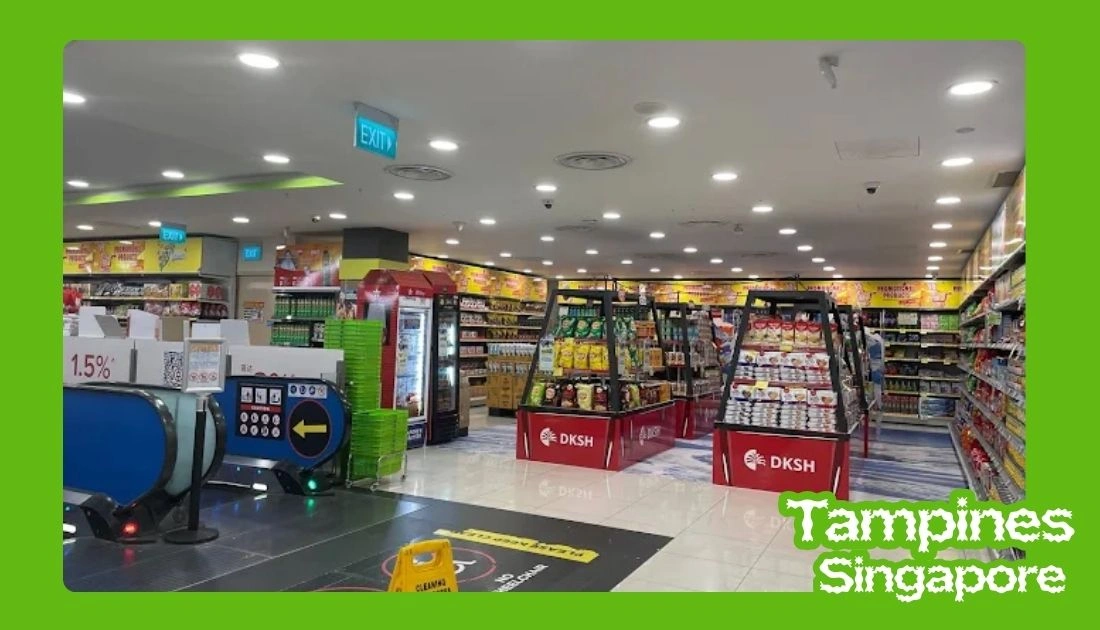
Tampines Interchange houses several shops and essential services catering to commuters’ daily needs. Printing and photo shops offer document-related services, while money changers and pawn shops provide financial assistance. Passenger assistance counters handle inquiries, ticketing, and guidance. A general contact number and hotline are available for reporting issues or emergencies. 

The lost and found service manages lost items efficiently, ensuring a reliable process for retrieval. Ticket offices allow commuters to purchase or reload travel cards and obtain route information. These services are conveniently located within the interchange, ensuring accessibility and minimizing commuter inconvenience. By providing a combination of retail, financial, and assistance services, Tampines Bus Interchange enhances the overall commuting experience, making it a functional and user-friendly transport hub.

Important Things to Know

Commuters should be aware of peak hours at Tampines Interchange, typically between 7:00–9:30 AM and 5:00–7:30 PM, to plan travel efficiently and avoid congestion. Last bus timings vary by route, so checking schedules in advance is recommended. Weather considerations, such as rain, can affect bus schedules, but sheltered waiting areas provide some protection. 

Clear signage and maps assist in navigation, while passenger assistance counters can provide real-time updates and support. Commuters should also be aware of temporary reroutes during construction or special events. Planning ahead ensures a smoother commuting experience, minimizing waiting times and improving overall convenience. Awareness of these factors helps maintain efficiency and comfort when using Tampines Bus Interchange.

Frequently Asked Questions

How many bus interchanges are there in Tampines?

There are three main interchanges: Main, Tampines North, and Tampines Concourse.

What buses operate from Tampines Interchange?

The interchange serves local feeder buses, cross-town routes, and long-distance services connecting Tampines to various parts of Singapore.


Where is Tampines Bus Interchange located?

It is located in the town center, adjacent to Tampines MRT Station.


What food options are available at Tampines Interchange?

Food courts, quick-bite stalls, Koufu, McDonald’s, and bakery outlets are available.


How do I contact Tampines Bus Interchange lost and found?

You can approach the passenger assistance counter or call the hotline for lost items.

Conclusion

Tampines Bus Interchange is a cornerstone of public transport in eastern Singapore, providing seamless connectivity for thousands of commuters daily. With its strategic location in the heart of Tampines, the interchange integrates local and long-distance bus services, MRT links, and nearby shopping amenities, making it both a transport hub and a community center. Its modern architecture, including the iconic cupola structure, enhances the commuter experience while accommodating high volumes of traffic efficiently. 

Multiple interchanges, such as Tampines North and Tampines Concourse, ensure smooth operations and minimize congestion. Amenities such as food courts, essential shops, and passenger assistance services further improve convenience and accessibility. By balancing functionality, comfort, and efficiency, Tampines Bus Interchange exemplifies Singapore’s commitment to reliable and commuter-friendly public transport. For daily travelers and occasional visitors alike, it serves as a model for urban transit hubs, blending practicality with modern design and operational excellence.