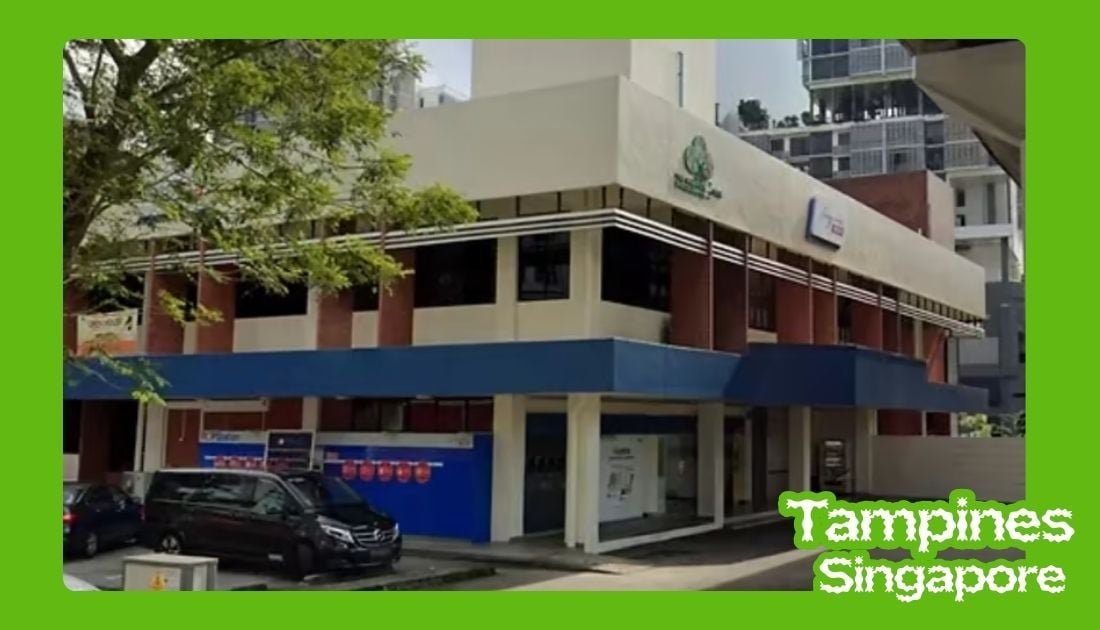
Tampines is one of Singapore’s largest residential towns, offering a wide range of quality preschools for families. With its well-planned neighborhoods and strong community infrastructure, Tampines has become a popular choice for parents seeking reliable early childhood education. From government-supported centers to private and international preschools, parents can choose programs that best match their child’s learning style and family needs.
Preschools in Tampines focus on building strong foundations in literacy, numeracy, social skills, and emotional development. Many centers provide modern classrooms, safe play environments, and enrichment programs such as music, art, and STEM activities. Conveniently located near MRT stations, shopping malls, and residential blocks, these preschools ensure accessibility for working parents. Whether you are looking for a structured academic approach or a play-based curriculum, Tampines offers diverse preschool options to support your child’s early learning journey.
Preschool plays a crucial role in shaping a child’s early cognitive, emotional, and social development. Between the ages of two and six, children experience rapid brain growth, making early education especially impactful. A quality preschool environment nurtures curiosity, language development, problem-solving skills, and creativity.
Through guided play and structured activities, children learn to communicate, cooperate, and manage emotions. They develop independence by completing small tasks and following simple routines. Exposure to group settings also teaches sharing, empathy, and teamwork.
In addition, early exposure to numbers, letters, and storytelling strengthens foundational literacy and numeracy skills. These early experiences build confidence and readiness for more formal education. Preschool also helps children adapt to structured environments, making the transition to primary school smoother and less stressful.
Role of Preschools in Preparing Children for Primary School
Preschools in Tampines are designed to bridge the gap between home learning and primary education. They introduce structured routines, classroom rules, and basic academic concepts that mirror primary school expectations.
Children learn phonics, early writing skills, counting, and simple problem-solving exercises. Teachers focus on attention span, listening skills, and the ability to follow instructions—critical skills for Primary 1. Social readiness is equally important. Children practice teamwork, patience, and respectful communication with peers and adults.
Many preschools also conduct school-readiness programs during the final kindergarten year (K2), ensuring children are emotionally and academically prepared. By the time they graduate, most children are comfortable with classroom settings and possess the foundational skills needed to succeed in primary school.
Typical Age Groups
Preschools in Tampines generally serve children aged 2 to 6 years. Programs are typically divided into:
Playgroup (2–3 years)
Nursery (3–4 years)
Kindergarten 1 (K1, 4–5 years)
Kindergarten 2 (K2, 5–6 years)
Each level focuses on age-appropriate developmental milestones. Younger children engage in sensory and motor skill activities, while older groups gradually build literacy, numeracy, and social independence skills.
Curriculum Highlights
Preschools in Tampines offer diverse curriculum models to suit different learning philosophies. Many centers adopt play-based learning, where children explore concepts through hands-on activities and guided discovery.
Montessori programs emphasize independence, self-directed learning, and practical life skills. Some private centers incorporate Reggio Emilia-inspired approaches, focusing on creativity, project-based learning, and collaboration.
Bilingual education is common, with English and Mandarin integrated into daily lessons. Enrichment programs such as phonics, storytelling, music, coding basics, and STEM activities are also offered.
The curriculum typically balances academic preparation with character development, ensuring holistic growth.
Benefits of Early Childhood Education
Early childhood education promotes long-term academic success and emotional resilience. Children who attend preschool often demonstrate better language skills, stronger social confidence, and improved adaptability in formal schooling environments.
Preschool encourages routine, responsibility, and time management at an early age. Children learn to express themselves clearly and handle minor challenges independently.
Social interaction with peers builds empathy and communication skills. Physical activities enhance coordination and overall health. Exposure to structured learning also fosters curiosity and lifelong learning habits.
Overall, preschool education in Tampines provides a supportive and stimulating environment that prepares children for both academic and personal growth.
Types of Preschools in Tampines
PAP Preschools
The PAP Community Foundation (PCF) operates a network of government-supported preschools across Singapore, including multiple branches in Tampines. These preschools aim to provide affordable, high-quality early childhood education, ensuring that every child has a strong start in their learning journey.
Overview
PAP preschools emphasize bilingual education, nurturing both English and Mother Tongue proficiency from an early age. Alongside language skills, the curriculum focuses on character development, social-emotional growth, and school readiness, equipping children with foundational skills for primary education. The structured programs are aligned with national early childhood frameworks, ensuring consistency and quality in teaching methods.
Admission Process
Parents can register their children online via the PCF website, with enrollment depending on availability and age eligibility. Priority is often given to Singapore citizens and residents living within the constituency, making it easier for local families to access these educational opportunities.
Tuition & Subsidies
PAP preschools are more affordable than private options, making them accessible to a wider range of families. Eligible households can also apply for government subsidies through schemes managed by the Early Childhood Development Agency (ECDA), which can significantly reduce monthly fees. This combination of quality education and financial support makes PAP preschools a popular choice among Tampines families seeking a strong early start for their children.
Private Preschools
Private preschools in Tampines cater to families seeking diverse educational approaches and enhanced facilities. These centers include both local and international preschools, each offering unique programs to suit different learning needs.
International preschools often follow globally recognized curricula, such as the International Baccalaureate (IB) or British frameworks, providing strong English immersion and exposure to international teaching standards. Local private centers, on the other hand, typically integrate bilingual education with enrichment activities, balancing language development and holistic growth.
Curriculum approaches vary widely. Some schools adopt Montessori methods, emphasizing self-directed learning, while others follow play-based or inquiry-based learning strategies that encourage creativity and critical thinking. Reggio Emilia-inspired programs focus on child-led exploration and collaborative projects. Class sizes are generally smaller than public options, allowing for personalized attention. Many facilities also offer indoor gyms, themed classrooms, art and music studios, and enrichment labs to enhance learning experiences.
Tuition at private preschools is higher than PAP centers, reflecting the specialized programs, resources, and facilities available. Many centers also provide extended hours, flexible schedules, and before- or after-school enrichment programs, catering to working parents. With their variety of curricula and enriched learning environments, private preschools remain a popular choice for families seeking tailored educational experiences in Tampines.
List of Preschools in Tampines
Tampines hosts several private preschools that offer diverse educational approaches, facilities, and enrichment programs for young learners. Parents can choose based on teaching philosophy, curriculum focus, and campus environment.
Nurture Infant House is well-regarded for its experienced teachers and dedicated infant care services. Contact: +65 9666 4141.
MindChamps PreSchool @ Tampines Point offers a research-based curriculum emphasizing literacy, cognitive development, and school readiness. Contact: +65 6260 0531.
Josiah Montessori (Tampines) provides Montessori-based learning and has been serving families for over 25 years. Contact: +65 6260 1312.
ELFA Preschool @ Tampines combines a bilingual curriculum with enrichment programs to promote both language and holistic development. Contact: +65 6786 4484.
GUG Preschool @ Tampines HQ (by Growing Up Gifted) emphasizes early literacy and right-brain development, fostering creativity alongside foundational skills. Contact: +65 8748 8417.
Star Learners @ Tampines West focuses on childcare with a nurturing environment, supporting working parents with flexible hours. Contact: +65 6250 0173.
Families are encouraged to visit the campuses, speak with teachers, and compare facilities, teaching styles, and fees before making enrollment decisions. By exploring these options, parents can select a preschool that aligns with their child’s learning needs, personality, and family schedule, ensuring a strong start to their early education journey.
Admission & Enrollment Process
Most preschools in Tampines accept children from 18 months or 2 years onward. Registration can be done online or in person.
Documents Required:
Child’s birth certificate
Proof of residence
Immunization records
Parents’ identification documents
Enrollment periods vary. Popular centers may have waiting lists, so early registration is recommended.
Tips for First-Time Parents:
Visit multiple centers before deciding.
Observe teacher-child interaction.
Ask about daily schedules and assessment methods.
Check for government subsidy eligibility.
Starting early helps secure placement in preferred preschools.
Facilities & Programs
Preschools in Tampines provide modern classrooms, safe play areas, and enrichment facilities to support holistic development.
Classrooms and Play Areas
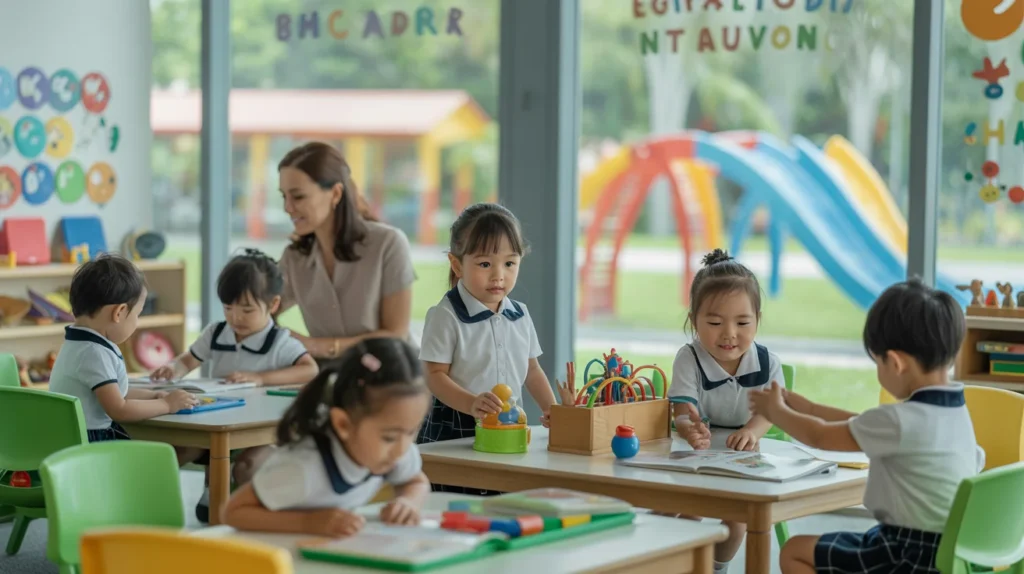
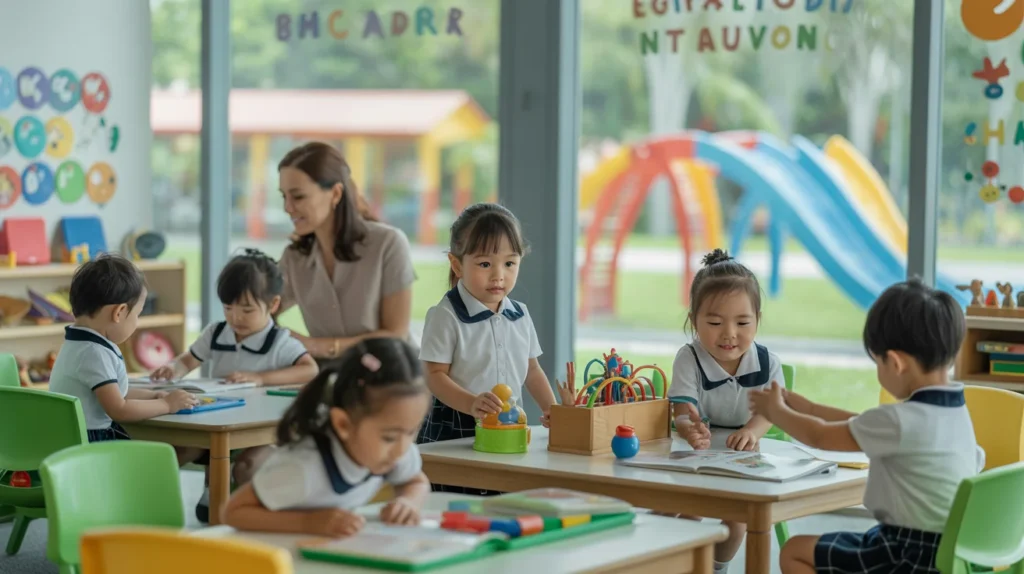
Preschools in Tampines are designed to provide a safe, stimulating, and child-friendly environment. Classrooms are bright, well-ventilated, and organized, featuring child-sized furniture and materials that encourage independence and hands-on learning. Many centers use learning corners or thematic stations, where children can explore reading, science, imaginative play, or sensory activities. Indoor play areas are available for gross motor development, ensuring children remain active even during inclement weather. Safety is a priority, with cushioned flooring, rounded furniture edges, and secure storage for materials.
Classrooms are often arranged to support small group interactions, fostering collaboration, communication, and social skills. Teachers guide children through structured activities while allowing child-led exploration, helping them develop curiosity and confidence. The combination of organized learning spaces and safe play areas ensures that children can engage in educational, physical, and social activities in a secure and nurturing environment, preparing them for future schooling.
Outdoor and Indoor Activities
Preschools in Tampines provide a balanced mix of outdoor and indoor activities that support physical, social, and cognitive development. Outdoor playgrounds are equipped with slides, climbing frames, swings, and soft-surface flooring, promoting gross motor skills, balance, and coordination. Outdoor sessions also encourage teamwork, sharing, and communication during group games. Indoor activities are equally varied, including storytelling sessions, arts and crafts, dramatic play, and music activities, which stimulate creativity and imagination.
Small-group games and cooperative projects help children develop social skills, patience, and problem-solving abilities. Teachers often rotate activities to provide multisensory learning experiences, combining movement, art, music, and cognitive tasks. Seasonal or thematic projects are incorporated, allowing children to explore nature, culture, and science concepts. By balancing indoor and outdoor learning, preschools ensure children receive physical exercise, creative expression, and intellectual stimulation, creating an environment that supports holistic early childhood development.
Meals and Nutrition Programs
Many Tampines preschools offer balanced meals and snacks prepared in accordance with nutritional guidelines to support growing children. Menus are designed to provide the right mix of carbohydrates, protein, vitamins, and minerals, often incorporating fresh fruits, vegetables, and whole grains. Meals are served in child-friendly portions, encouraging healthy eating habits and independence. Some centers offer special dietary accommodations for children with allergies, religious requirements, or medical needs, ensuring that every child’s nutritional needs are met safely.
Teachers may also use mealtime as a learning opportunity, teaching table manners, social skills, and self-service routines. Regular hydration is emphasized, with water stations accessible throughout the day. Some preschools supplement meals with nutrition-themed lessons, helping children understand the importance of healthy choices. By providing nutritious meals in a supportive environment, preschools in Tampines help children build strong foundations for growth, energy, and lifelong healthy habits.
Special Programs (Music, Art, STEM)
Tampines preschools offer a variety of enrichment programs designed to enhance creativity, critical thinking, and problem-solving skills. Music classes introduce children to rhythm, melody, and movement, improving auditory and motor coordination. Art programs encourage self-expression through painting, drawing, and crafts, helping children explore color, texture, and design. STEM-focused activities, such as simple science experiments, robotics basics, and hands-on engineering tasks, foster curiosity, logical reasoning, and observational skills.
Phonics and literacy programs strengthen language development and early reading abilities, while collaborative projects develop teamwork and communication skills. Many centers also integrate thematic workshops that combine art, music, and STEM concepts, creating multidisciplinary learning experiences. These programs are usually age-appropriate, allowing children to progress at their own pace while exploring new concepts. By offering diverse enrichment activities, Tampines preschools provide children with a well-rounded education that nurtures imagination, critical thinking, and a love for learning from an early age.
Parent Tips Before Visiting a Preschool
Schedule a School Tour: Visit the campus in person to get a feel of the environment, observe classroom layouts, and see how children interact with teachers.
Ask About Curriculum: Inquire about the learning approach, daily routines, subjects covered, and enrichment programs.
Check Class Size: Smaller classes often allow more personalized attention and better teacher-student interaction.
Observe Safety Measures: Look for secure entry points, child-proofed classrooms, safe playground equipment, and emergency procedures.
Assess Hygiene and Cleanliness: Check that classrooms, play areas, restrooms, and dining spaces are clean and well-maintained.
Verify Staff Qualifications: Ask about teacher training, certifications, and experience with early childhood education.
Discuss Emergency Protocols: Understand procedures for medical emergencies, fire drills, and evacuation plans.
Prepare Your Child: Talk positively about school, practice simple routines like packing a bag, following instructions, and self-care habits.
Smooth Transition: Gradually introduce your child to the school environment to reduce anxiety during the first few weeks.
Frequently Asked Questions
What is the best preschool in Tampines?
The best preschool depends on your budget, preferred curriculum, and child’s needs.
How do I register my child at a PAP preschool in Tampines?
Register online through the PAP Community Foundation website.
Are preschools in Tampines open on weekends?
Most operate Monday to Friday; weekend classes are rare.
How much does preschool cost in Tampines?
Fees vary from subsidized PAP rates to higher private school fees.
What age should my child start preschool in Tampines?
Most children start between 2 and 3 years old.
Conclusion
Preschools in Tampines provide a strong foundation for early childhood development through diverse curricula, qualified educators, and supportive learning environments. From affordable PAP centers to specialized private institutions, parents have multiple options to choose from.
These preschools not only prepare children academically but also nurture social confidence, independence, and creativity. Convenient locations and accessible public transport further enhance their appeal.
By carefully evaluating curriculum, facilities, and teacher engagement, parents can find a preschool that aligns with their child’s needs. Investing in quality early childhood education in Tampines ensures children are well-prepared for primary school and future success.