

Tampines Greenvines | Prices, Floor Plans & My Experience
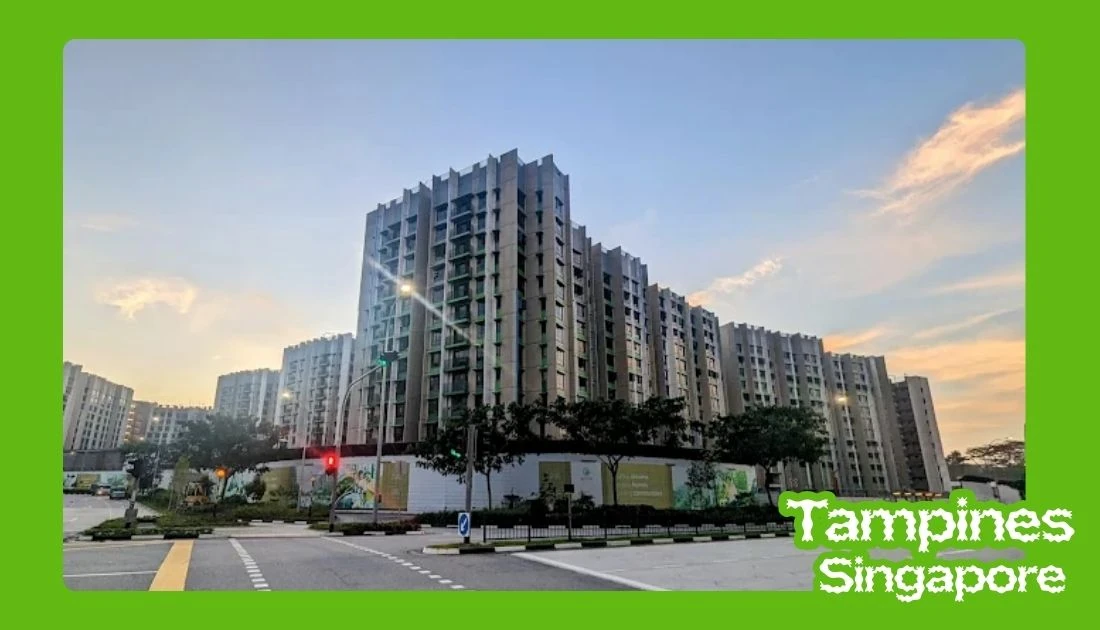
When I first started looking into Tampines Greenvines, I was mainly interested in understanding what the development would actually feel like as a place to live rather than simply looking at its BTO launch information. Confirmed specifics worth starting with: this was launched during the May 2018 BTO sales exercise, part of a cluster of developments sandwiched between the TPE and Tampines Avenue 9. It’s a genuinely large project, 1,271 units of 3-, 4-, and 5-room flats spread across 11 residential blocks.
My First Impression
Tampines Greenvines makes more sense to me when I look at it as part of the wider Tampines residential environment rather than as an isolated BTO project. One detail I found genuinely appealing: it’s situated at the corner of its BTO cluster, so it isn’t entirely surrounded by residential housing, and it sits right across the road from Tampines Eco Green, meaning certain units can enjoy a genuine park view rather than facing other blocks.
Floor Plans and Layout Options

The floor plans were one of the areas I paid the most attention to, since this is where the development becomes much more practical from a homeowner’s perspective. Different households naturally have different requirements, a smaller household may be perfectly comfortable with a 3-room flat, while families may prefer the additional bedrooms and living space in larger configurations.
What I personally look for in a floor plan is not just the total square metre figure. I look at how easily I can move between the living room, dining area, and kitchen, whether the bedrooms feel sufficiently separated, where the service yard is positioned, and whether there’s enough usable wall space for furniture. Those small details can make a surprisingly large difference once the flat is actually furnished.
3-Room, 4-Room, and 5-Room Layouts
For a 3-room layout, I’d think primarily about whether the available living and bedroom space is enough for my long-term plans. For a 4-room flat, I’d pay more attention to the additional flexibility, the extra room can become a bedroom, home office, study, or storage area depending on the household. The 5-room option naturally gives a family more room to work with, particularly useful for larger households or anyone expecting to spend a lot of time at home. For me, the important thing isn’t simply choosing the largest floor plan, I’d rather choose a layout where the available space is genuinely usable.
What I Look For in Unit Size
Two flats with similar floor areas can feel very different depending on the shape of the rooms, corridor space, kitchen configuration, and placement of structural walls. I’d compare living and dining area proportions, bedroom sizes, kitchen arrangement, service yard position, bathroom locations, storage opportunities, window placement, and overall movement through the flat. For me, an efficient layout can sometimes feel more spacious than a larger flat with awkwardly distributed space.
Balcony and Service-Yard Configurations
I like having laundry and household chores separated from the main living area, it keeps the kitchen and living space looking more organised. Where layouts include additional outdoor or extended spaces, I’d look carefully at how those areas actually connect to the interior, I wouldn’t choose a unit simply because an image makes the balcony or window area look attractive, I’d check the exact floor plan and stack information first, since configurations can differ between units.
How I Read the Floor Plan
When I compare floor plans, I usually imagine the furniture inside the flat, where I’d put the sofa, dining table, television, beds, and storage cabinets. This gives me a much better idea of whether the layout works than simply looking at the number of bedrooms. I also pay attention to the entrance, if the front door opens directly towards a busy part of the living space, that can affect how I’d arrange furniture and storage.
Site Plan and Block Orientation
Rather than looking at every block individually, I first try to understand the overall relationship between the blocks, common areas, roads, and surrounding developments. Block orientation matters because the direction a unit faces can influence views, sunlight, privacy, and potentially airflow. Some stacks may face internal landscaped areas or, notably here, Tampines Eco Green itself, while others can have views towards roads or neighbouring blocks. I’d personally compare several stacks rather than deciding on a unit simply because it’s on a higher floor.
Stack Positioning
A higher-floor unit may provide a wider view, but I’d still check what it actually faces, direct-facing neighbouring blocks, road exposure, internal greenery, possible noise sources, afternoon sun, privacy, and distance from communal facilities or the car park. For me, there isn’t one universally perfect stack, it depends on what I value most in a home.
Facilities and Landscaping
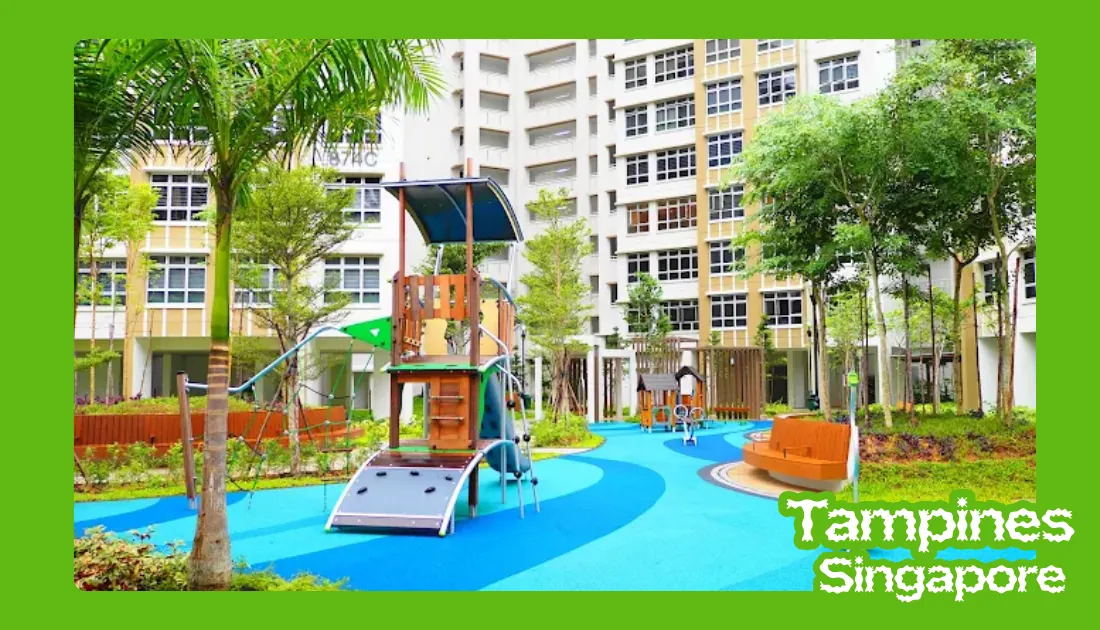
I like housing estates where residents have practical outdoor spaces rather than simply blocks of flats surrounded by roads. Playgrounds can be particularly useful for families with young children, while fitness areas and sheltered walkways make the estate more usable for adults. I also pay attention to how pedestrian paths connect the different parts of the development, a sheltered route becomes much more valuable in Singapore when walking between block, transport links, and other facilities during heavy rain.
3D Model and Project Visualisation
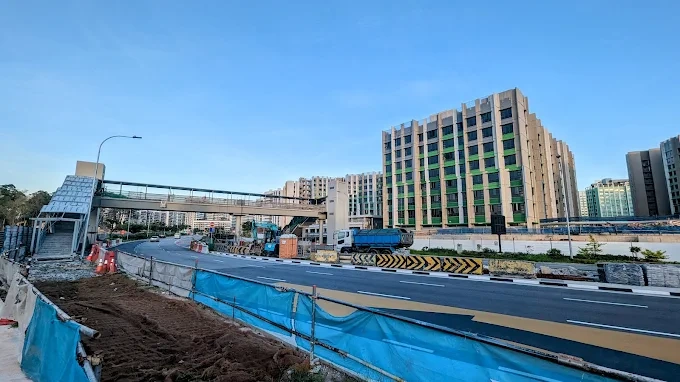
The digital renders provide a different perspective from the technical floor plans, helping me understand what the wider development is intended to look like, distance between blocks, landscaping, communal areas, and the relationship between residential buildings and pedestrian paths. However, I’d treat artistic impressions as a planning reference rather than assuming every visual detail will look exactly the same after completion. For me, the official site plan and floor plan remain more important when comparing individual units.
Getting There
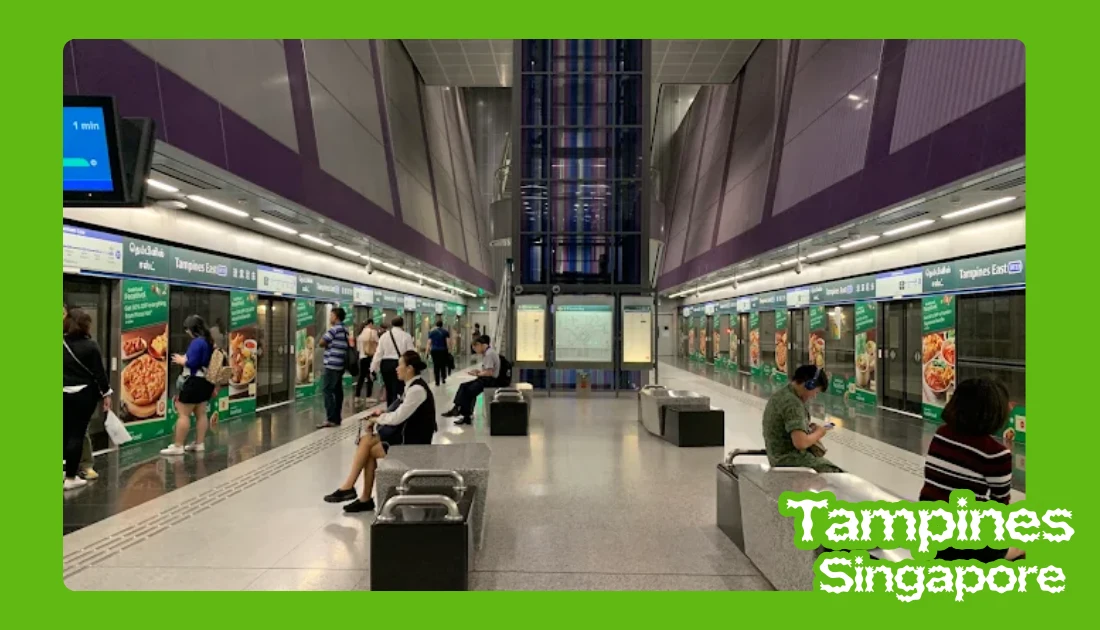
Transport is genuinely one of the trickier parts of this specific location. There are three bus stops confirmed around the site, two along Tampines Street 62 and one along Tampines Avenue 12, though routes can change as the surrounding area develops. The nearest MRT stations, Pasir Ris and Tampines, take roughly 30 minutes on foot, though new paths may open in future to shorten that walking distance. The development is also right next to the TPE, which leads directly to the eastern side of Singapore for drivers.
Nearby Amenities
The nearest amenities are within Tampines GreenCourt, a BTO launched in November 2017, right beside Tampines Greenvines, roughly five to ten minutes on foot. Beyond that, the wider Tampines town already has established shopping, schools, food, and community facilities, so I can think about the home itself and the surrounding neighbourhood separately, the flat needs to work internally, but the surrounding environment also needs to suit everyday life.
Pricing and BTO Launch Information
Price was naturally another major part of my research. For a BTO project, I’d always start with the official launch information rather than relying on property forums or social-media discussions, since the actual amount a buyer pays can depend on the flat type, unit selection, grants, and financing arrangements. I wouldn’t treat one quoted price as representative of every unit, a 3-room flat has a lower overall price because of its smaller size, while 4-room and 5-room options require a larger financial commitment.
For me, the important question isn’t simply how much the flat costs, I’d rather ask whether I can comfortably manage the purchase, monthly payments, renovation, and other household expenses. That gives a more realistic picture of affordability than the launch price alone.
Resale Potential
Resale is something I’d think about, but I wouldn’t base my entire decision around it. Tampines is a mature town with established transport, shopping, education, and community infrastructure, so the wider location is certainly worth considering for future demand. At the same time, future resale prices aren’t something I’d treat as guaranteed, market conditions, remaining lease, unit condition, floor level, and stack orientation can all affect how a particular flat performs. For me, the first priority would be finding a home that works for my household.
Understanding SBF
I also think it’s important to separate BTO from SBF when researching a project like this. Sale of Balance Flats gives eligible buyers a chance to apply for flats that remain available from earlier exercises or have become available again, possibly with a shorter waiting period, though available locations, flat types, and completion status can vary, and buyers may have less choice compared to a newly launched BTO.
Construction Progress and TOP
Construction progress is something I’d continue checking after the initial application, since the estimated completion timeline affects existing rental arrangements, renovation budgeting, financing, and moving arrangements. TOP, or Temporary Occupation Permit, is granted once construction is completed and required inspections confirm the development meets regulatory and safety standards, I’d wait for official confirmation as the project approaches completion rather than making non-refundable arrangements too far in advance.
What I Look for in the Official Brochure
If seriously comparing units, the official HDB brochure would be one of the first resources I’d examine, site plan, floor plans, block numbers, stack positions, flat types, facility locations, surrounding roads, nearby developments, and project specifications. I find the brochure much more useful combined with the site plan rather than looking at floor plans in isolation.
Unit Orientation, Feng Shui, and Ventilation
I’d look at the direction of the unit, what the windows face, and how nearby blocks or roads affect the view, along with sunlight, a bright home can be pleasant, but strong afternoon sun may be an important consideration depending on window exposure. Some buyers also consider Feng Shui, entrance direction, kitchen position, and bedroom arrangement, I personally think the most useful approach is treating these as individual preferences alongside practical factors like privacy, sunlight, and noise, rather than assuming one stack automatically suits everyone. For ventilation, I’d check window placement and whether the layout allows air to move naturally, without assuming every higher-floor unit automatically has better airflow, the actual stack and surrounding blocks matter.
What Buyers Discuss in Forums
I find forum discussions useful for understanding what other buyers are thinking about, stack preferences, floor-plan layouts, construction progress, and pricing. But I wouldn’t use a forum comment as proof of an official project detail, if someone claims a particular stack has a certain view or that construction will finish on a specific date, I’d cross-check it against official information.
Things I Would Check Before Applying
I’d confirm my eligibility first, then work out a realistic budget including the downpayment, monthly loan payments, renovation, and other moving costs. After that, I’d compare available flat types and think about whether the chosen size still works several years into the future, along with the waiting period, a BTO isn’t simply a property purchase, it can affect where I live and how I manage my finances for several years.
My Personal Way of Comparing Units
I wouldn’t simply pick the highest floor. I’d compare in this order: floor plan, then stack position, facing, surrounding blocks, sunlight, noise, accessibility, and price. The floor plan comes first for me because changing the actual layout of a home is far more difficult than changing furniture.
A Note on How I Put This Together
The specific facts in this piece, the May 2018 launch, 1,271 units across 11 blocks, the position across from Tampines Eco Green, the roughly 30-minute walk to Pasir Ris or Tampines MRT, and the proximity to Tampines GreenCourt, come from detailed independent BTO site analysis rather than generic project description. Given the walking distance to MRT is genuinely longer here than at some other Tampines BTOs, I’d factor that specifically into any decision rather than assuming every Tampines development has equally convenient transport.
My Final Take
After going through the floor plans, site arrangement, pricing information, construction considerations, and unit-orientation factors, I think the most interesting part of Tampines Greenvines is how much there is to consider beyond the headline BTO price. The floor plan would matter to me because that’s what I’d live with every day. The stack and orientation would matter because they influence privacy, sunlight, and views, particularly given the genuine park-facing potential here. And the wider Tampines location would be an important part of my decision, though I’d weigh the longer walk to MRT honestly rather than glossing over it. My biggest takeaway is that anyone researching Tampines Greenvines should spend time comparing the actual floor plans, stack positions, official pricing, and latest HDB information, and specifically confirm current transport options, rather than relying on general descriptions of the project.