

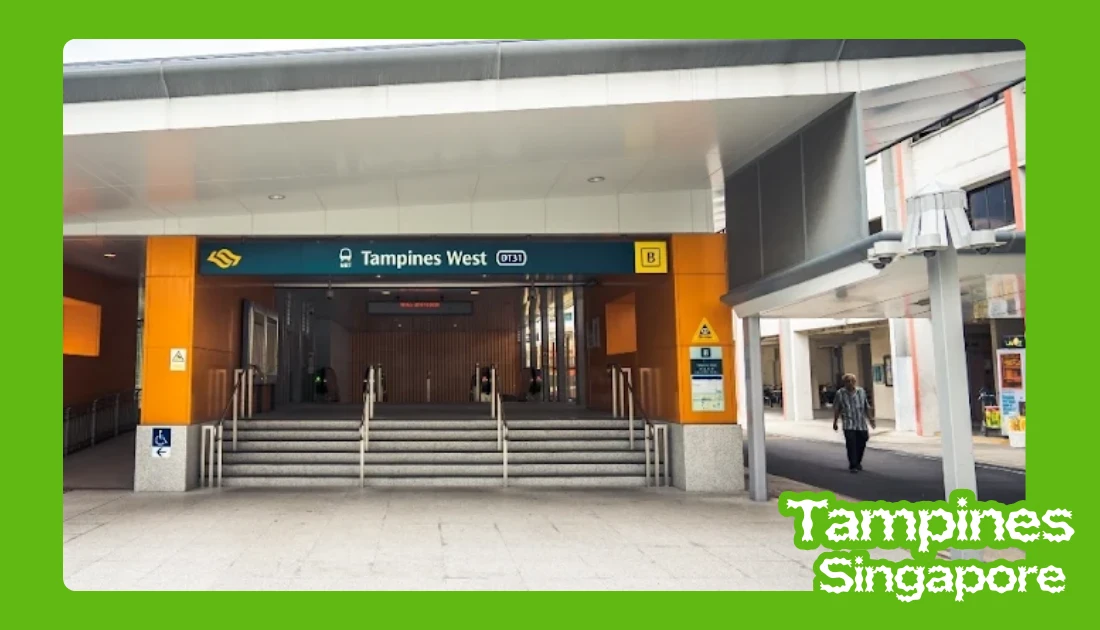
My Experience Tampines West MRT | DT31, Exits & Nearby
Tampines West MRT Station was one of the stations I wanted to explore properly rather than simply treating it as another stop on the Downtown Line. Once I spent time looking around the station and its surrounding neighbourhood, I found that its importance is really tied to the people who live, study and work around Tampines West.
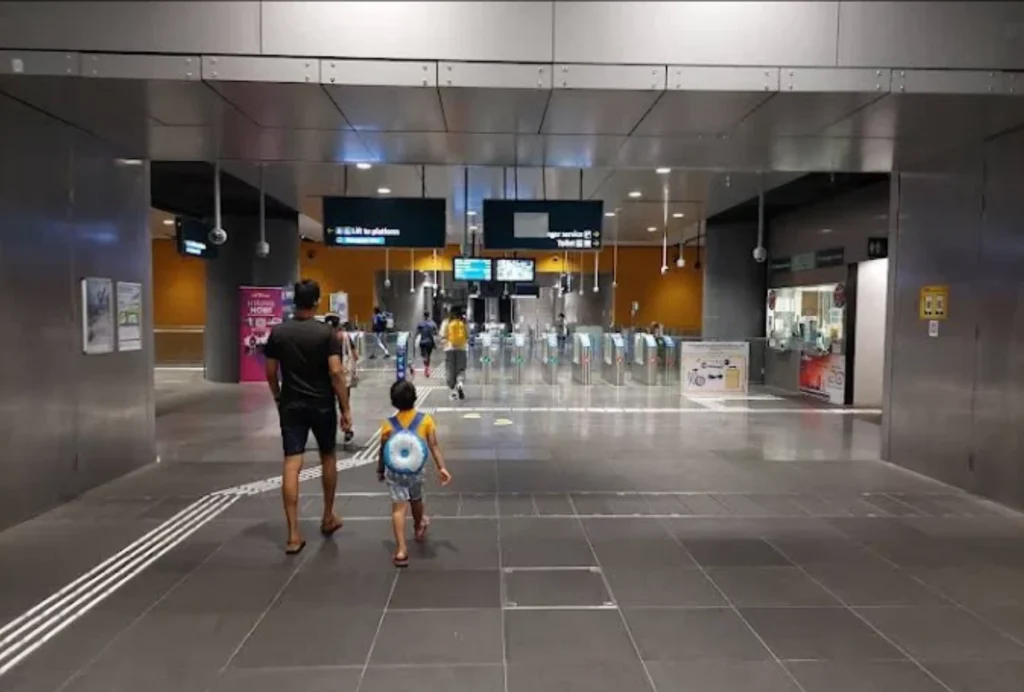
The station is DT31 on the Downtown Line, at 2 Tampines Avenue 4, Singapore 529683. It feels different from Tampines MRT because it’s much more of a neighbourhood station — less of that major-interchange feeling, and easier to understand once you know which direction you’re heading.
My First Impression
My first impression was that DT31 feels designed around local residents. I didn’t get the same busy interchange atmosphere I associate with larger MRT stations — instead, the station felt practical and straightforward, which I actually preferred when trying to figure out where to go.
Because the station is underground, the transition between street level and the MRT environment is quite different from an above-ground station. Once inside, the signage and general arrangement made it reasonably easy to work out where I needed to go, and the biggest advantage for me was simply knowing I could reach the Downtown Line without first making a separate journey to a larger interchange.
Where It Is and Who It Serves
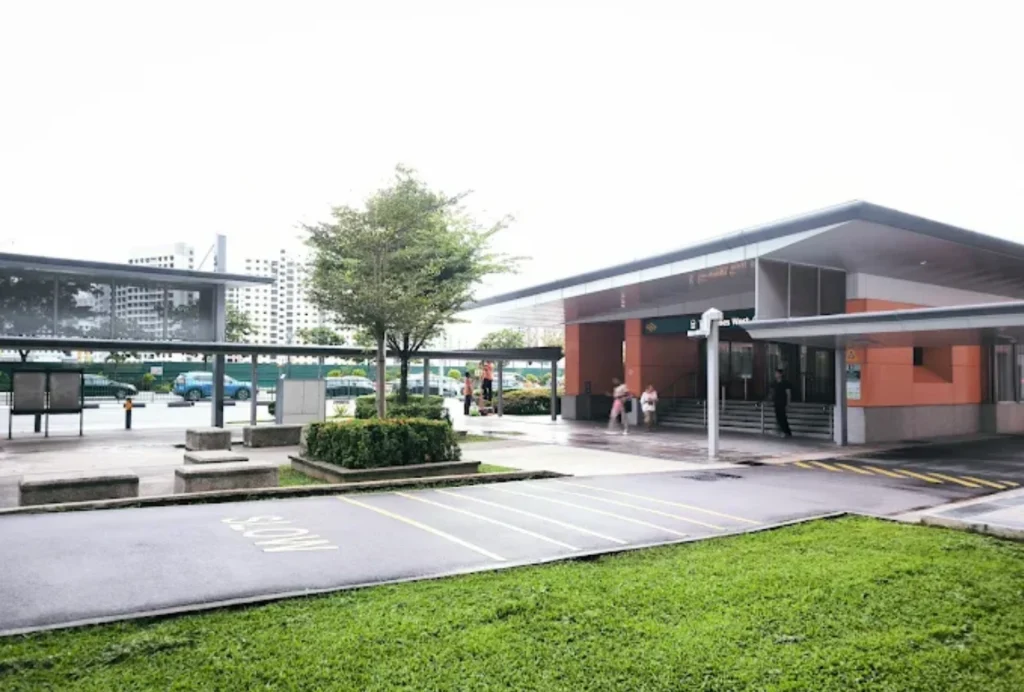
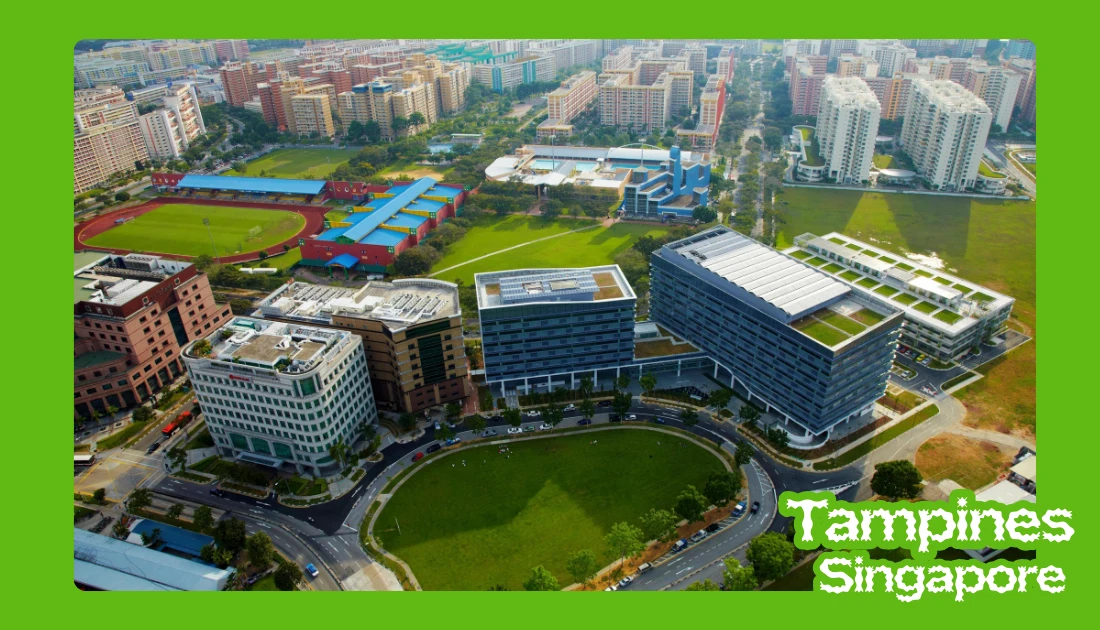
The station sits underneath Tampines Avenue 4, near the junction with Tampines Avenue 1. The residential character of the area is immediately noticeable — HDB estates, local roads, schools, and everyday amenities surrounding the station rather than a landscape dominated by major commercial buildings. Confirmed nearby institutions include Temasek Polytechnic and Junyuan Primary School, along with SAFRA Tampines and the Tampines Palmspring and Tampines Polyview residential estates.
For residents who live within walking distance, being able to walk from home to the station makes a genuine difference to the daily commute rather than relying on a feeder bus for that first leg of the journey.
The Downtown Line at DT31
What I appreciate about the Downtown Line here is how useful it is for travelling between different parts of Singapore without relying entirely on the older MRT routes. From Tampines West, trains run towards the eastern end of the line — through Tampines, Tampines East, and Upper Changi to Expo — or in the opposite direction towards Bukit Panjang. First trains run from around 5:45am on weekdays and Saturdays, a little later on Sundays and public holidays, with the last train towards Bukit Panjang around 11:49pm. I’d still check current timings directly before relying on them for an early or late journey.
The station effectively gives the western side of Tampines its own direct MRT connection, which matters more than it might sound — it means residents here don’t need to travel toward Tampines Central first just to access the Downtown Line.
The Station Layout
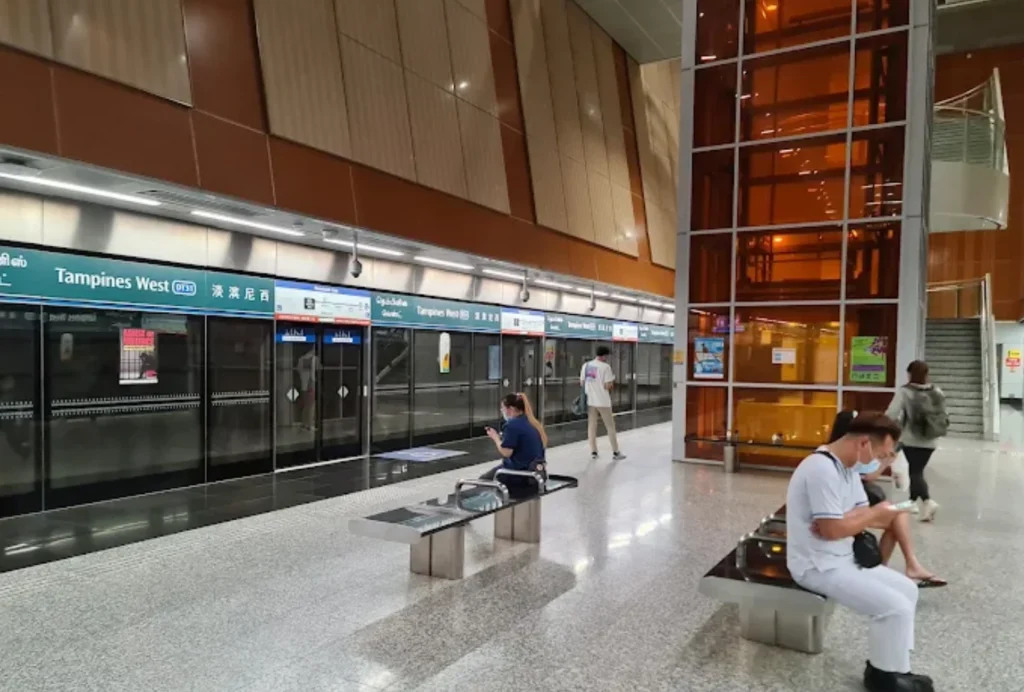
The underground layout was fairly straightforward once I got familiar with it — I found myself thinking of it in three basic stages: street level, then concourse, then platform. The concourse is where you deal with fare gates, ticketing machines, and signage before heading down to the trains. The platform uses a single island configuration, meaning one platform serves trains in both directions, so once you know your direction, you just need the correct side of that same platform.
What I liked was not feeling like I needed to wander around searching for basic facilities — the signage did most of the work. Still, for a first-time visit, I’d recommend checking the exit and destination before leaving the station, since that can save unnecessary walking once you’re back above ground.
Understanding the Station Exits
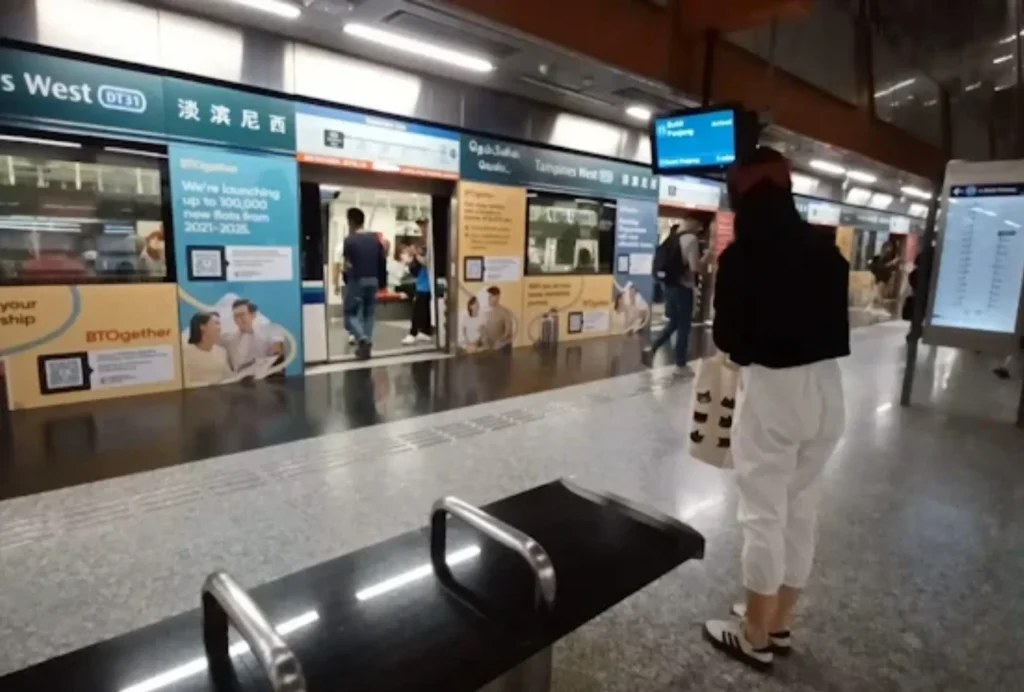
Here’s something worth correcting clearly: Tampines West MRT actually has two exits — A and B — not three. I want to flag this because earlier drafts of this piece described a third exit that doesn’t exist at this station.
Exit A
Exit A opens onto Tampines Avenue 4, useful for residents and visitors heading toward the HDB blocks and amenities on that side of the neighbourhood. It also has a taxi stand and pick-up/drop-off point.
Exit B
Exit B opens onto Tampines Avenue 1, serving a different stretch of the surrounding residential area, with its own taxi stand and drop-off point. A meaningful number of bus services connect through this exit specifically, making it the busier of the two for onward bus travel.
If I’m meeting someone near the station, I’d always agree on which of the two exits beforehand rather than assuming — it sounds like a small thing, but it makes meeting up considerably easier, especially since the two exits open onto genuinely different roads.
Accessibility
Tampines West has the barrier-free features I’d expect from a modern MRT station — lifts, escalators, staircases, and tactile guidance for passengers with visual impairments. I particularly value having lifts available, since there are situations where stairs simply aren’t practical — carrying luggage, travelling with children, or dealing with mobility limitations.
Passenger Facilities
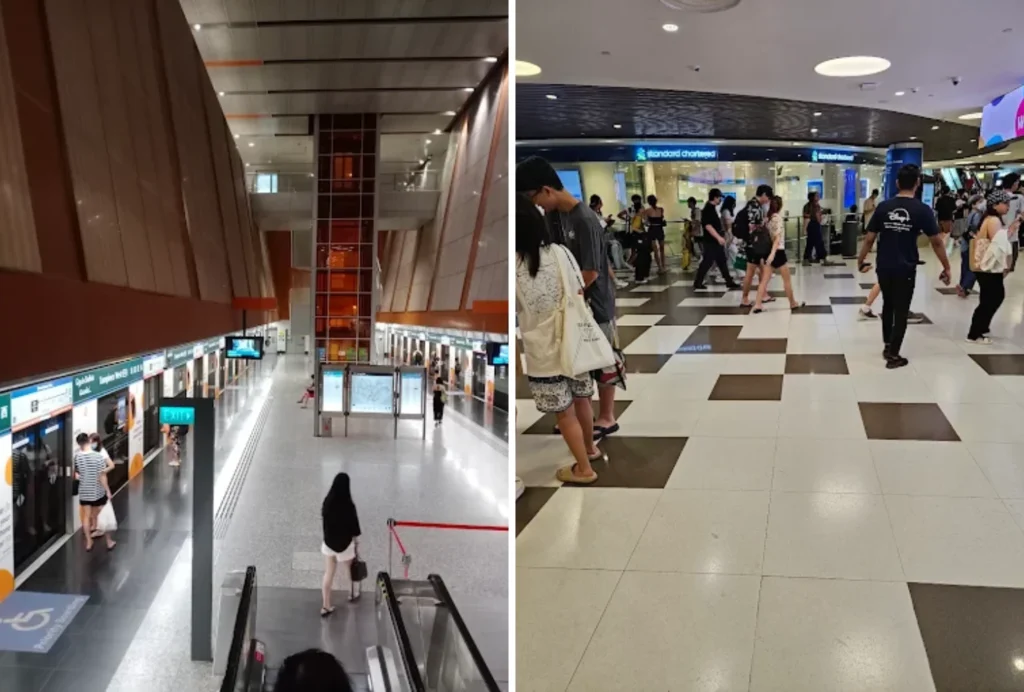
Tampines West is primarily a transport station, so I didn’t expect a shopping-centre atmosphere — and it doesn’t try to be one. What I found useful were the basics: fare gates and ticketing machines, passenger information and signage, lifts and escalators, platform information displays, and connections to the surrounding pedestrian network. For everyday commuting, those practical features matter more to me than a long list of extras.
Schools and Education Nearby
Based on what’s actually confirmed for this station, Temasek Polytechnic and Junyuan Primary School are the two educational institutions genuinely associated with Tampines West. I’d be cautious about assuming other schools are immediately accessible from here without checking the walking route directly — school catchment claims for MRT stations can get mixed up with nearby stations, and I’d rather send you to the two confirmed institutions than repeat a longer list I couldn’t independently verify.
Nearby Amenities
Instead of seeing DT31 as an isolated transport facility, it’s worth looking at what’s genuinely around it — residential blocks, neighbourhood shops, food options, and everyday services within the wider area. That means a trip to the MRT can double as an errand run, rather than the station being a destination purely for transit.
Food Around DT31
Tampines West has more of a residential dining atmosphere than the major mall clusters around central Tampines. I’d look toward nearby coffeeshops and neighbourhood eateries here rather than automatically travelling to Tampines Mall — it gives a better sense of how residents actually eat day to day rather than how visitors typically experience Tampines.
Bus Connections
Not every residential block or destination is directly beside the station, so buses fill that last-mile gap. Exit B in particular connects to a genuinely large number of bus services heading toward Tampines Avenue 1 and beyond. When my destination isn’t comfortably walkable, I’d check the bus connection rather than automatically taking a longer walking route — particularly useful for families and older passengers who may not want to walk far in Singapore’s heat or during heavy rain.
Getting to Tampines Interchange
Tampines Interchange remains the larger transport hub for the town, while Tampines West MRT serves a different, more residential part of the neighbourhood. If DT31 is closer to your starting point, you can use it directly and avoid an unnecessary detour toward the main interchange — the Downtown Line connects the two directly, so it’s a short ride rather than a separate journey.
Walking, Cycling and Last-Mile Options
Walking is the simplest way for nearby residents to use DT31, and the station makes the most sense when treated as part of the local pedestrian network rather than an isolated building. Cycling is useful for people living slightly further away, and ride-hailing is a reasonable option when carrying luggage, travelling with several people, or dealing with bad weather.
Peak Hours
I’d expect the station and trains to get busier during the morning and evening commute. My biggest personal tip is simply to give yourself a little extra time rather than rushing in, trying to identify the correct exit, and realising you’ve gone the wrong way. Regular commuters tend to learn which exit and route works best for their daily journey fairly quickly.
Weather Considerations
The MRT itself gives shelter underground, but the journey doesn’t end at the station entrance. If you’re walking to a residential block or nearby amenity afterward, rain can still affect that last stretch — I’d keep an umbrella handy, and during heavier rain, I’d consider a connecting bus rather than a longer walk.
What I’d Check Before Using DT31
- Confirm the station code (DT31) and the direction of the train you need
- Identify which of the two exits — A or B — is actually closest to your destination
- Check whether you need a bus or walking connection after leaving the station
- Check current service information if travelling during a busy period
A Note on How I Put This Together
I want to flag two corrections made against Singapore’s official transit reference sources: the station genuinely has two exits, not three, and the confirmed nearby schools are Temasek Polytechnic and Junyuan Primary School specifically, rather than the longer list that appeared in earlier drafts of this piece. I’d still recommend checking LTA’s own station information directly for anything time-sensitive, like current first and last train timings.
My Personal Take
What I like about Tampines West MRT is that it doesn’t try to be something it isn’t. It isn’t the huge interchange experience of central Tampines — it feels like a station designed around the people living in the surrounding estate. The residential setting, confirmed nearby institutions, local amenities, and bus connections all contribute to that, and the Downtown Line connection gives the western side of Tampines its own direct rail link toward other parts of Singapore.
My Final Thoughts
After spending time around Tampines West MRT, I see DT31 as much more than a station where you simply get on and off a train. Its real value comes from how it fits into everyday life around Tampines West — residents can walk to the station, students can use it as part of their journey to Temasek Polytechnic or Junyuan Primary, families can connect to buses, and commuters can travel along the Downtown Line without first heading to a larger interchange.
If you’re visiting Tampines West for the first time, my main advice is to check your destination and pick between the two exits — A for Tampines Avenue 4, B for Tampines Avenue 1 — before leaving the station. Once you know which side of the neighbourhood you need, DT31 becomes a straightforward and useful starting point for exploring this part of Tampines.